Volkswagen Could Reconfigure a Plant to Produce Iron Dome Components: What It Means for Europe and Ukraine
A German carmaker is in talks with Rafael to produce air-defense components in Osnabrück — it's not just about jobs, but about strengthening the European defense industry. We break down what is actually being planned and what questions this raises for Ukraine.

By Tetiana Suchkova-Ladik
March 25, 2026 · 2 min read
Switching production: not just business, but a security signal
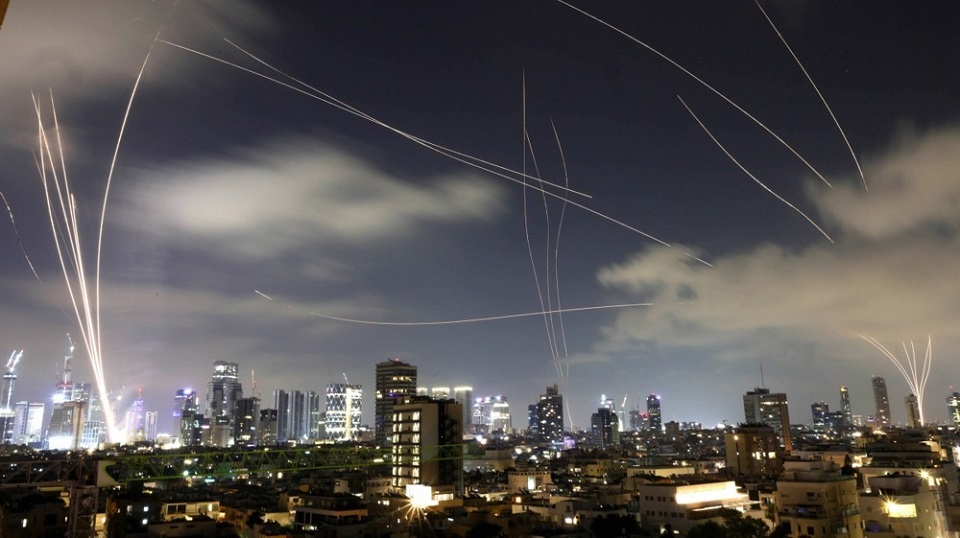
According to the Financial Times, Volkswagen is in talks with the Israeli company Rafael Advanced Defence Systems about converting its Osnabrück plant from car production to manufacturing components for the "Iron Dome" air-defence system. The decision combines economic logic with strategic implications for European air defence.
"Volkswagen is in talks with Israeli company Rafael Advanced Defence Systems on a deal that would involve shifting production at one of the German group's plants from cars to products for missile defence."
— Financial Times
What exactly is planned in Osnabrück?
According to FT sources, the plant would manufacture various components of the system: heavy trucks for transporting missiles, launchers, generators and other auxiliary modules. The missiles themselves would not be produced in this workshop — Rafael plans separate, specialized facilities in Germany for that.
Why it matters — rationalizing the move
There are several practical reasons for such a step: preserving about 2,300 jobs at the plant, using existing infrastructure, and a quick market entry for air-defence assets for European customers. Sources estimate production could be started within 12–18 months with minimal additional investment, provided workers agree to retraining.
Politics and historical context
The German government is reportedly supporting the project, making the initiative not only commercial but political as well. Volkswagen already has experience in producing military hardware through joint ventures (for example, with MAN and Rheinmetall). It is also worth recalling a historical fact: in the 20th century the company was involved in military production — this is recorded in open archives and noted by analysts — but today the context and objectives are different.
What are the implications for Ukraine?
The direct impact on aid to Ukraine will be indirect. First, localising production of air-defence components within the EU could increase the overall resilience of European inventories and reduce dependence on imports from third countries. Second, if Rafael reorients its Israeli capacities toward exports, this could potentially free up manufacturing resources for export deliveries to crisis regions. However, any arms supplies to Ukraine will depend on political decisions, licensing controls and logistics.
Risks and questions
Key issues include export control, technology security and the social acceptability of converting civilian production to defence. It will also be important to monitor how labour relations are regulated during retraining and whether the full number of jobs is preserved in the long term.
Conclusion — what next?
The Volkswagen–Rafael initiative could become a marker of two processes: a reboot of Europe’s manufacturing base to meet the challenges of modern war and a growing role for private companies in shaping security resources. The next steps are official agreements, licensing and detailed technical and legal arrangements. For Ukraine, it is important to track not only deliveries of complete systems but also the development of European industrial capacity that may affect the availability and speed of assistance in the future.