11 French intellectuals demand that Macron protect kidnapped Ukrainians
Bernard-Henri Lévy, Stéphane Courtois and nine other prominent French thinkers published an open letter in which they issued an ultimatum to the Kremlin: no negotiations without the return of deported children and civilians. The numbers Moscow is hiding from the world.

By Tetiana Suchkova-Ladik
February 6, 2026 · 2 min read
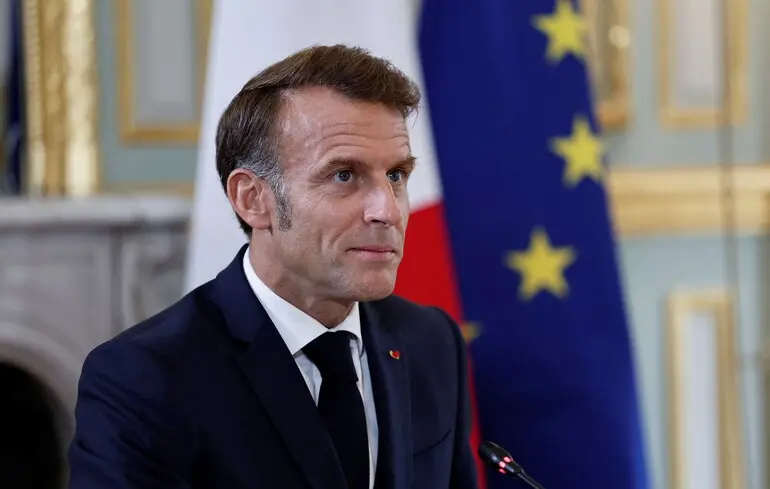
While Europe argues over the format of negotiations, France's most prominent thinkers have issued an ultimatum to the Kremlin: no deals without the return of deported children and civilians. Bernard-Henri Lévy, Stéphane Courtois and nine other intellectuals published an open letter in L'Express, naming figures that Moscow is trying to hide from the world.
What the intellectuals demand from Macron
In a letter published on 2 February 2026, the French thinkers called on President Emmanuel Macron to put humanitarian conditions at the center of any negotiations with Russia. This is not just a call for peace — it is an ultimatum to a dictator who has held thousands of Ukrainians captive for three years.
The authors of the letter rallied around the People First initiative, launched by the 2022 Nobel Peace Prize laureates — Ukrainian Oleksandra Matviychuk and Russian Oleg Orlov. Their message is clear: no territorial concessions without the release of people.
"Ceding territory is not just drawing lines on a map, it is handing millions of Ukrainians over to a system of total oppression"
— From the open letter by French intellectuals
Figures the Kremlin hides
Human rights organizations have documented the scale of crimes that Putin is trying to erase from Europe's memory:
19,546 deported Ukrainian children have been officially documented. Only 1,954 of them have returned. The rest are in Russian "re-education centers," where they are being prepared to become soldiers against their own homeland. Hundreds of thousands of children in occupied territories undergo forced Russification from kindergarten.
At least 16,000 Ukrainian civilians are being held illegally on Russian territory. By some estimates, there are many more. These people suffer torture, sexual violence, and inhuman treatment. Some did not survive captivity.
Thousands of prisoners of war are held in appalling conditions that violate the Geneva Conventions. Many of them are without medical care, in a state of critical exhaustion.
Between 3 and 3.3 million residents of the occupied territories have been forced to accept Russian citizenship under threat of having their homes seized, losing social benefits, or imprisonment. But even a passport does not save them: the authorities have begun evicting Ukrainians in order to replace them with Russian...



