120,000 British drones: Not humanitarian aid, but an industrial bet
London is supplying Ukraine with drones in six-figure quantities for the first time — and is simultaneously building Ukrainian factories on its territory. This is no longer aid, but joint production.

By Tetiana Suchkova-Ladik
April 15, 2026 · 2 min read
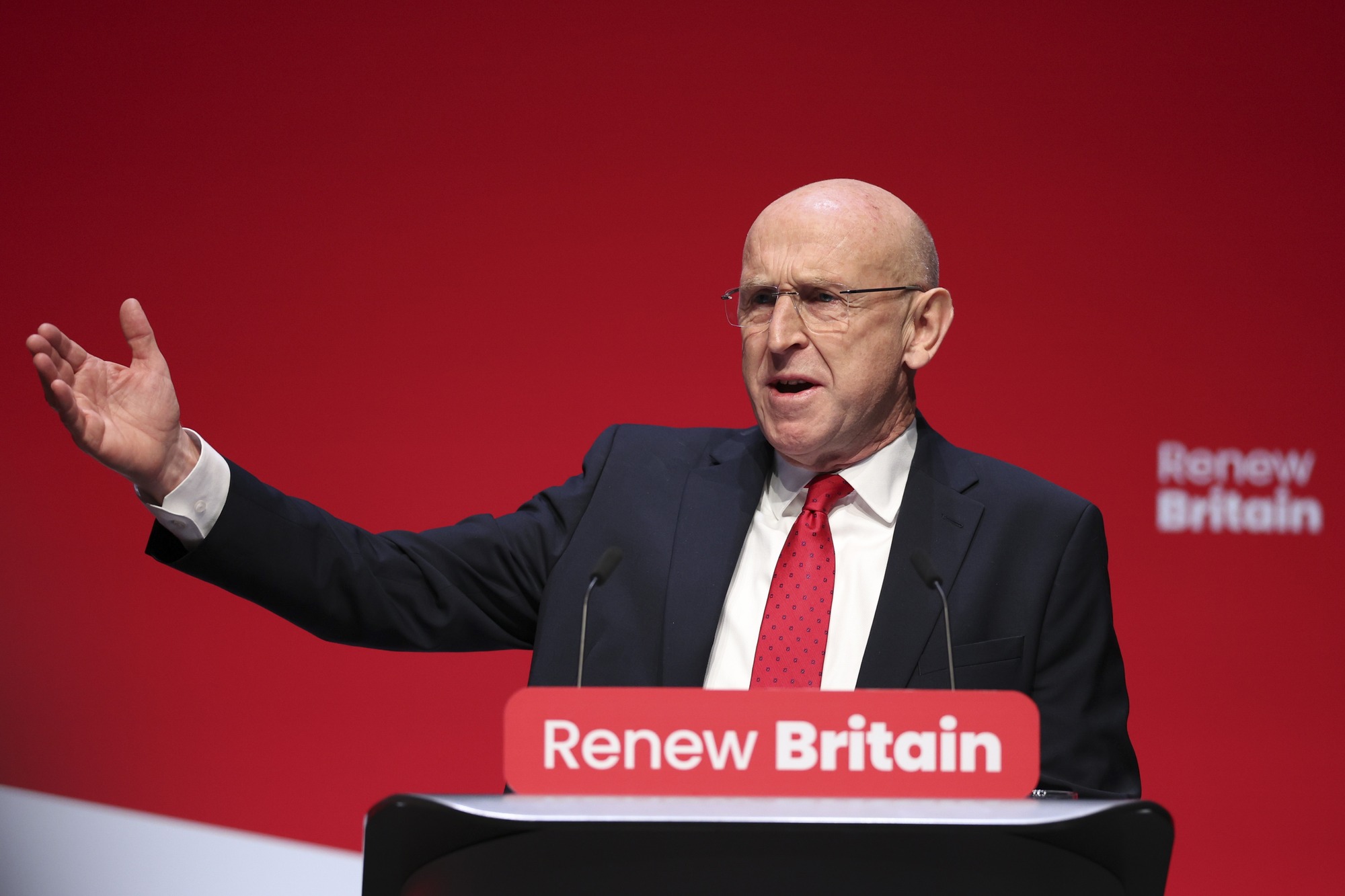
On April 15, at the 34th meeting of the Ukraine Defense Contact Group in Berlin, British Defense Minister John Healey announced the supply of 120,000 unmanned aerial vehicles — the largest drone package in the country's history. First batches are already heading to Ukraine this month.
The package covers four categories: long-range strike drones, reconnaissance UAVs, logistics unmanned vehicles, and maritime systems. The specific distribution among categories has not been officially disclosed, but it is the maritime drones — in particular Magura V5 analogues costing around $300,000 per unit — that have already proven effective in the Black Sea.
Figure by Figure
To understand the scale: according to open sources, a tactical FPV drone costs around $400, an interceptor — $5,000, a long-range drone — from $110,000 to $300,000. If the package consists mainly of cheaper FPV systems, the total cost could be less than £100 million. If strike drones dominate — the bill runs into billions. London only stated the quantity.
For comparison: Russia launched approximately 6,500 kamikaze drones against Ukraine in March 2025 per month. 120,000 British unmanned vehicles — this is approximately 20 months of such a pace, if it were solely about countering "Shaheds".
Why This Is Not an Ordinary Delivery
Parallel to the announcement, London is advancing another project — Project Octopus: production of Ukrainian interceptors directly on British territory. As Healey explained, Ukrainian partners transfer technology and intellectual property, the British side scales up production and returns finished drones to Ukraine — potentially 2,000 units per month.
The Ukrainian company Ukrspecsystems is already investing over $267 million in building a factory in Mildenhall in eastern England. This is the first large-scale production investment by a Ukrainian weapons manufacturer abroad.
"Our Ukrainian friends are transferring technology and intellectual property — we will develop it further and mass-produce it to supply thousands of interceptors back to Ukraine every month".
John Healey, British Defense Minister
Separately, London signed an agreement on joint intellectual property development with Ukrainian companies — according to the British government, one of the first of its kind with Ukraine.
Behind the Scenes
Britain invested £350 million in 2025 specifically to increase drone supplies — from 10,000 in 2024 to 100,000 per year as a target indicator. The 120,000 package exceeds this target, but does not contain a public verification mechanism: no independent monitoring of transfers, no breakdown by system types, no delivery schedule.
- Deliveries began in April 2025, full volume — by the end of the year
- Maritime unmanned vehicles already have confirmed combat results
- Project Octopus is moving to production "within the coming weeks" — according to Healey as of October 2025
- Britain has committed to spending 10% of its defense budget on autonomous systems
The real test for this package is not the number of units, but the speed of integration: if the Ukrainian Drone Corps receives 120,000 unmanned vehicles without sufficient trained operators and protected communication channels, the figure will remain a PR record. Whether London will manage to deploy not only supplies but also training infrastructure by the summer escalation on the front — this will become clear by August.
```


