"140 Million for Freedom: Who and Why Is Ready to Pay Bail for Yermak"
The Specialized Anti-Corruption Court arrested the former head of the Presidential Office for 60 days and set bail equal to the value of several apartments in the capital. Even before the decision came into force, unknown foreigners called the defendant's lawyer offering money.

By Tetiana Suchkova-Ladik
May 14, 2026 · 2 min read
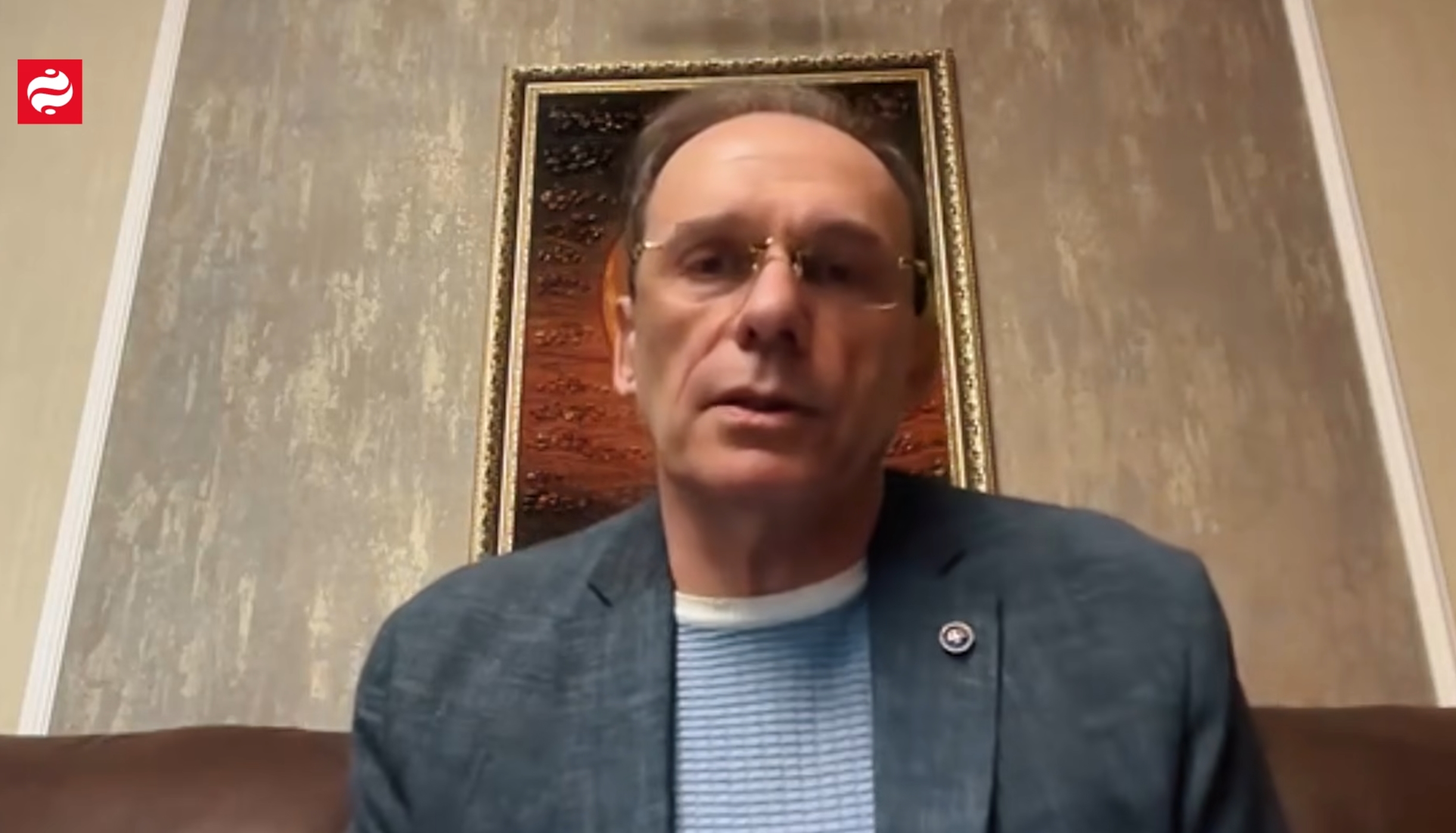
On May 14, the Higher Anti-Corruption Court selected a preventive measure for Andriy Yermak, the former head of the Presidential Office, in the form of detention for 60 days with the possibility of release on bail of 140 million hryvnias — approximately $3.4 million. The decision came into force immediately after it was announced.
Already the next day, lawyer Ihor Fomin reported an unexpected reaction: money was being offered by people he personally does not know, including from abroad.
"I'm even surprised, to be honest. I don't know these people at all,"
— lawyer Ihor Fomin, LIGA.Redaktsiya
According to Fomin, part of the funds have already started to be paid — in particular by one of his fellow lawyers. Yermak himself stated in court that he does not have his own 140 million, but "has many friends and acquaintances who could probably help."
The charges
According to NABU and SAP, between 2021–2025, an organized group "laundered" over 460 million hryvnias through the construction of an elite cottage village "Dynastiya" in Kozyn, Kyiv region — 8 hectares with four private residences and its own spa zone. The SAP prosecutor during the hearing stated: Yermak in this scheme was responsible for financing, while former Vice Prime Minister Oleksiy Chernysov — for organization and conspiracy. Yermak and six other suspects have been notified of suspicion under Part 3 of Article 209 of the Criminal Code of Ukraine (money laundering on an especially large scale).
The first journalistic materials about "Dynastiya" were published in July 2025 — by Bihus.info. NABU recorded conversations in the apartment of sanctioned businessman Timur Mindich (operative pseudonym "Karlson"); in the case materials, Yermak appears under the pseudonym R2.
Terms of release on bail
If 140 million hryvnias are paid, Yermak is obligated to: not leave Kyiv, surrender his passports, wear an electronic bracelet, and not communicate with the suspects — Chernysov, Mindich, Lysenko, Opalchuk, Siranchuk, Medvedeva — and at least 18 specified witnesses.
What's next
The defense is appealing the HACC decision and separately plans to challenge the suspicion itself. Lawyer Fomin called the case "absurd." The court was to publish the full text of the ruling on May 18.
The real question now is not whether bail will appear — judging by the flow of calls, the funds will most likely be paid. The question is different: if the appeal leaves the suspicion in force, is the defense ready to take the case to court on the merits — and will this readiness hold up when, instead of abstract accusations, concrete evidence from the "Midas" case appears?



