1,567 drones in two days: Russia used 'ceasefire' to prepare for largest attack
# ISW Confirms: Russia Deliberately Accumulated Strike Weapons During May Ceasefire The Institute for the Study of War has confirmed that Russia consciously accumulated strike weapons during the May ceasefire. Now Zelenskyy has tasked the military and intelligence services with determining response formats.

By Tetiana Suchkova-Ladik
May 14, 2026 · 2 min read
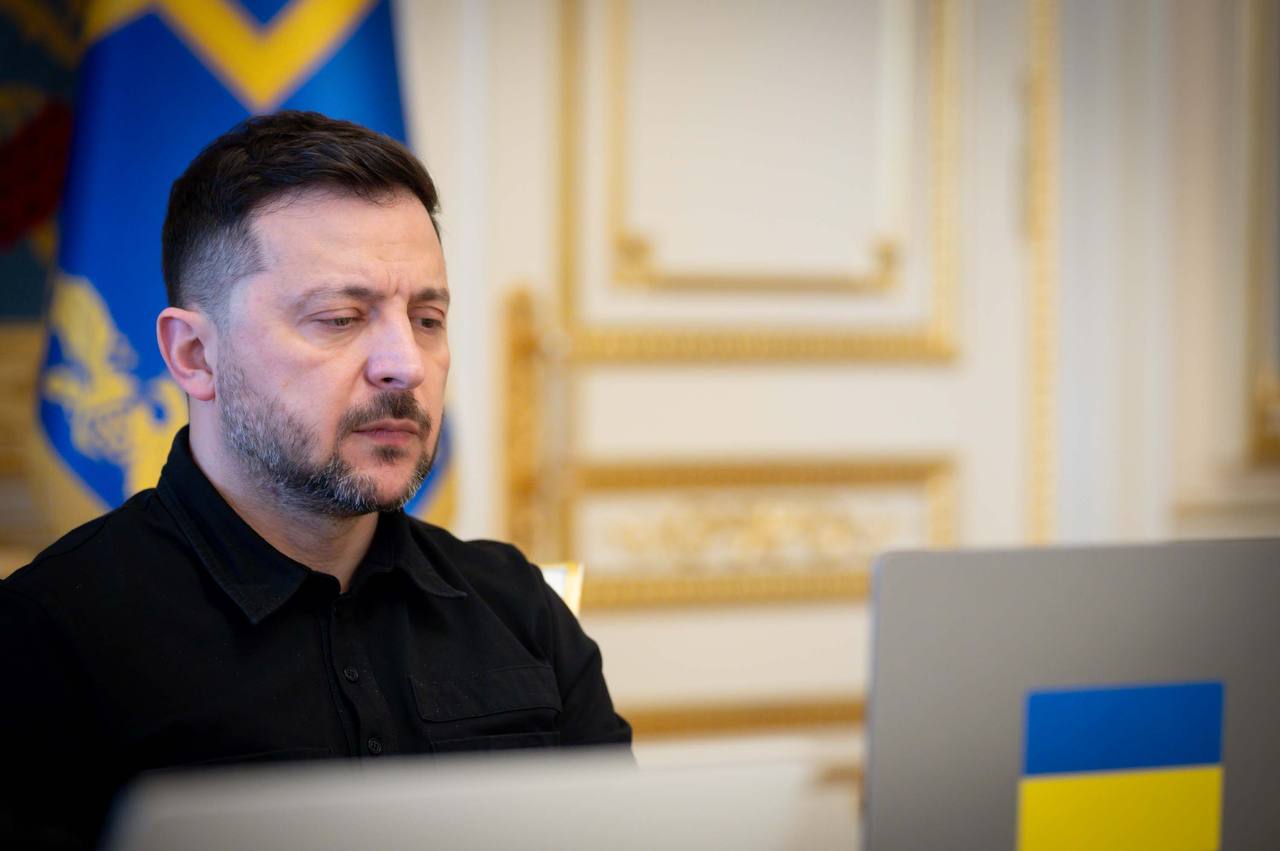
On May 13 and 14, Russia launched 1,567 drones and 56 missiles of various types against Ukraine — an almost continuous two-day attack that President Volodymyr Zelensky called a "special terrorist tactic." According to him, air defense interception rate reached over 93%, but he stressed this is insufficient.
Ceasefire as a Preparation Window
The scale of the attack's timing is no coincidence. The ISW emphasizes that Russia's new strike tactic — launching unmanned aircraft over an extended continuous period — allows it to threaten more regions and disproportionately impact civilian areas.
"Russia likely used the ceasefire on May 9–11 to establish conditions and prepare for the possibility of delivering a massive series of strikes of such magnitude"
— Institute for the Study of War (ISW)
During the "ceasefire," a sharp increase in Russian use of Molniya-type attack drones was recorded — the number of strikes by these unmanned aircraft during the lull was higher than before it began.
What Hit and Where
On May 13, Russia launched mass strikes on western Ukraine: a missile hit a building in Uzhhorod, a drone struck a residential building in Ivano-Frankivsk, in Zhovkva in Lviv Oblast — a critical infrastructure facility, leaving the city without power.
In Ivano-Frankivsk, the number of casualties from the strike on the high-rise increased to ten, including two teenagers. In total, on May 13, there were 241 combat clashes between Ukrainian defense forces and Russian military.
On the night of May 14, the attack continued and became one of the largest strikes on Kyiv. In the capital, damage was recorded in Darnytskyy, Solomiyansky, Holosiyivsky, and Sviatoshynskyy districts.
After the Stavka: "Fair Response" Without Details
Following the meeting of the Stavka of the Supreme Commander-in-Chief, Zelensky instructed the Defense Forces and special services to propose specific formats for response to the attack. No technical or operational details were disclosed — which in the context of military security is standard practice rather than evidence of inaction.
- Air defense intercepted over 93% of targets over both days
- The need to strengthen air defense was acknowledged at the level of the Supreme Commander-in-Chief
- ISW confirmed: Russia uses prolonged wave attacks to exhaust interception systems
- New tactic — accumulation between attacks under cover of negotiation pauses
The question remains open: if Russia systematically uses any ceasefire to prepare massive strikes — can any future period of silence be anything other than an operational window for the enemy?



