20 Years Against 5: How the Discrepancy in Numbers Blocked a Deal Between the US and Iran
Negotiations in Islamabad lasted 21 hours but stalled on one issue — for how many years Iran will not enrich uranium. The answer to this question will determine whether the region will have peace after April 21.

By Tetiana Suchkova-Ladik
April 14, 2026 · 3 min read
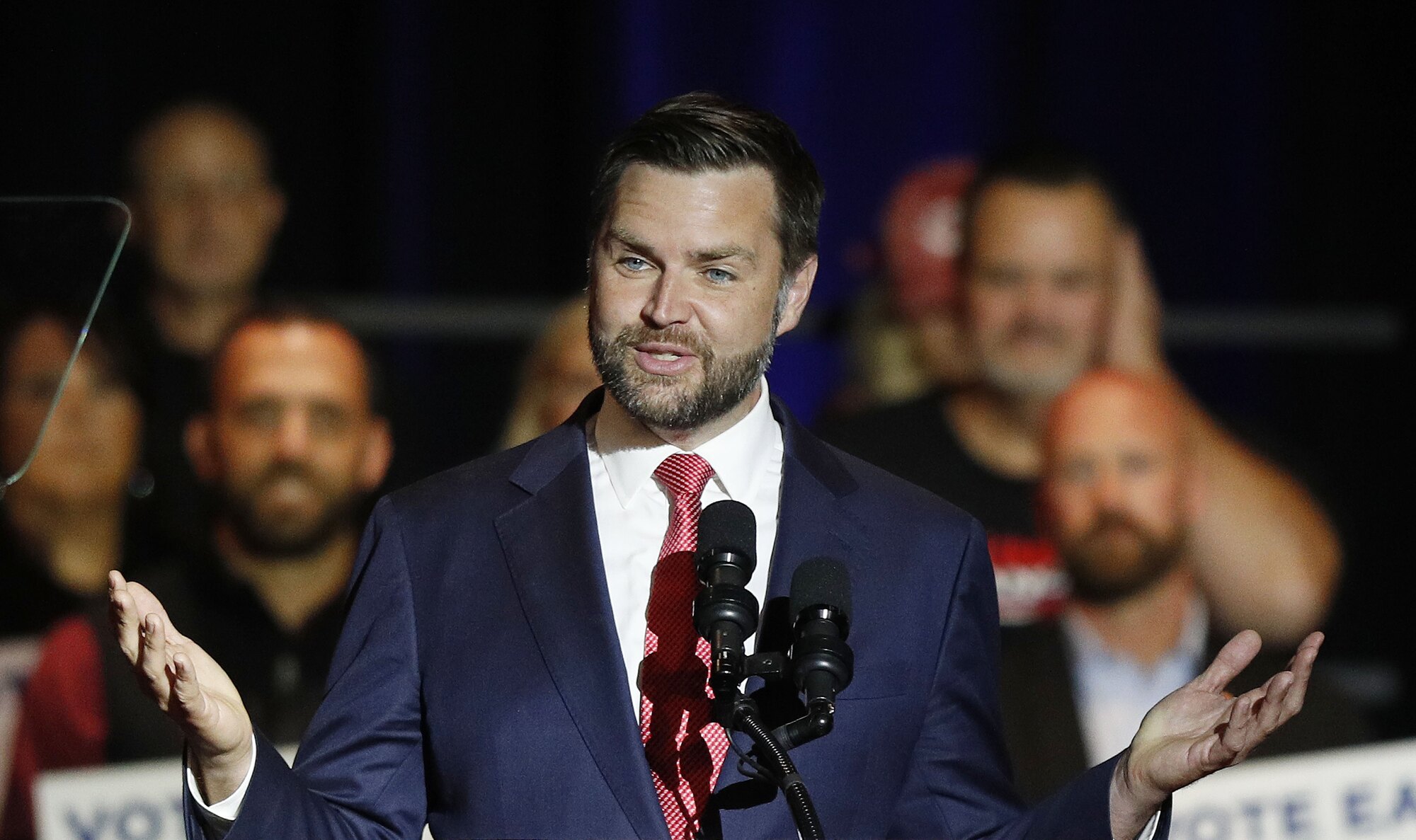
On Saturday, April 11, an American delegation led by Vice President JD Vance, special envoy Steve Witkoff, and adviser Jared Kushner held marathon 21-hour negotiations with the Iranian side in Islamabad with Pakistan's mediation. According to Axios, citing an American official and another source familiar with the situation, the US proposed a 20-year moratorium on uranium enrichment to Iran — and this became the main sticking point.
What exactly the US demanded
The American position included at least three "red lines" that the White House called inviolable: complete cessation of uranium enrichment, dismantling of key enrichment facilities, and removal from the country of over 400 kilograms of highly enriched uranium, which according to CNN lies in underground storage. The 20-year moratorium proposal is already a concession compared to Trump's initial position: before negotiations, he demanded permanent and complete cessation of any enrichment.
"The US offered at least 20 years with a whole range of other restrictions"
— source familiar with the course of negotiations, Axios
Separately, Washington insisted that Iran must remove all highly enriched uranium from the country. Tehran responded with an alternative — so-called "down-blending" to lower enrichment levels without removing the material.
What Iran proposed — and why Trump refused
The Iranian side rejected the 20-year term. Initially, according to Axios, Tehran proposed a "single-digit number of years" — meaning less than 10. According to The New York Times, citing two Iranian and one American official, Iran ultimately officially proposed a moratorium of up to five years. Trump rejected this proposal.
The Iranian delegation, according to Axios sources, expected to reach a preliminary agreement before Sunday. Instead, Vance went to the press and stated that the Iranians "decided not to accept our terms," after which the American delegation left Pakistan. According to Mediaite, citing a source familiar with the situation, the Iranian side "was frustrated" by this press conference — negotiators believed the process was still ongoing.
How the negotiations ended — and what happened next
Immediately after the talks collapsed, Trump announced a naval blockade of the Strait of Hormuz. CENTCOM reported the start of a blockade of Iranian ports from Monday. US Defense Secretary Pete Hegseth called the transfer of enriched uranium a "non-negotiable" issue.
At the same time, the mediators did not give up. Pakistani Foreign Minister Ishaq Dar called on both sides to maintain the ceasefire regime. Turkey proposed extending the ceasefire for 45-60 days if negotiations resume. Iranian Foreign Minister Abbas Araghchi accused Netanyahu of derailing the talks through a phone call to Vance during the session, claiming it "shifted the focus from US-Iran negotiations to Israel's interests." The American side did not comment on these accusations.
According to Time, Araghchi said the sides "were a step away from understanding," but faced "maximalism and moving goalposts." Vance in response called the American proposal "the best and final."
What really divides the sides
The nuclear issue is not new: Iran's refusal to cease enrichment and transfer 400 kilograms of uranium is precisely what stopped the previous round of negotiations involving Witkoff and Kushner before the active phase of the conflict began. As CNN notes, nuclear differences have remained unchanged since before the war.
- US position: complete cessation of enrichment, dismantling of facilities, removal of HEU from the country
- Iran's position: moratorium up to 5 years, down-blending of uranium instead of removal, preservation of the right to enrichment in principle
- Disputed issue: no mechanism for verification and control is outlined in the public statements of either side
The ceasefire expires on April 21-22. If a second round of negotiations takes place before this date and Iran raises its proposal above 5 years — a deal is technically possible. If not, the Hormuz blockade becomes not pressure, but a prologue to a new phase of the conflict.



