20,000 reservists and a September deadline: what the GUR knows about Russia's preparation for an offensive in Donbas
Deputy Head of Military Intelligence Vadym Skibytskyi told Financial Times that Moscow is already deploying its strategic reserve to the front — and this, in his view, speaks louder than any negotiating rhetoric.

By Tetiana Suchkova-Ladik
April 17, 2026 · 2 min read
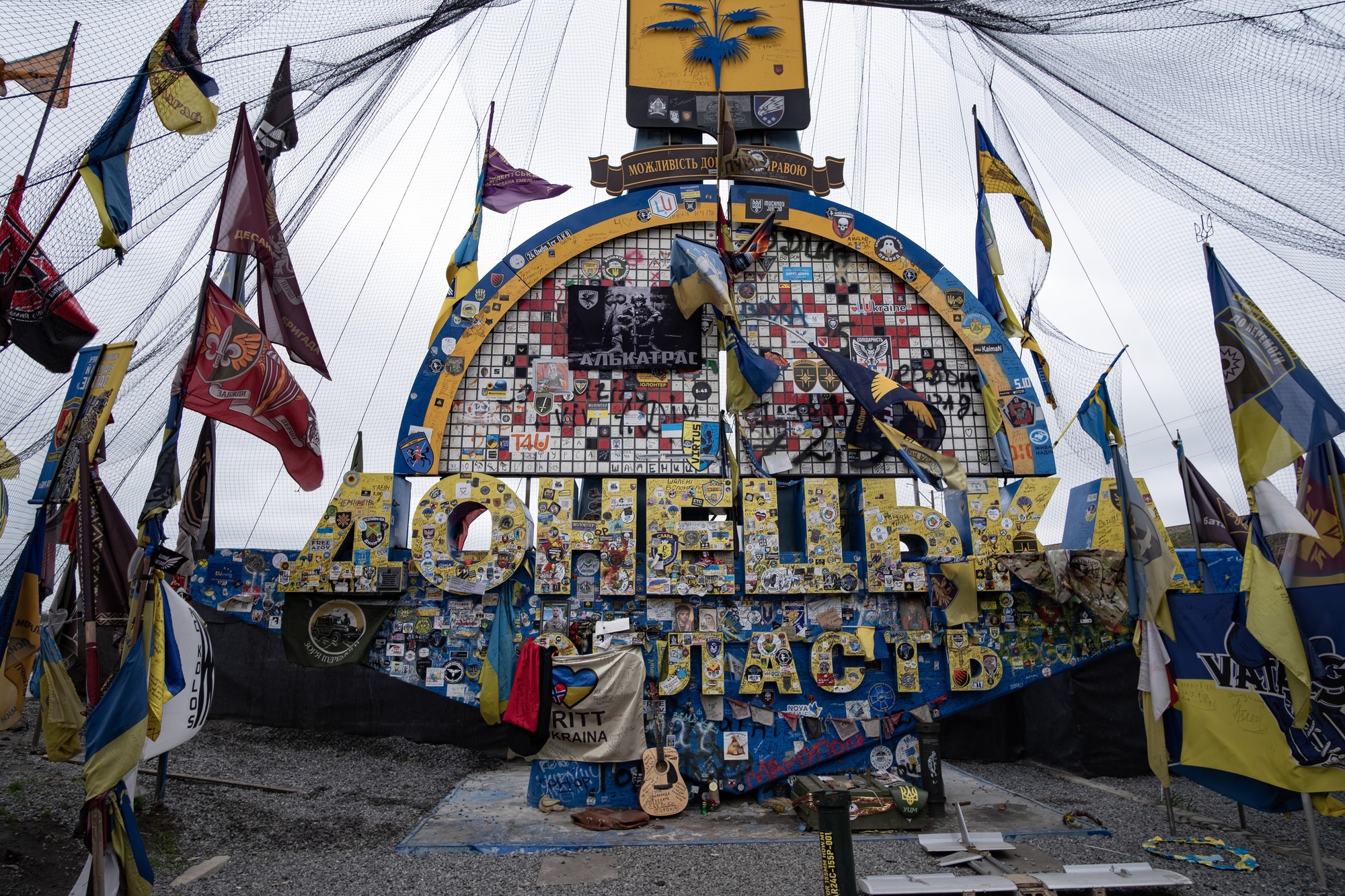
On April 16, Vadim Skibytsky, Deputy Chief of the Main Directorate of Intelligence of the Ministry of Defense, gave a detailed interview to Financial Times — and the central conclusion in it is not diplomatic: Russia is preparing for a large-scale ground offensive in southeastern Ukraine, not for negotiations.
What Russia is specifically preparing
According to the GUR (Main Directorate of Intelligence), there are currently approximately 680,000 Russian soldiers on the territory of Ukraine. This grouping is planned to be supplemented with another 20,000 military personnel from the strategic reserve — those forces that Moscow has been saving "for later." The strategic objective remains unchanged: complete capture of Donetsk and Luhansk regions. Intelligence has identified a clear internal deadline — September 2025.
In parallel, Russia is ramping up missile production. According to Skibytsky, Russia is currently producing approximately 60 Iskander missiles per month and has expanded its own launch capabilities. Ukraine, meanwhile, is experiencing a shortage of modern air defense systems — particularly American Patriot systems.
"Russia is preparing a new ground offensive in the southeastern regions of Ukraine and plans to involve strategic reserves to replenish its troops with 20,000 new soldiers."
Vadim Skibytsky, Deputy Chief of GUR, Financial Times
Attacks — not terror, but battlefield preparation
Skibytsky interprets the intensification of missile and drone strikes not as an independent intimidation campaign, but as an instrument for shaping the operational environment before a ground offensive. The destruction of energy infrastructure in winter significantly undermined its resilience — and now, according to GUR's assessment, the energy system remains extremely vulnerable. Moscow, in turn, continues to refine its strike tactics.
Negotiations as camouflage
It is telling that Skibytsky is a member of the Ukrainian delegation at the negotiations. Therefore, his conclusion sounds particularly concrete: preparation for large-scale ground operations indicates that Russia does not take negotiations seriously and plans to continue the war. The Kremlin, according to the GUR representative, uses negotiation discourse primarily to influence the West and the Global South — demonstrating its "readiness for peace" while mobilizing reserves.
This is not a new thesis. A year ago, Skibytsky told The Economist that substantive negotiations are possible no earlier than the second half of 2025 — when both sides will occupy the "most convenient positions." Now the GUR is observing that Russia is doing exactly that — but solely on the battlefield.
What this means in practice
- 20,000 reservists — not an announced mobilization, but the involvement of already trained forces that were kept in reserve.
- September — an internal deadline, recorded in planning. Not a public promise, but a guideline for command.
- 60 Iskanders per month — a level sufficient to sustain intensive strikes simultaneously with a ground offensive.
- 680,000 soldiers already in Ukraine — the largest grouping throughout the entire full-scale war.
If Russia truly reaches the administrative borders of Donetsk and Luhansk regions by autumn — this will fundamentally change Moscow's negotiating position. The question is different: will Ukraine receive enough air defense systems and artillery ammunition before the reserve is committed to battle — because it is this that will determine whether September becomes a deadline for Russia or a turning point for Ukraine.



