21-year-old with psychiatric history breached Secret Service perimeter twice — still managed to reach White House checkpoint with weapon
Nassire Best was known to the FBI and Secret Service after two incidents in 2025, including a forced hospitalization. This raises an uncomfortable question not about the threat, but about the system.

By Tetiana Suchkova-Ladik
May 24, 2026 · 2 min read
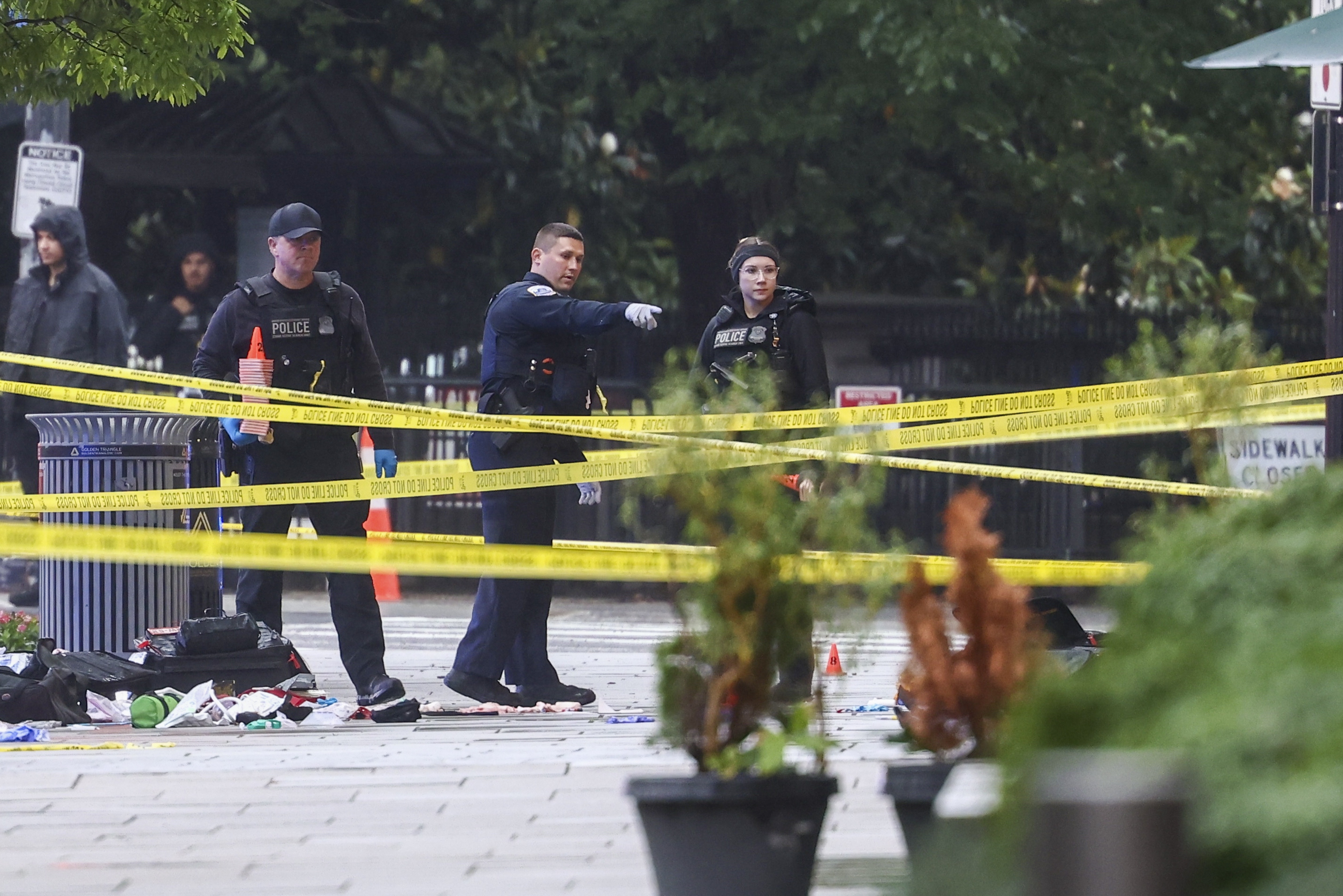
On Saturday, May 23, around 18:00 local time, a 21-year-old Nasire Best from Maryland approached a checkpoint at the corner of 17th Street and Pennsylvania Avenue NW, near the Eisenhower Building. He took a revolver from his bag and opened fire at Secret Service agents. They returned fire. Best died at George Washington University Hospital. Trump was in the White House — no threat to him was detected.
Who is Nasire Best
According to Fox News and CBS News, Best had been living in Washington for the past year and a half. He came to the attention of law enforcement twice in 2025: on June 26, he was detained after approaching agents and making threats; on July 10 — for attempting to enter a restricted zone. Following the first incident, according to CNN, Best claimed he was "God" and was forcibly hospitalized to the Psychiatric Institute of Washington for psychiatric evaluation.
Despite this, according to investigation data, there were no legal restrictions preventing him from returning to the presidential residence.
What happened during the shooting
According to CBS News estimates, 15 to 30 shots were fired. Journalists who were on the North Lawn at that moment heard them and were urgently evacuated to the press briefing room. ABC News correspondent Selina Wan published a video of the moment of the first shots — she was filming on her smartphone when she heard the sounds.
One bullet struck a passerby — a civilian. According to law enforcement, the injured person is in critical condition. One Secret Service agent was taken to the hospital as a precautionary measure, but without injuries.
"This shows how important it is to build the safest and most secure space in Washington for future presidents. National security demands it."
Donald Trump, Truth Social, May 24, 2025
Context: second incident in a month
The shooting occurred less than a month after an incident at the White House Correspondents' Association dinner, where Cole Thomas Allen from California opened fire near the Washington Hilton Hotel, where journalists and administration officials were present. According to preliminary FBI data, he deliberately attacked administration officials. In that case, Trump himself acknowledged in a CBS News comment that he could have slowed down the security team's response by not immediately following their instructions.
Two armed incidents in a row near the presidential residence within less than a month — this is no longer a statistical coincidence. The FBI, ATF, and Washington police are conducting a joint investigation into both cases.
The question that remains unanswered
Nasire Best was documented by the Secret Service twice. Following his second detention — for entering a restricted zone — he received no legal order prohibiting him from approaching the White House. If the system for monitoring individuals with documented psychiatric episodes and documented aggression toward protected facilities does not provide for automatic preventive response — the question is not whether a third incident is possible, but under what conditions it would become impossible.



