27,000 drones in winter — and 90% shot down: how Ukraine changed the balance in the air
At the 34th meeting of the Ramstein Contact Group, Defense Minister Fedorov disclosed figures on Russia's winter campaign against Ukraine's energy infrastructure, showing that the interception rate for drones approached 90% for the first time despite record attack volumes.

By Tetiana Suchkova-Ladik
April 15, 2026 · 2 min read
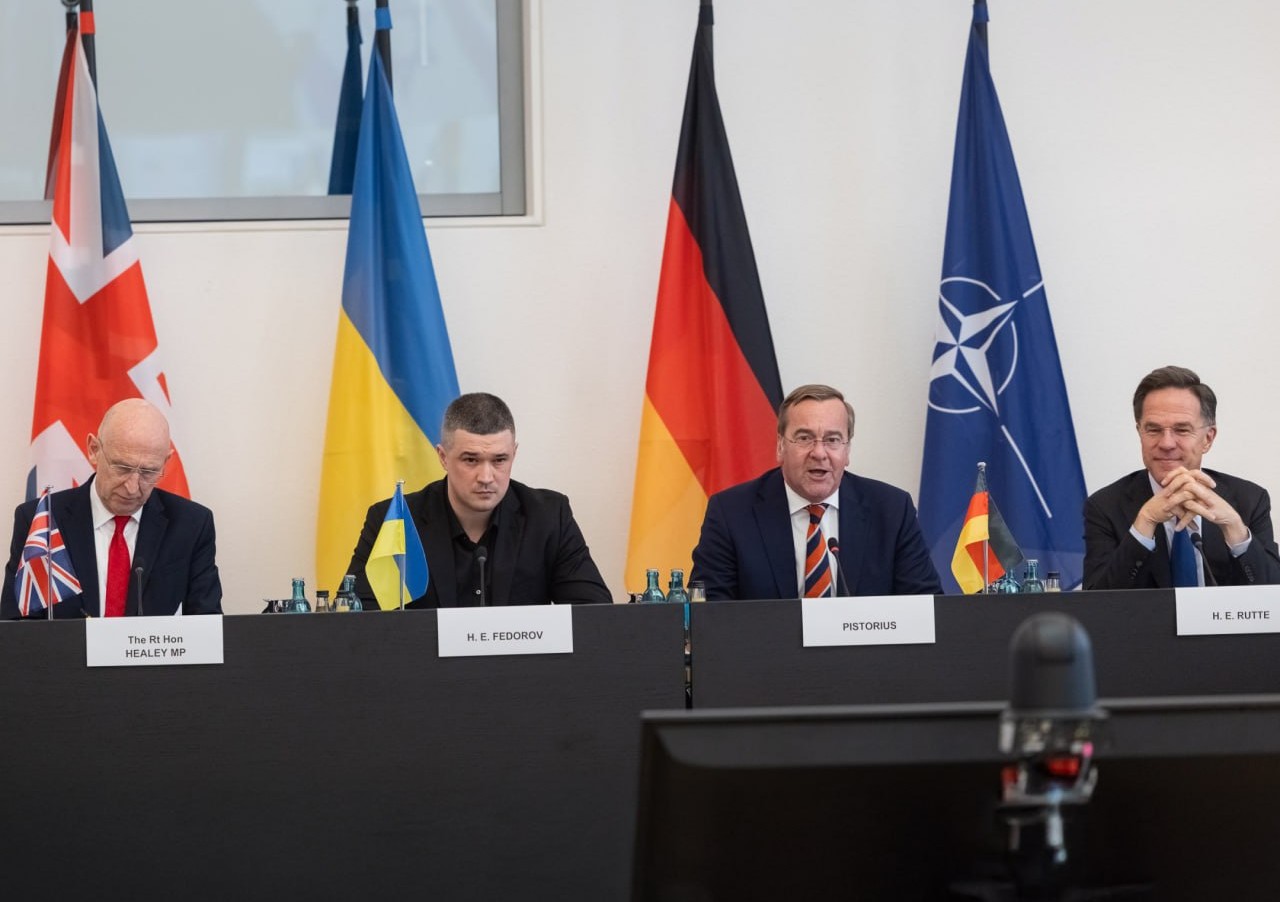
Winter 2025–2026 has become the most intense air trial for Ukraine throughout the entire period of full-scale invasion. At the 34th meeting of the Contact Group in the "Ramstein" format on February 12, Defense Minister Mikhail Fedorov announced specific figures and results that would have seemed unrealistic a year ago.
What Russia was firing at the energy system
According to Fedorov, from November to March, Russia fired 462 ballistic missiles, nearly 600 cruise missiles, and 27,000 Shahed-type drones at Ukraine. The goal remains the same as in previous winters: destroy the energy system and leave people without heat and light. In March alone, according to Euromaidanpress, Russia launched 6,462 strike drones — more than for the entire period from September 2022 to July 2024.
On March 23–24, a new daily record was recorded: 982 missiles and drones in 24 hours. Kyiv reported neutralizing 931 of them.
What changed in defense
The interception rate of cruise missiles reached approximately 80%, drones — 90%. For comparison: since April 2025, the figure for downed drones never exceeded 80% — until March 2026, when it first approached 90%, according to Euromaidanpress citing Defense Ministry data.
"Our task is to identify 100% of air threats in real time and intercept at least 95% of missiles and drones."
Mikhail Fedorov, Defense Minister of Ukraine
Fedorov explained the increase in indicators by two factors: the introduction of new air defense systems and the improvement of existing ones. He separately mentioned the expansion of the private air defense program — enterprises were granted the right to protect their own facilities using air interceptors integrated into the Air Force's command system. According to the minister, 13 new companies recently joined the initiative.
Important context
- Ballistic missiles in Fedorov's statistics are listed separately — their interception rate was not announced. It is significantly more difficult to kinetically destroy ballistic missiles, and they cause the greatest structural damage.
- Despite record attack volumes, the percentage of drones reaching targets increased in 2025: Russian tactics became more sophisticated — more decoys (Gerbera type), changed routes, nighttime waves.
- Partners at "Ramstein" confirmed almost $38 billion in military aid, a significant portion of which will go to air defense, strike drones, and the Deep Strike program.
Ukraine has already developed approximately 50 models of interceptor drones — an industry that barely existed a year ago. But even 90% interception of 27,000 drones per season means approximately 2,700 aircraft reaching their targets.
If Russia maintains or increases the pace of Shahed production — and the March record suggests it will — the question is not whether Ukraine will achieve the target 95%, but rather whether the increase in private and state air defense will outpace the growth of Russian strikes before the next winter.



