27,000 tonnes of Russian oil in exchange for plastic: how the closed Strait of Hormuz opened the door for Moscow
LG Chem halted ethylene production, declared force majeure — and ultimately accepted the first batch of Russian oil. Behind the decision is a temporary U.S. authorization that expires on April 11.

By Tetiana Suchkova-Ladik
March 30, 2026 · 3 min read
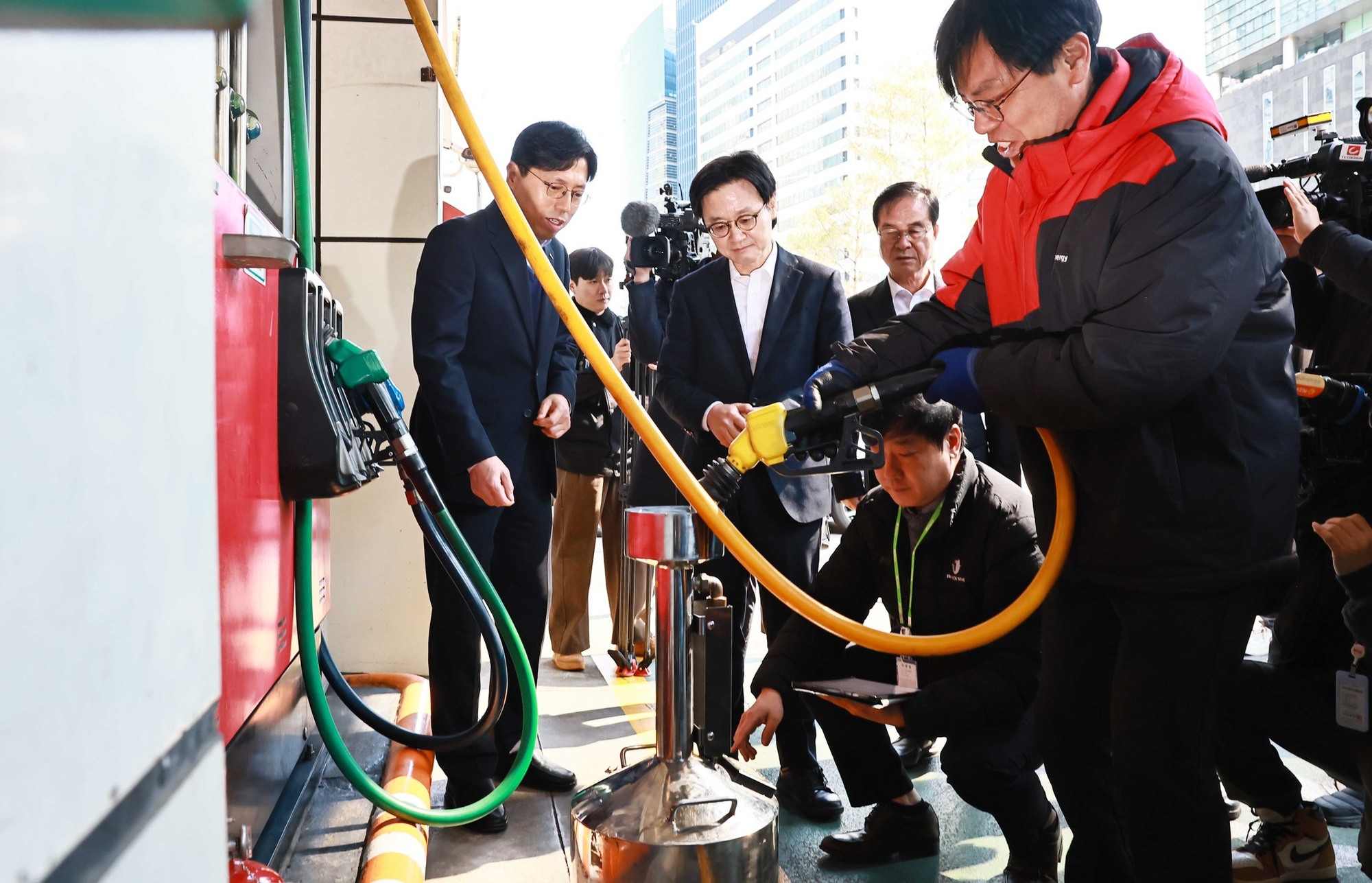
On March 30 a tanker carrying 27,000 metric tons of Russian oil docked at the South Korean industrial complex Desan. The cargo belongs to LG Chem — the country’s leading chemical manufacturer. This is not merely a commercial deal: it is the first officially documented breach of the sanctions regime around Russian feedstock on the Korean market — carried out not in defiance of the United States, but with its tacit permission.
From plant shutdown to the "emergency route"
Oil — in this case oil — is a feedstock for producing ethylene, plastics and synthetic resins. South Korea consumes about 4 million tons of oil each month, of which 45% is imported, and 77% of that import traditionally transited through the Strait of Hormuz. When, after US‑Israeli strikes on Iran, tanker traffic through the strait effectively stopped, the chain was severed almost instantly.
As early as Monday, March 24, LG Chem halted ethylene production at its Yeosu plant. The company, like Lotte Chemical and Hanwha Solutions, sent customers force‑majeure notices — a legal instrument that allows parties to be released from contractual obligations due to circumstances beyond their control. According to the Korea Federation of Plastics Industry Cooperatives, 71% of surveyed companies received notifications from suppliers about possible reductions or suspensions of resin deliveries, and 92% received notices about rising feedstock prices.
"It would be better if there were a system of strategic oil reserves at the government level."
An LG Chem representative, as quoted by Packaging Insights
A 30‑day window
Washington’s decision played a key role. On March 12 the United States issued a 30‑day authorization to purchase sanctioned Russian oil products. As The Korea Herald reports, citing the Ministry of Industry, it was this waiver that made the LG Chem deal legally possible. The authorization expires April 11 — and whether it will be extended is currently unknown.
At the same time, the Korean government banned oil exports from the country starting at midnight Thursday, attempting to keep remaining feedstock domestically. Meanwhile the European Union, according to The Korea Times, maintains a hard line on any trade with Russia in the energy sector — which puts Korean companies, major exporters to the EU market, under potential regulatory pressure.
- 27,000 tons — the volume of LG Chem’s shipment; this is less than 1% of the country’s monthly demand
- 80% of the oil that passed through the Strait of Hormuz in 2025 was bound for Asia, according to Wood Mackenzie
- 12–14 million barrels of crude oil transited the strait daily before the halt
- LG Chem, Lotte Chemical, Hanwha Solutions — all three declared force majeure to their customers
A precedent that cannot be called a precedent
The symbolic weight of the event extends far beyond a single shipment of feedstock. Korea is one of the United States’ biggest allies in Asia and a country that has consistently upheld sanctions pressure on Moscow since 2022. Now that same country, with Washington’s knowledge, is officially buying Russian oil for the first time — albeit via an emergency "corridor."
Official language is cautious: the government speaks of "diversifying sources" and "crisis measures," and LG Chem’s CEO thanked the government for "assistance with purchase and payment." But the mechanics are unambiguous: a shortage provoked by one war has eroded a sanctions line drawn by another.
If Washington does not extend the authorization after April 11, LG Chem will again face a choice: halt production or search for feedstock on a market where it physically does not exist. But if it does extend the waiver — the temporary "emergency corridor" risks turning into a new trading norm that will be increasingly difficult to close.



