€35 billion and 27 conditions: What Brussels put on the table for Orbán before his inauguration
# European Commission Begins Talks with Hungary's New PM Before Swearing-In The European Commission launched negotiations with Hungary's newly elected prime minister before he took the oath of office. However, behind promises of a reset lies a tough agenda — anti-corruption reforms, unblocking aid to Ukraine, and €900 million in penalties.

By Tetiana Suchkova-Ladik
April 14, 2026 · 3 min read
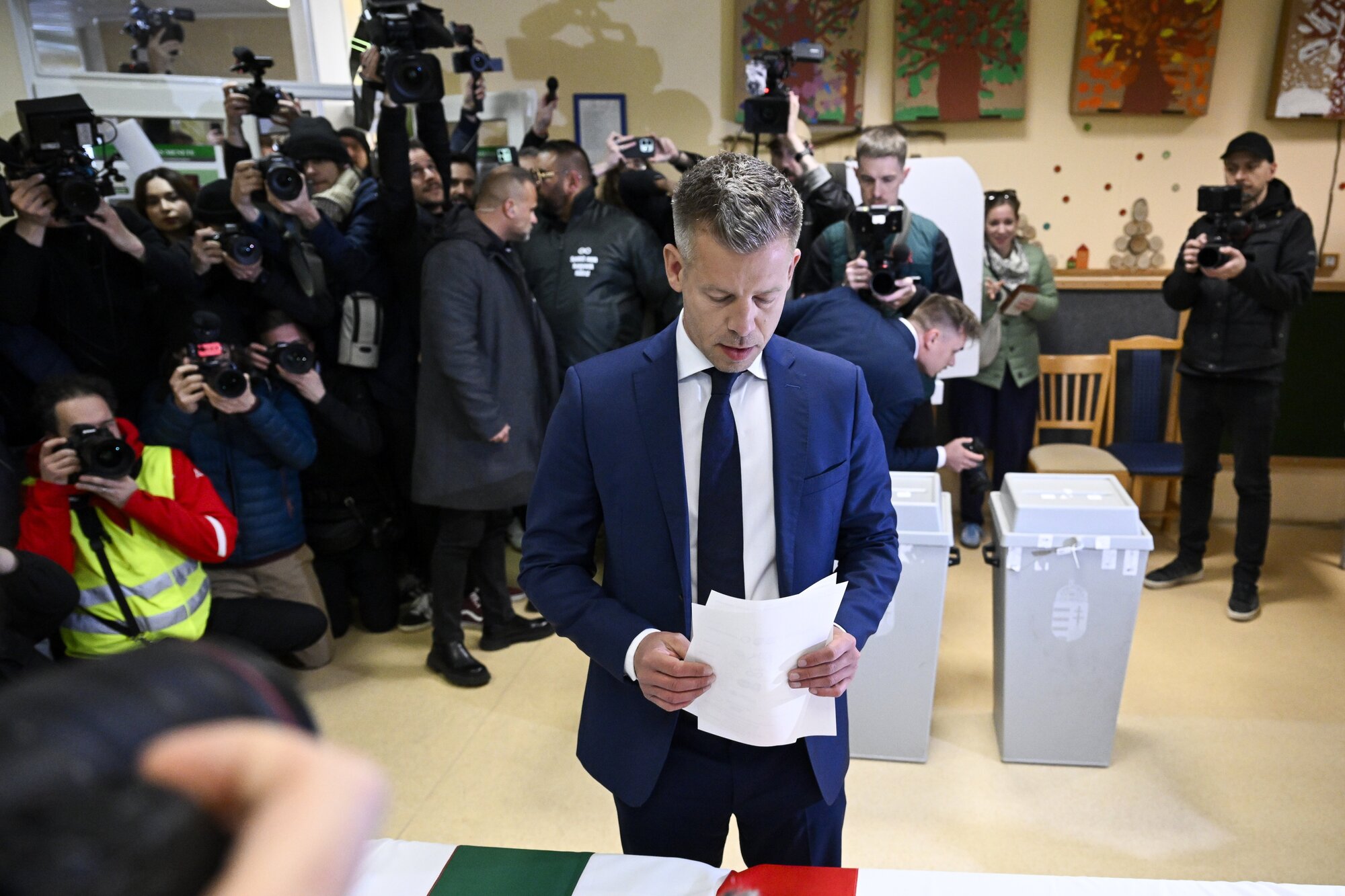
Peter Magyar won the parliamentary elections on April 12 with such a margin that he secured a constitutional majority. In Brussels, this was called "a better result than expected." But the same result immediately raised the bar for expectations — and the European Commission made this clear even before the new government's official term began.
What is frozen and why
According to Financial Times, Hungary currently has access to approximately €35 billion: nearly €18 billion is frozen due to rule of law violations and corruption risks, with over €17 billion more in concessional loans that also require compliance with conditions. There is also the pressing issue of debt: due to non-compliance with EU Court decisions on asylum cases, Budapest has accumulated fines of almost €900 million, which the European Commission automatically withholds from future payments.
These figures are not new. Even under Orbán, the EU introduced a conditionality mechanism, but its effect proved limited: Budapest learned to minimize losses through selective compliance with requirements while maintaining access to alternative sources of financing.
27 conditions without a guaranteed timeline
To access the funds, Magyar must fulfill 27 conditions — from anti-corruption measures to reviewing Orbán government decisions that Brussels qualified as violations of EU law. Key signals that diplomats are waiting for: Hungary lifting its veto on the €90 billion credit for Ukraine and supporting the 20th package of sanctions against Russia.
"We have many levers of influence. The pressure on him — and I think he wants to achieve results quickly"
— anonymous EU representative, Financial Times
At the same time, the conditions compliance mechanism remains the same as before: the European Commission reviews the reforms and decides whether there is sufficient progress to unblock tranches. There is no time limit after which the money would "automatically" reach Budapest.
What Magyar promises — and where he draws the line
The newly elected prime minister confirmed that he will not block the EU credit for Ukraine, called Russia a security threat, and announced his first visits — to Warsaw, Vienna, and then Brussels. He even called for moving the first meeting of the new parliament from May 12 to May 5 to submit a reform package as quickly as possible.
But there are limits that Magyar has outlined clearly. Hungary will continue to buy Russian oil — "we will not shoot ourselves in the foot," he said at a press conference. He does not support Ukraine's accession to the EU through an accelerated procedure and allows for a Hungarian referendum on this issue. European Commission President Ursula von der Leyen, who called the election result "an exceptional evening," welcomed "Hungary's return to the European path" — but clarified: the main phase of rapprochement will begin after Magyar's official inauguration.
Risk of the transition period
In Brussels, they are also noting a practical problem: until the new government's inauguration, the current Orbán cabinet retains its powers and could theoretically complicate the start of reforms. This is why the EU is monitoring not only Magyar's statements but also Orbán's actions in his final weeks in power.
A telling precedent: in 2023, the European Commission unblocked €10.2 billion for Hungary on the eve of a key summit — at a moment when Orbán agreed to support aid for Ukraine. The European Parliament challenged that move in court, calling it "political." Now Magyar is beginning negotiations in the shadow of this precedent: if he fulfills the conditions and the money flows — good. If the Commission makes concessions before conditions are met — another scandal.
If Magyar passes anti-corruption legislation and unblocks Ukraine's credit by the end of summer, the first tranche of €18 billion will become a real test of whether the European Commission has truly changed its approach to Budapest — or will again tie payments to the next political moment.



