360,000 or 25,000? Diverging figures on the Russian contingent in Belarus and what they mean for security
A German MP said there are 360,000 Russian troops in Belarus — Ukraine’s Main Directorate of Intelligence (GUR) responds that it has no such data. Why this matters for Ukraine and Europe now and how to read these signals without panic.

By Tetiana Suchkova-Ladik
January 8, 2026 · 2 min read
Briefly
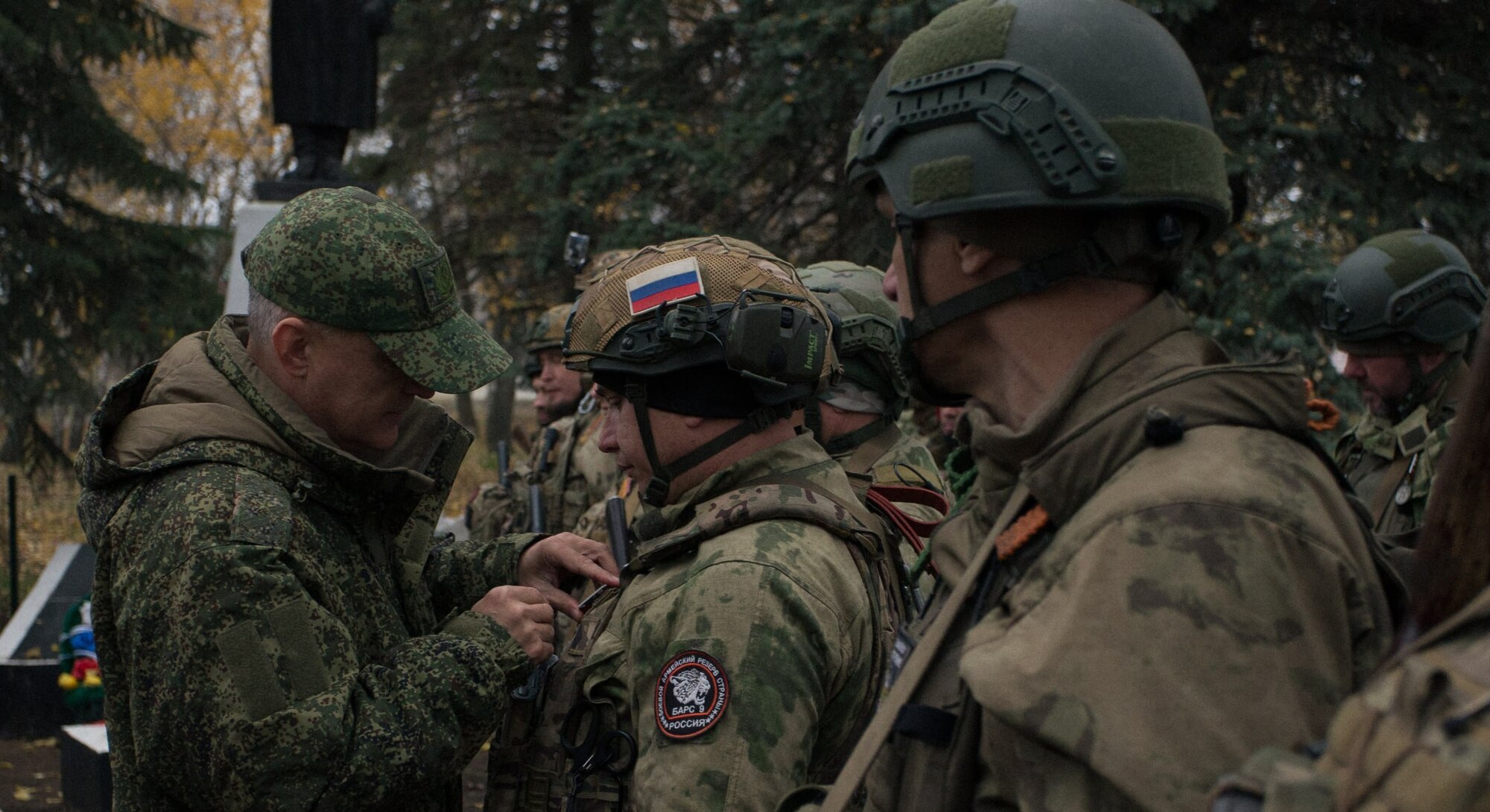
On 16 December 2025, Bundestag member from the CDU Roderich Kiesewetter claimed an alleged deployment in Belarus of about 360,000 Russian soldiers. In response to an information request from LIGA.net, the Main Directorate of Intelligence (HUR) stated that this figure as of 23 December 2025 is not confirmed.
"We're talking about roughly 360,000 soldiers"
— Roderich Kiesewetter, member of the Bundestag (CDU)
What the intelligence says
According to the HUR, a limited contingent of Russian forces is present on the territory of Belarus — approximately between 2,000 and 25,000 personnel. These units carry out tasks as part of a single Russia–Belarus grouping. At the same time, the intelligence has not detected signs of the formation of offensive or strike groupings capable of posing a direct threat to Ukraine or NATO countries.
"No signs have been detected on the territory of the Republic of Belarus of the formation of offensive or strike groupings of the Armed Forces of the Russian Federation capable of creating a direct threat to Ukraine or NATO member states"
— Main Directorate of Intelligence of the Ministry of Defence of Ukraine
Why the discrepancy in figures matters
Different estimates — from inflated scales to moderate ones — affect allied policy, budgetary decisions and the degree of resource mobilization. Large figures act as a signal: they increase pressure on the West, force politicians to respond and can be part of an information operation. At the same time, even a "limited contingent" can serve as a platform for exercises, logistics, or the deployment of systems, which increases risks over time.
The HUR also warns that by 2027 the Russian army may reach a certain level of combat readiness — a time marker that should shape our priorities in intelligence, air defence and cooperation with partners.
Aside from politicians' statements, reports have surfaced about possible movement of units and equipment (including mentions of the "Oreshnik" project at a former air base), as well as the placement of equipment for guiding drones. According to Reuters and statements by Ukrainian authorities, these signals require attention, but the gap between reports and confirmed intelligence data remains significant.
What to do next (analytical conclusion)
There is no reason to panic, but dismissing the reports outright is dangerous. Dramatic figures can be a tool of pressure or a misinterpretation of movements of equipment and personnel. Our response should be systemic: strengthen intelligence, rapidly verify sources, coordinate with partners and take concrete steps to bolster defence capabilities.
The key question for the coming years is simple: will declarations and fears translate into real investments and operational decisions by our allies? That will determine the level of readiness with which we enter 2026–2027.
In short: claims of 360,000 are a reason for increased attention, but not grounds to assume a mass deployment. Intelligence records significantly smaller scales and stresses the need for preparedness and coordination.



