52% of Poles support reinstating conscription — a signal for the security of Ukraine and Europe
An Opinia24 poll shows a sharp shift in support for conscription, rising from 35% in 2022 to 52% now. Why is this important for neighboring countries, particularly Ukraine, and what consequences might such societal readiness have?

By Tetiana Suchkova-Ladik
February 10, 2026 · 2 min read
Brief conclusion
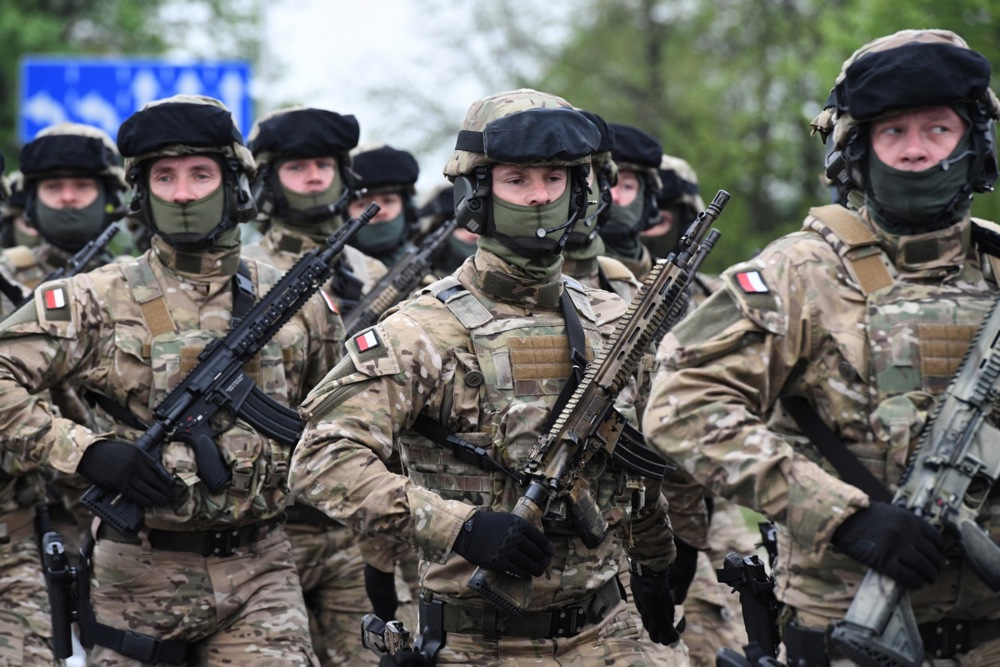
An Opinia24 survey for RMF FM (2–4 February 2026, n=1001) records that 52% of Poles now support the reinstatement of compulsory conscription (31% — categorically). This is a noticeable jump compared with IBRiS data for Rzeczpospolita in autumn 2022, when only about 36% were in favor of the draft.
What the sources say
"A remarkable change in mood"
— RMF FM, comment on the Opinia24 survey
The survey also shows clear demographic and political divides: stronger support for conscription among men (57%), people aged 50–59 (61%), and voters of the Law and Justice party (73%). Most opposed are 25–29-year-olds, people with higher education, and some of Rafał Trzaskowski's voters.
Why opinion changed — brief reasons
The rise in support did not occur in a vacuum. Several factors, also important for Ukraine, influenced it:
- Increased sense of threat — regular violations of Polish airspace by Russia and incidents involving balloons from Belarus are perceived as part of a systematic reconnaissance strategy.
- Political response — both government and opposition announce they are building up their own defence capabilities: for example, Donald Tusk's statement about beginning to build a "shield" against Russian drones.
- European context — a Polling Europe survey (September 2025) showed that most Europeans are not confident in the continent's readiness for a prolonged military confrontation.
What this means for Ukraine
The increased readiness of Polish society has several practical implications for Ukraine:
- Strengthening the neighbor's potential — even partial reintegration of conscription increases mobilization resources and the capacity for sustained operations or airspace defense.
- Stabilization of NATO's eastern flank — a stronger Poland makes the region less vulnerable and reduces risks to Ukraine's borders in the event of escalation.
- Cooperation and logistics — the shift in public support could speed up political and budgetary decisions on aid to Ukraine and joint air-defence and counter-drone projects.
"Poland is beginning to build its own 'shield' against Russian drones"
— Donald Tusk, statement 30 January 2026
Political risks and domestic division
Support for conscription correlates with electoral preferences: this may deepen internal political disagreements and become a subject of active political competition. For Ukraine, it is important that these discussions do not lead to destabilization, but instead turn into practical defense and cooperation measures.
Short forecast
The shift toward support for conscription is an indicator that Polish society is prepared to respond to rising threats. For Ukraine, this is a chance to strengthen partnership with a powerful and mobilized neighbor, but also a challenge — to coordinate efforts to turn public will into concrete defense and interoperability projects.
As declarations are transformed into budgets and structures, the key question remains: will partners be able to turn public support into effective security instruments that work both to protect Ukraine and to deter the aggressor?



