59 attacks in Kharkiv region and 341 across Ukraine in 2025: who and why are beating military recruitment officers
Kharkiv region leads all other regions in attacks on military conscription center personnel. Over two and a half years of escalation, this statistics has transformed from isolated incidents into a systemic phenomenon that the Disinformation Counteraction Center links to a pro-Russian campaign on Telegram.

By Tetiana Suchkova-Ladik
April 25, 2026 · 2 min read
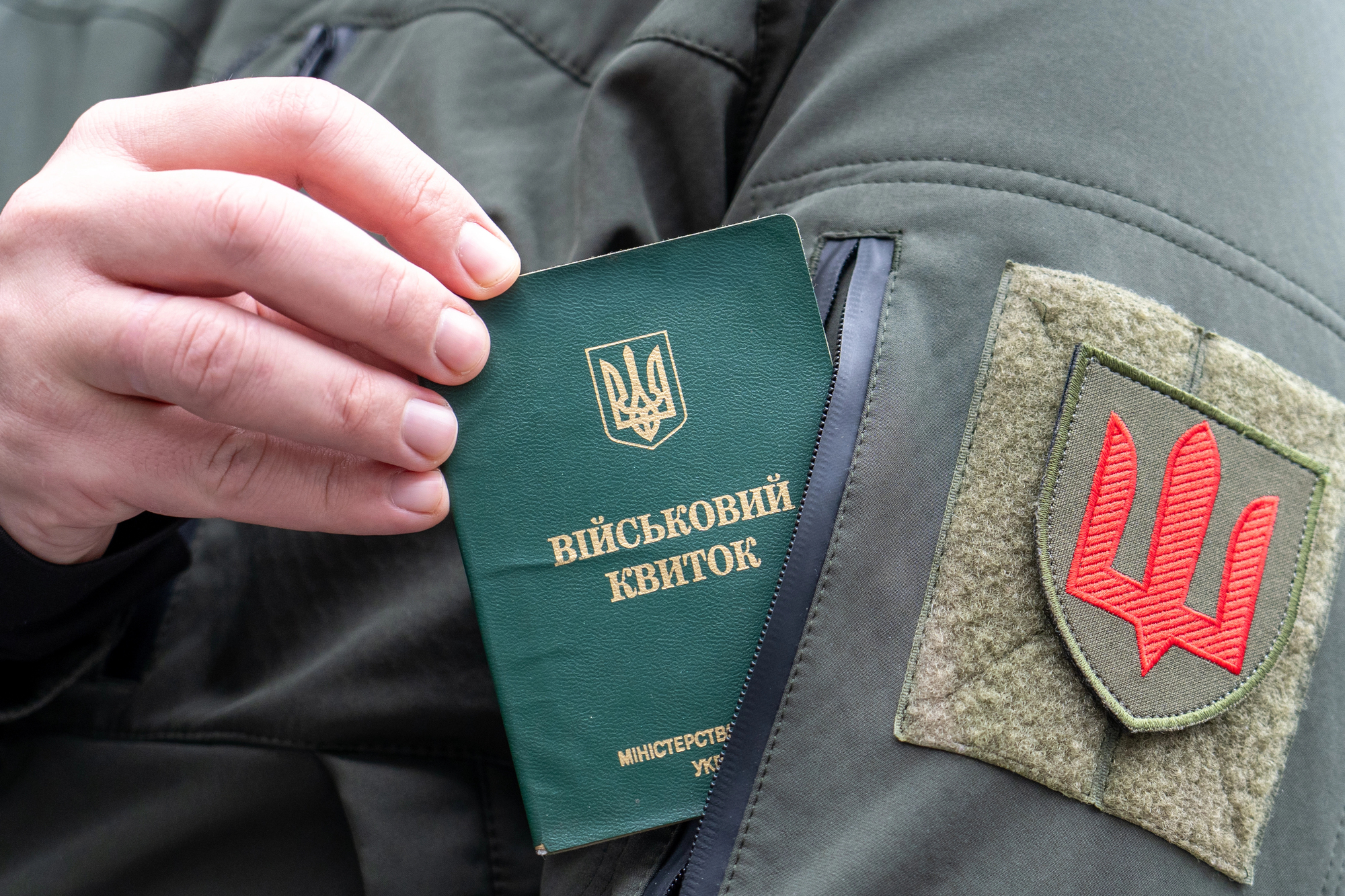
From February 24, 2022 to April 2026, more than 600 attacks on servicemen of territorial recruitment and social support centers have been recorded in Ukraine. Kharkiv region ranks first on this list: 59 documented cases only from the beginning of 2025 to April 9, 2026, according to the regional TCC and SSC in response to an information request from LIGA.net.
The curve is going up
The dynamics of the National Police's all-Ukrainian statistics show a sharp turning point: in 2022 — 5 incidents, in 2023 — 38, in 2024 — 118. In 2025 — already 341 cases, that is twice as many as during the first three years of full-scale invasion combined. Since the beginning of 2026 — over a hundred in just the first few months.
Among the all-Ukrainian leaders after Kharkiv region are Kyiv (53 cases) and Dnipropetrovsk region (44–45). Volyn, Lviv, Odesa, and Chernihiv regions — in the second wave.
What stands behind the numbers
The category of "attacks" encompasses a wide spectrum: resistance and obstruction, bodily injuries of varying degrees of severity, hooliganism, threats, property damage — up to assassination attempts and murders. Knife wounds are not an exception.
"Since the beginning of the full-scale invasion… as of April 12, 2026, 620 attacks have been recorded"
Kyiv Regional TCC and SSC, citing National Police data
The office of Ombudsman Dmytro Lubinets cites a somewhat different figure — 575 cases and four murders; the National Police confirms three deaths. The discrepancy in counting methodology has not been publicly explained to date.
Three dead and a sentence of 1,700 hryvnias
Three TCC servicemen died as a result of attacks: two in 2025, one in 2026. In the last week of April 2026, three attacks with severe consequences were recorded: in Lviv, a 52-year-old TCC serviceman died from a knife wound, in Vinnytsia a knife-wielding attacker wounded two servicemen, one of whom was hospitalized in intensive care.
Against this backdrop, the judicial response appears asymmetrical: the Industrivalnyi District Court of Dnipro sentenced one of the attackers to a fine of 1,700 hryvnias.
Systemic context
The Center for Countering Disinformation reports to "Ukrainska Pravda" that in recent months Russia has intensified its actions in the Ukrainian information space aimed at undermining mobilization — and attacks on TCC are receiving support and distribution in pro-Russian Telegram channels.
In parallel, the ombudsman's office is recording over 550 criminal proceedings against TCC servicemen themselves — for violations of citizens' rights during notification. The Ombudsman notes that certain actions by TCC employees exceed their legal authority — and this creates grounds for aggression from civilians.
"Situations are causing serious concern when TCC servicemen are actually detaining citizens, although the law directly does not grant them such authority"
Ombudsman Dmytro Lubinets, quoted by "Ukrainska Pravda"
The Verkhovna Rada in March 2025 supported in the first reading a draft law on criminal liability for TCC and MEC heads for violations of mobilization legislation. It never reached the second reading.
If criminal liability for attacks on servicemen remains symbolic — like a 1,700 hryvnia fine — and the draft law on TCC accountability gets stuck at the first reading stage, the growth in statistics in 2026 will continue: both sides of the conflict will receive a signal that rules do not apply.



