68 missiles and 430 drones: how air defenses withstood Russia's overnight strike and what it means for security
The overnight missile-and-drone strike was a test for Ukraine's air defenses and urban protection systems. We analyze what was destroyed, where the hits occurred, and why deliveries of Western systems and the development of domestic solutions have now become decisive.

By Tetiana Suchkova-Ladik
March 14, 2026 · 2 min read
Important
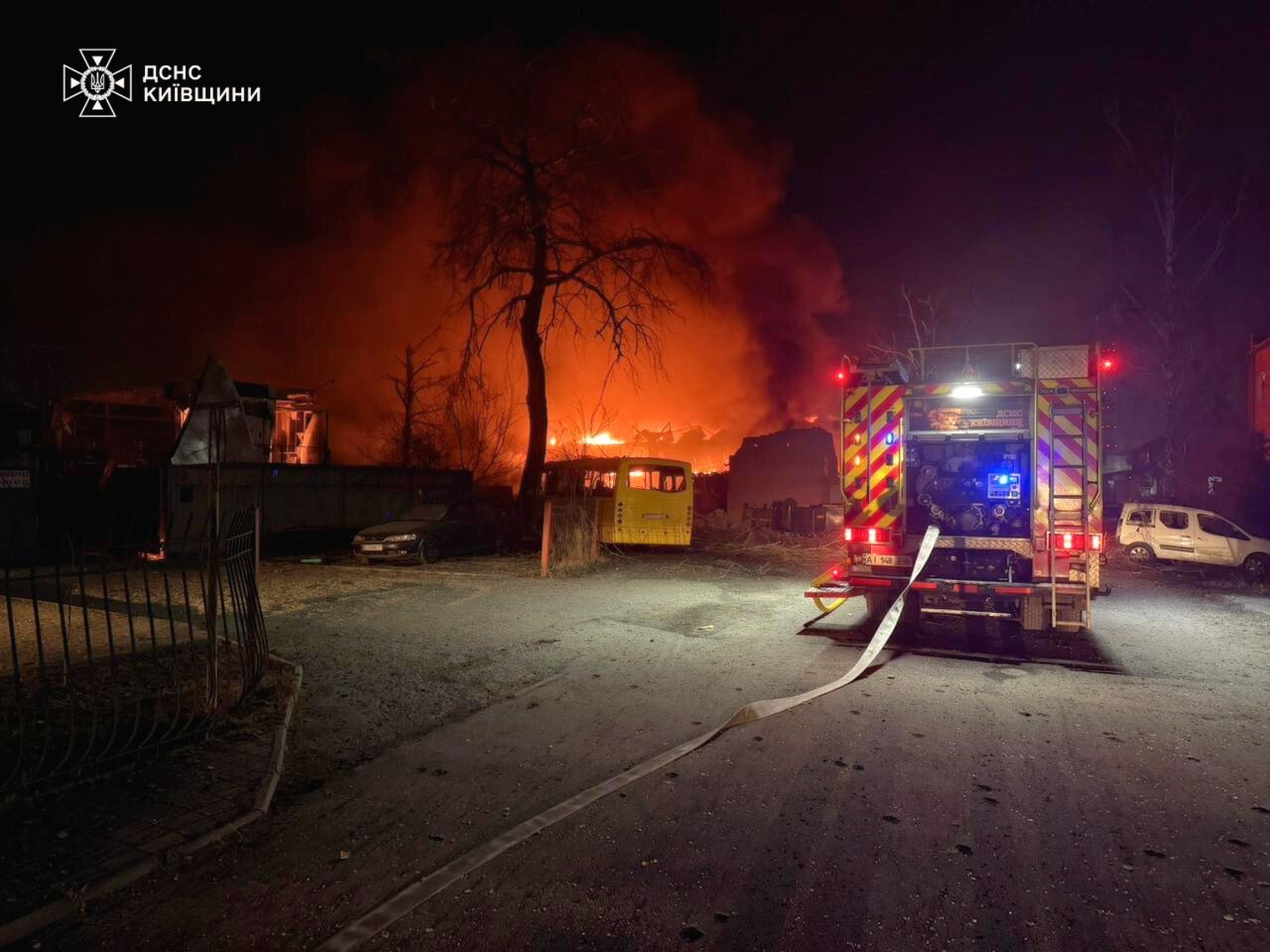
On the night of March 14, Russia carried out a massive strike: 68 missiles and 430 strike drones. According to the Air Force, air defense systems neutralized a total of 460 targets — including 58 missiles and 402 drones. This attack is not an isolated episode, but another test for Ukraine’s and its partners’ defense architecture.
Chronicle of the strike
The enemy reportedly launched various types of weapons: two anti-ship "Zircon" missiles, about 13 Iskander‑M/S‑400 ballistic missiles, 25 Kalibr cruise missiles, 24 Kh-101s, four guided aviation missiles Kh-59/69 and about 430 strike drones, of which roughly 250 were "Shaheds". The main direction of the attack was the Kyiv region.
Effectiveness of air defenses
As of the morning, reports indicate the neutralization of 58 missiles and 402 UAVs. At the same time, six missiles and 28 strike drones were recorded as having hit 11 locations; the falls of downed drones were noted in seven places. Information on four additional enemy missiles is being clarified.
"Air defense forces neutralized 58 missiles and over 400 drones — this is the result of the integrated work of air and missile defense units."
— Ukrainian Air Force
Civilian toll and context
As a result of the night attack, four people were reported killed and 15 wounded. This is a reminder that such massive strikes harm not only infrastructure but also people. Earlier incidents underline the pattern: on February 28 a Shahed fell near a residential building in Dnipro, and on March 7 a ballistic strike in Kharkiv took the lives of 10 people.
What this means for defense and politics
This attack demonstrates several important points. First, integrated air defense systems are functioning and destroy a large portion of the threats, but even minor hits have tragic consequences. Second, analysts note an undeniable need for additional long-range intercept systems and mass means of countering drones. Third, the existence of technological developments in Ukraine does not always mean their operational use at the front.
"An analogue of the Patriot system — 'Shershen' — has been developed but still has not been used on the battlefield; the issue lies in certification, logistics and integration with existing air defense assets."
— Bohdan Badrak, expert, LIGA.net
Brief conclusion
The night strike confirmed that Ukrainian air defense can reduce the intensity of attacks, but does not eliminate the risks entirely. To reduce threats, additional deliveries of Western systems are needed, accelerated integration of domestic developments, and larger-scale measures to counter drones. The question on the agenda is whether partners will be able to support these needs at a pace that matches the real threats?



