71% of Romanians in favor — but Moldova opposes: the asymmetry blocking reunification
# Survey: Record Support for Union Among Romanians, While Moldova Shows Opposite Trend An INSCOP Research poll registers record-high support for union among Romania's population. Meanwhile, the situation in Moldova presents the opposite picture — and this is precisely what makes these figures politically irrelevant without a Moldovan referendum.

By Tetiana Suchkova-Ladik
May 7, 2026 · 2 min read
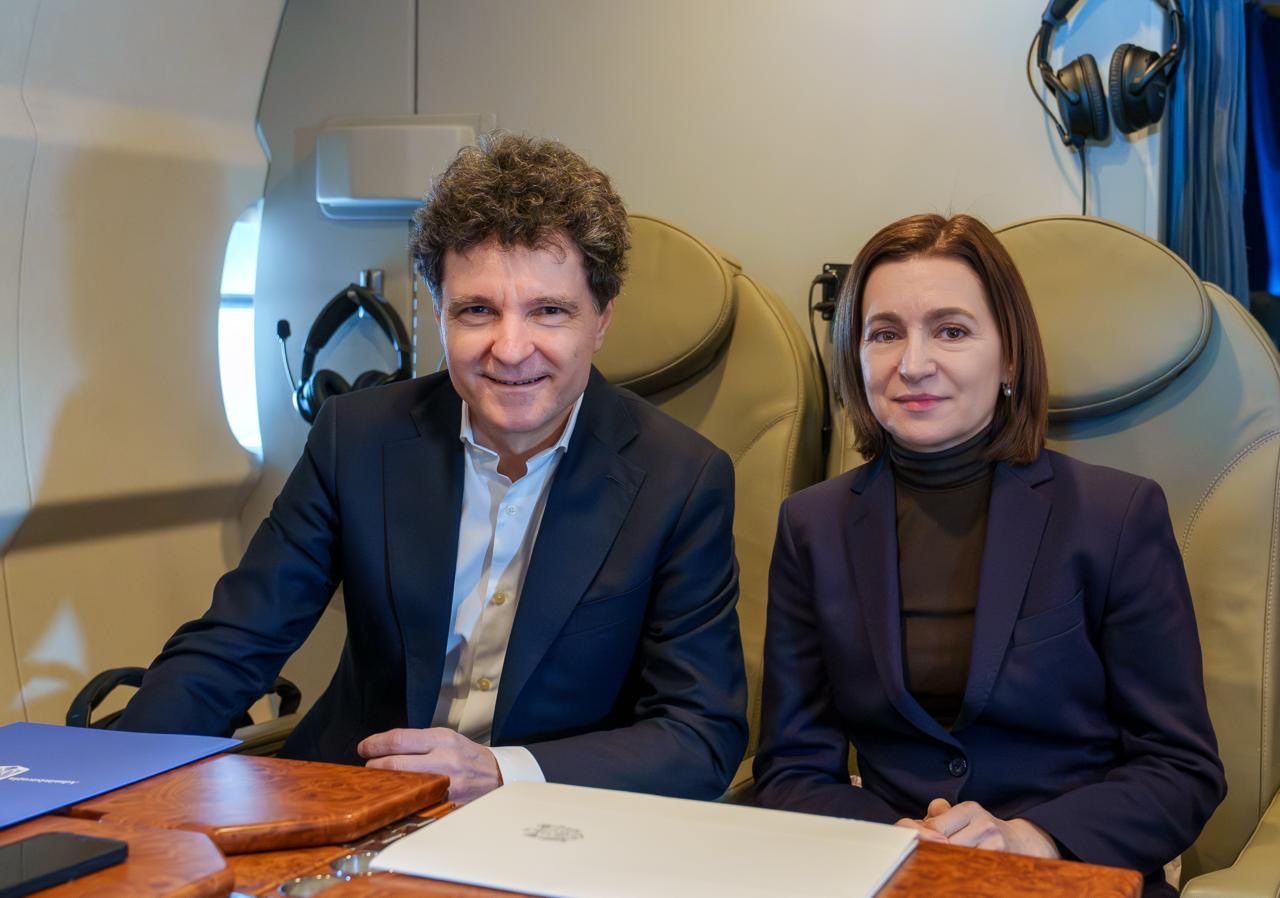
If Romania held a referendum today on reunification with Moldova, 71.9% of Romanians would vote "yes". This is the highest level of support recorded by the Informat.ro — INSCOP Research barometer. 21.4% opposed, with the rest undecided or abstaining.
Two-thirds of respondents called reunification a "historical obligation." But this figure itself is a mirror of Romanian identity, not a roadmap to union.
Moldova sees it differently
A parallel survey in Moldova itself paints the opposite picture. According to September 2025 data cited by President Maia Sandu, nearly 46% of Moldova's citizens oppose reunification, while slightly over 33% support it. Another 16–17% remain undecided.
"Our country is finding it increasingly difficult to survive independently"
— Maia Sandu, who personally stated she would vote for reunification
Sandu is an exception among the Moldovan majority, not its voice. And this is fundamental: a union is legally possible only with the support of both peoples.
Why is the gap so large
The asymmetry is explained by several factors:
- EU membership as an alternative. Over 50% of Moldovans support European integration — without union with Romania. For many, these are mutually exclusive paths, not synonyms.
- Fear of assimilation. Part of the Moldovan population, especially older generations, views separate statehood as an achievement, not a problem.
- Pro-Russian electorate. Approximately one-third of society is oriented toward Moscow — and any talk of union with Romania is a red line for this segment.
What changed in Romania
For comparison: in a January survey by the Center for Urban and Regional Sociology (CURS), support for union among Romanians was 56% — 16 percentage points lower than in the INSCOP barometer. The jump may be explained by different methodology or question wording, but the trend is unambiguous: Romanian society is becoming more unified.
Romania's President Nicolae Ciucă, elected in 2025, publicly supports bringing the two countries closer together — in particular, he confirmed cybersecurity assistance from Romanian intelligence services to Moldova during parliamentary elections. But the distance from cybersecurity to constitutional union cannot be bridged without the will of the Moldovan electorate.
The question is not whether Romanians want union — if support in Moldova remains below 40%, will any politician dare to put this question to an official referendum, risking a "no" on both sides of the border?



