€7.7 billion in two weeks: how the war in the Middle East boosted Russia's budget and what it means for Ukraine
After strikes on Iran, global oil prices soared, and Moscow managed to convert the energy turbulence into billions. We analyze the mechanics of the Kremlin's revenues and the risks they pose to our security and economy.

By Tetiana Suchkova-Ladik
March 19, 2026 · 2 min read
Brief — to the point
According to the Center for Research on Energy and Clean Air (CREA), Russia earned about €7.7 billion from fossil fuel exports in the first two weeks after the escalation in the Middle East. This phenomenon is the result of a simultaneous rise in oil prices and temporary easing of sanctions by the United States, which allowed the purchase of cargos already at sea.
Mechanics — how it happened
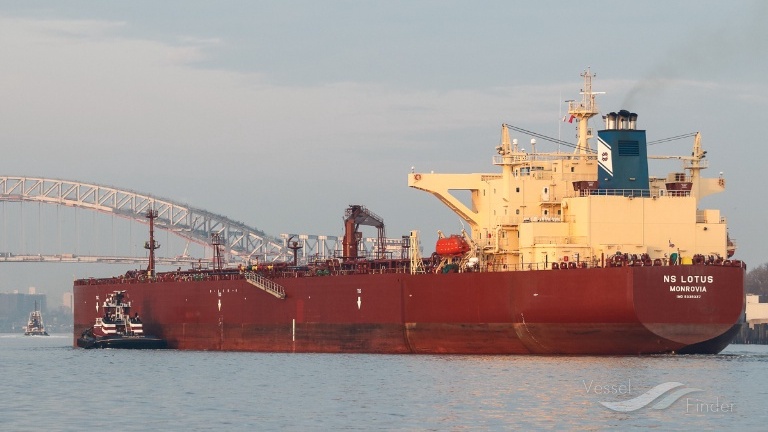
Strike operations by the United States and Israel pushed Brent above $119 per barrel. The higher price combined with the ability to quickly sell “floating” tankers—which previously had no buyers. CREA records that in the period 1–15 March Russia was receiving about €513 million per day from exports of oil, gas and coal—more than in February.
Buyers in Asia played a key role: CREA estimates that India and China account for about 75% of Russia's oil export revenues. India alone imported roughly €1.3 billion worth of Russian fuel in the first half of March.
"In the first two weeks after the escalation, Moscow was able to secure significant cash inflows thanks to the combination of high prices and demand for tanker deliveries."
— Center for Research on Energy and Clean Air (CREA)
Washington's policy and partners' reaction
The Wall Street Journal and Euronews emphasize: part of the increased shipments became possible thanks to temporary US authorizations—30 days for cargos already at sea, as well as preferential treatment for India. The US justified the decision as a measure to stabilize global markets, but in Europe it provoked criticism: EU leaders insist on maintaining pressure from sanctions on the Kremlin.
What this means for Ukraine
Higher revenues for the Kremlin imply two real threats: first, the additional funds can partially offset budget shortfalls and feed the war machine; second, greater resources come with the risk of prolonging Russia's logistical autonomy at sea—through an increase in tankers under the Russian flag, as reported by the Ukrainian Foreign Intelligence Service.
At the same time, LIGA.net and experts note: the depletion of US arsenals due to new fronts in the Middle East creates for us both risks and an incentive—to speed up the development of our own defense industry and the logistics of supplies.
"Temporary easing of sanctions and rising prices give the Kremlin room to maneuver—this can shift the burden of the war onto those who support Ukraine with weapons deliveries."
— Assessment by Ukrainian analysts and open sources
Conclusions and what to do next
This wave of Moscow's revenues is not just a statistic. It is a signal: sanction regimes need to be tightened in areas that regulate maritime operations and the ‘shadow fleet,’ strengthen control over cargo transfers and close loopholes in export exemptions. At the same time, Ukraine should accelerate diversification of sources for defensive materiel and invest in its own industrial resilience.
Question for partners: are they ready to close operational gaps in the sanctions and coordinate maritime monitoring so that the Kremlin's earnings do not turn into funding for the next stages of aggression?



