85 Sanctioned Targets and £1.2 Million: Britain and Canada Synchronized with Brussels Not by Accident
On May 11 in Brussels, the International Coalition for the Return of Ukrainian Children convened — and that very day London and Ottawa announced new sanctions. This was no coincidence, but a coordinated diplomatic action with specific names, figures, and financial measures.

By Tetiana Suchkova-Ladik
May 11, 2026 · 2 min read
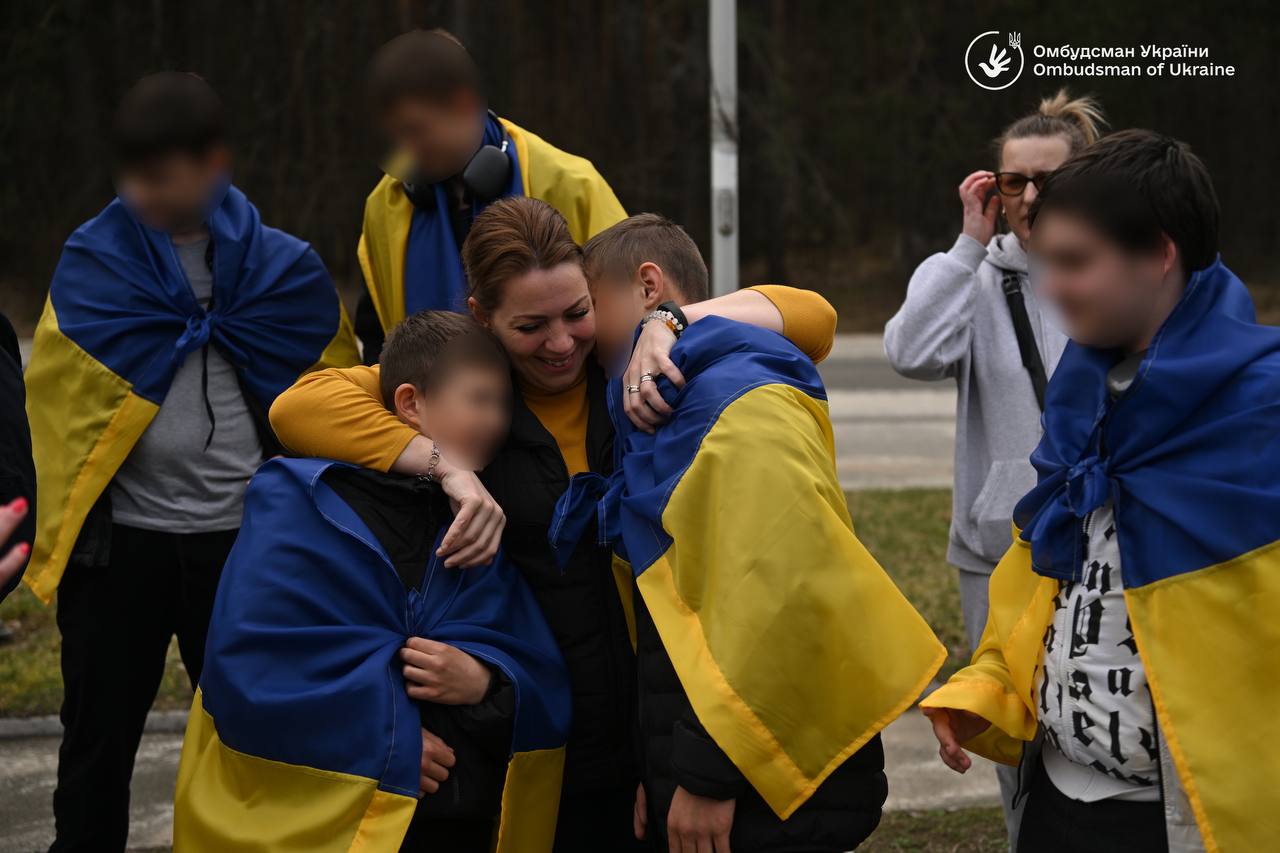
While Brussels hosted a meeting of the International Coalition for the Return of Ukrainian Children on May 11, London and Ottawa simultaneously published sanctions lists. The synchronization was intentional: the United Kingdom and Canada are co-chairs of the coalition alongside Ukraine, and the sanctions became a public signal to the meeting rather than its consequence.
Who was sanctioned and why it matters
Britain added 85 individuals and organizations to its lists, of which 29 are directly linked to the deportation and militarization of children, while another 56 are connected to Kremlin disinformation campaigns. Among specific targets is the so-called "School of Warriors" (Center for Military-Sports Training and Patriotic Education of Youth), which according to the British government maintains a network of facilities throughout Russia and occupied territories of Ukraine. There, children undergo military training and indoctrination in pro-Kremlin ideology.
Yulia Velichko, the so-called "minister of youth policy" of the self-proclaimed "LNR," was personally sanctioned. She is accused of systematically implementing deportation programs, including issuing Russian passports to children from occupied territories.
Canada added 23 individuals and five organizations to its own sanctions list, calling the forced displacement of children a "serious violation of international humanitarian law."
Money for a mechanism that is still lacking
Alongside the sanctions, London announced an allocation of £1.2 million (over $1.5 million) to fund the Verification Center and the Tracking Mechanism—structures designed to identify and locate deported children. This is fundamental: international sanctions punish specific perpetrators, but returning children requires a separate infrastructure for searching—and this is precisely what has been critically lacking.
"Today's sanctions are a decisive step to expose and undermine Russia's willingness to destroy Ukraine's future through the abhorrent deportation and indoctrination of children"
— British Foreign Secretary Yvette Cooper
The scale of the problem in numbers
- More than 20,000 Ukrainian children have been forcibly taken to Russia or within occupied territories
- Approximately 6,000 of them have ended up in "re-education" camps where their Ukrainian identity is being eradicated
- The International Coalition now unites 47 countries and international organizations, launched in Kyiv in February 2024
A coalition without a mechanism for return
The coalition, co-chaired by Canada and Ukraine since 2024, with the EU joining as a full member, coordinates diplomatic, humanitarian, and legal pressure. But not a single child will return home solely from sanctions against "LNR" officials. The key question remains unanswered: if Russia does not comply with the ICC's requirement to arrest Putin and Lvova-Belova and bring them to court—will the coalition move beyond sanctions and monitoring to direct diplomatic ultimatums capable of actually changing Moscow's behavior?



