90% of Ukrainians oppose elections during the war — Zelensky names condition for voting
President in an interview with Politico: most are against voting under fire, but the country is ready for elections provided a two- to three-month ceasefire and security guarantees from partners. Why this matters for the front, the diaspora, and international legitimacy — we examine the facts.

By Tetiana Suchkova-Ladik
February 15, 2026 · 2 min read
Data and main statement
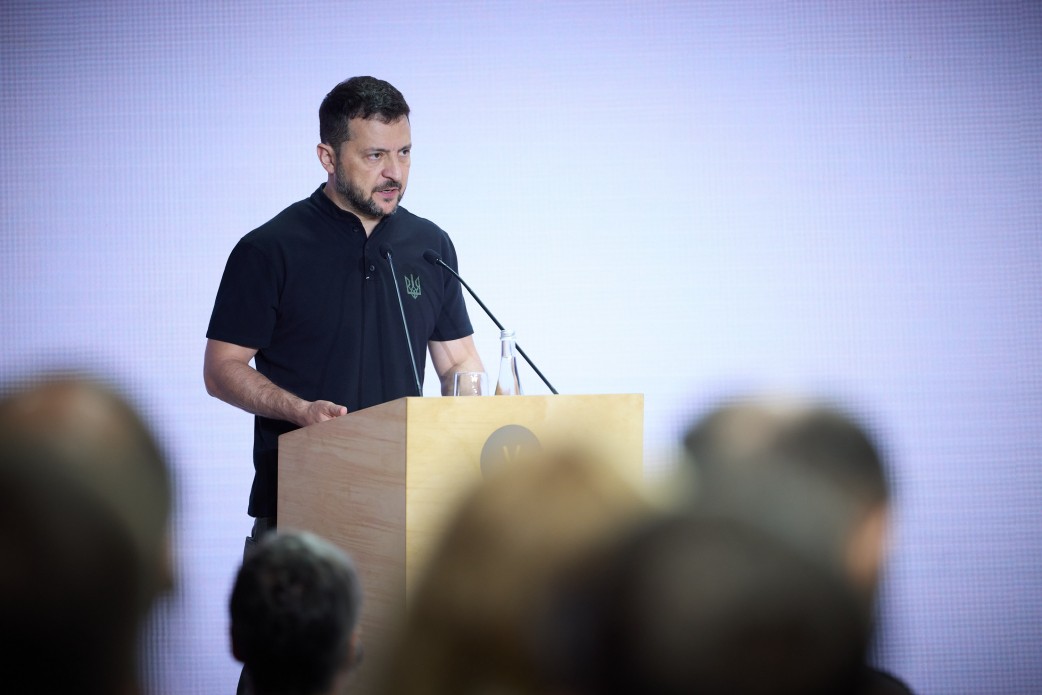
In an interview with Politico, President Volodymyr Zelensky said that about 90% of Ukrainians do not support the idea of holding elections during a full-scale war. He used that figure to underscore that voting under fire does not meet citizens' expectations for safety and legitimacy of the process.
"If anyone is curious what Ukrainians think, 90% are against it, because they understand how terrible it is — how to hold elections now, during the war, under shelling."
— Volodymyr Zelensky, President of Ukraine
Conditions named by the president
Zelensky allowed for the possibility of holding elections not after a complete victory, but during a temporary ceasefire — provided that partners deliver reliable guarantees of security. He also stressed the need for changes to the legislation that currently prohibits elections in the context of a full-scale war: parliament could adopt such amendments if appropriate guarantees are in place.
At the same time, key practical questions remain: how to ensure the voting of servicemembers at the front and of more than 8 million Ukrainians who live abroad. Without clear logistics and international agreements, even a temporary ceasefire does not resolve the problem of access to voting.
International context and reactions
The initiative is closely tied to diplomatic dynamics: on December 9, 2025, Donald Trump, presenting his peace plan, said that in Ukraine "the time has come to hold elections." Zelensky replied that he is always ready for elections — but places on American and other partners the responsibility for creating safe conditions.
- December 9, 2025 — Donald Trump expressed the view that it would be appropriate to hold elections in Ukraine during negotiations over a peace plan.
- Volodymyr Zelensky's reaction: readiness to consider elections provided security guarantees from partners.
- February 14, 2026 — the President of the European Parliament strongly criticized the idea of holding elections during a war, calling it "a cynical scenario."
"This is a cynical scenario."
— President of the European Parliament
Analysis: why this matters for Ukraine
The decision to hold elections during a war is not just a formal procedure. It concerns legitimacy, international recognition of results, and internal stability. The political capital that partners spend on guarantees will be a direct indicator of their willingness to continue supporting Ukraine.
Political analysts note that even a two- to three-month truce requires extensive preparatory work — monitoring, security guarantees, voting mechanisms for mobilized personnel and the diaspora. Without this, any vote risks being called into question.
Conclusion
Zelensky's statement frames it clearly: Ukraine is ready for elections only if international partners provide real security guarantees and logistical support. The key question now falls to the allies — will they turn diplomatic declarations into concrete guarantees that make voting safe and legitimate for millions of Ukrainians?



