Abu Dhabi: Trilateral dialogue leaves political questions unresolved — what it means for Ukraine
The two-day talks between Ukraine, the United States and Russia in the UAE were the first major tripartite format in a long time. We break down what was discussed, which issues remain unresolved, and how this threatens or helps Ukraine now.

By Tetiana Suchkova-Ladik
January 26, 2026 · 2 min read
What happened
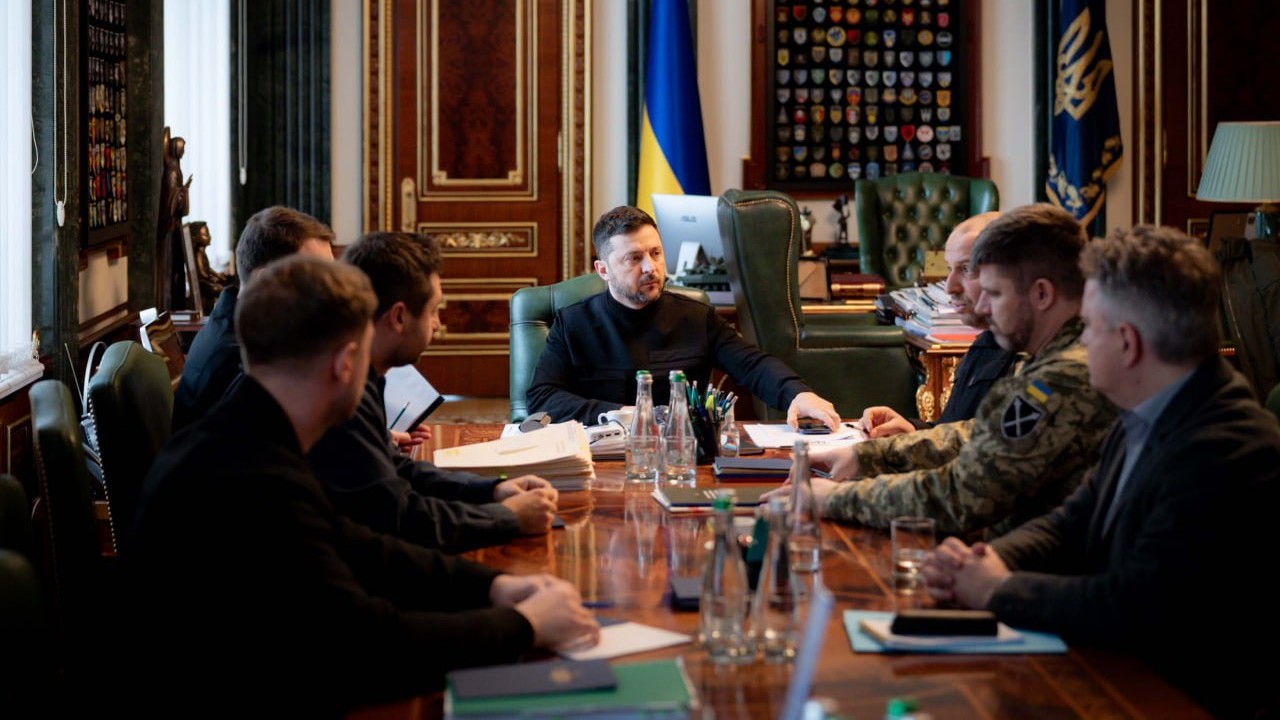
On January 23–24, two-day talks were held in Abu Dhabi with delegations from Ukraine, Russia and the United States. Following the meetings, President Volodymyr Zelensky said that the discussions covered a wide range of topics — above all the military parameters for ending the war, as well as a number of complex political issues that remain unresolved.
“This was the first in a long time trilateral format of dialogue aimed at ending the war. The meetings discussed a range of substantive issues, primarily military ones, which are needed to end the war. We also spoke about difficult political questions that are still not resolved.”
— Volodymyr Zelensky, President of Ukraine
Positions of the parties
Kyiv confirmed its unchanged position regarding territorial integrity and Ukraine’s right to defend its sovereignty. The President stressed that Kyiv and Moscow have fundamentally different approaches, while the American side is trying to find a possible compromise.
According to agencies, there was also a meeting in the UAE between representatives of Kyiv and Moscow “without Americans in the room” (Axios), and anonymous American officials told CNN that the talks “exceeded expectations.” U.S. special envoy Steve Witkoff reported that the negotiations focused on several key issues (Reuters).
Why this matters for Ukraine
First, the trilateral format itself carries weight: when Kyiv, Moscow and Washington are involved in talks, the likelihood increases that any agreements will have international mechanisms for implementation. Second, key political questions remain unresolved, which means diplomacy does not immediately translate into peace guarantees — until Moscow changes its readiness for concrete steps, risks on the front line remain.
Next steps
Zelensky announced new trilateral meetings for the current week; the U.S. special envoy and unnamed officials also suggested the dialogue in the UAE may continue (a February 1 date was mentioned). This indicates the negotiation process could become periodic — but outcomes will depend not on the formats themselves, but on the parties’ willingness to compromise and on how well Ukraine’s partners can provide real guarantees.
Brief conclusion
The talks in Abu Dhabi are an important signal: diplomacy is restoring interaction between capitals, and international mediators are stepping up. However, painful political questions remain on the table. For Ukraine, the key task is to turn these meetings into clear security guarantees and back into practical steps that can strengthen resilience at the front and provide long-term protection of territorial integrity.
Sources: speech by the President of Ukraine; Reuters, Axios, CNN (anonymous officials and U.S. special envoy Steve Witkoff)



