Lawyer Shevchuk on the SAP selection committee: how it happened and what could change
Putting emotions aside and analyzing the facts: the Council of Prosecutors explained why Oleksiy Shevchuk was chosen for the commission that will select administrative staff for the Specialized Anti‑Corruption Prosecutor’s Office — and what risks and control mechanisms this opens up for the system.

By Tetiana Suchkova-Ladik
January 26, 2026 · 3 min read
What happened
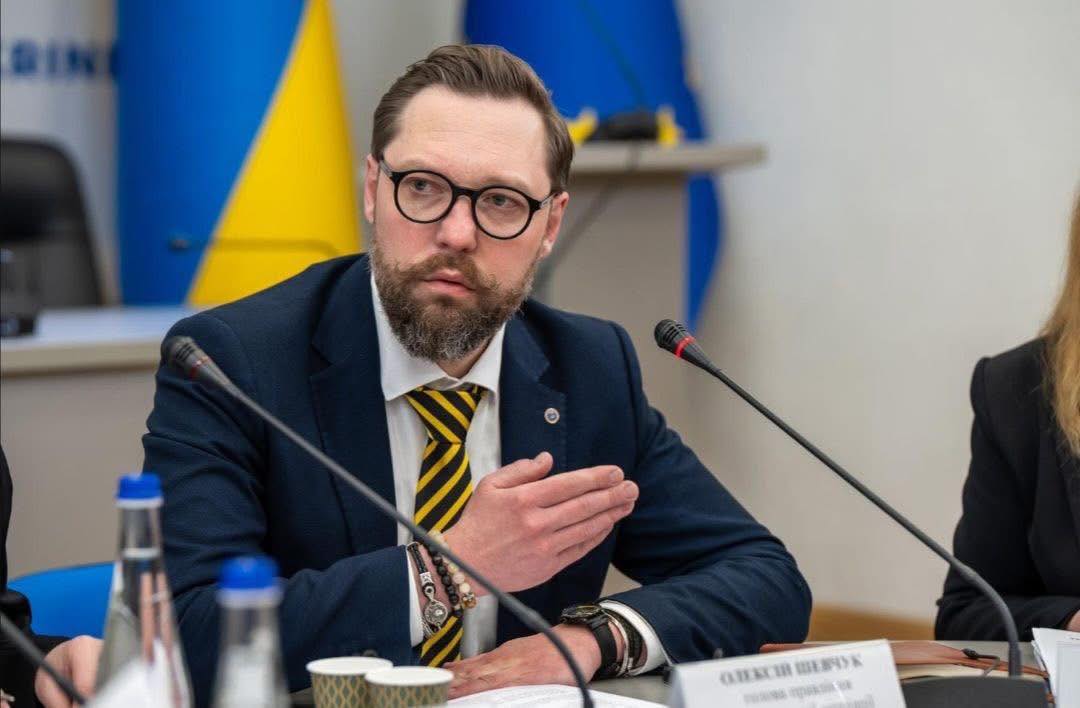
The Prosecutors' Council, in an explanation, confirmed: lawyer Oleksiy Shevchuk became a member of the selection commission for administrative positions in the Specialized Anti‑Corruption Prosecutor's Office because, after one candidate withdrew, he remained the only contender who met the legal requirements.
"as he was the only candidate who met the requirements of the law."
— Prosecutors' Council
Timeline of important decisions
On 28 November 2025 the Prosecutors' Council announced the start of the selection for the commission and approved recommendations for preparing documents. By the deadline documents were submitted by four people (three from the prosecutor's office and one lawyer); all were admitted and passed interviews.
On 9 December the Council proposed that Prosecutor General Ruslan Kravchenko appoint three employees of the prosecutorial bodies. However, one of the candidates on 18 December submitted a statement withdrawing from the competition — the Council granted that request and notified the Prosecutor General's Office.
Due to an insufficient number of candidates and the need to meet statutory deadlines, the Prosecutor General appointed lawyer Shevchuk as a member of the commission — the only one among those submitted who met the requirements.
Legal mechanism and safeguards
The Prosecutors' Council emphasizes: the powers of a member of the selection commission may be terminated early for specific reasons — among them:
- a personal statement requesting termination of powers;
- a prolonged inability to participate in meetings for health reasons (more than one month);
- a commission decision to terminate powers early in accordance with its regulations;
- a conviction that has entered into legal force;
Only if one of these grounds exists does the Prosecutor General have the right to replace a commission member.
Context and risks
The situation matters not because of personalities, but because of trust in the selection process of the body tasked with investigating the most high‑profile corruption cases. At present the full composition of the commission has not been formed — three representatives from international and foreign organizations are missing, which in theory creates room for doubts about the transparency of the process and heightens public interest.
At the same time, the law provides criteria for early termination of powers, so the risks are framed legally rather than only politically. Experts note that such cases underscore the need for greater involvement of international partners in forming commissions.
Briefly about Shevchuk
Oleksiy Shevchuk is a partner at the law firm Barristers. His biography includes defenses in high‑profile criminal proceedings (clients mentioned include Hennadiy Korban, Illia Kiva, Oleksandr Onyshchenko, Yaroslav Dubnevych, Judge Artur Yemelyanov). On 17 February 2023 the Qualification and Disciplinary Commission of the Kyiv Region Bar temporarily (for three months) revoked his certificate for violating attorney ethics in a case concerning colleague Masi Nayem.
The appointment sparked criticism on social media; Shevchuk himself spoke of "manipulations around him" and initiated lawsuits to protect his honor and business reputation against certain critics.
What next
The practical conclusion is this: the Prosecutor General's decision was made within the procedures available to him — due to the absence of other admitted candidates and the requirement to meet selection deadlines. At the same time, the incomplete formation of the commission (especially the lack of international members) increases the importance of transparency and monitoring of the process by the public and partners. The next step is whether the commission will be supported by a composition that includes international representatives, and whether the work will proceed according to plan without obstacles.
"Now the move is up to the partners: declarations and promises must turn into formal procedures and measured personnel decisions."
— analytical comment



