American Security Guarantees for Ukraine: Why Paper Without an Enforcement Mechanism Is Worth Nothing
European officials acknowledge: Kyiv is right to doubt the reality of US support. The precedent of the Budapest Memorandum is already embedded in any negotiations.

By Tetiana Suchkova-Ladik
April 9, 2026 · 2 min read
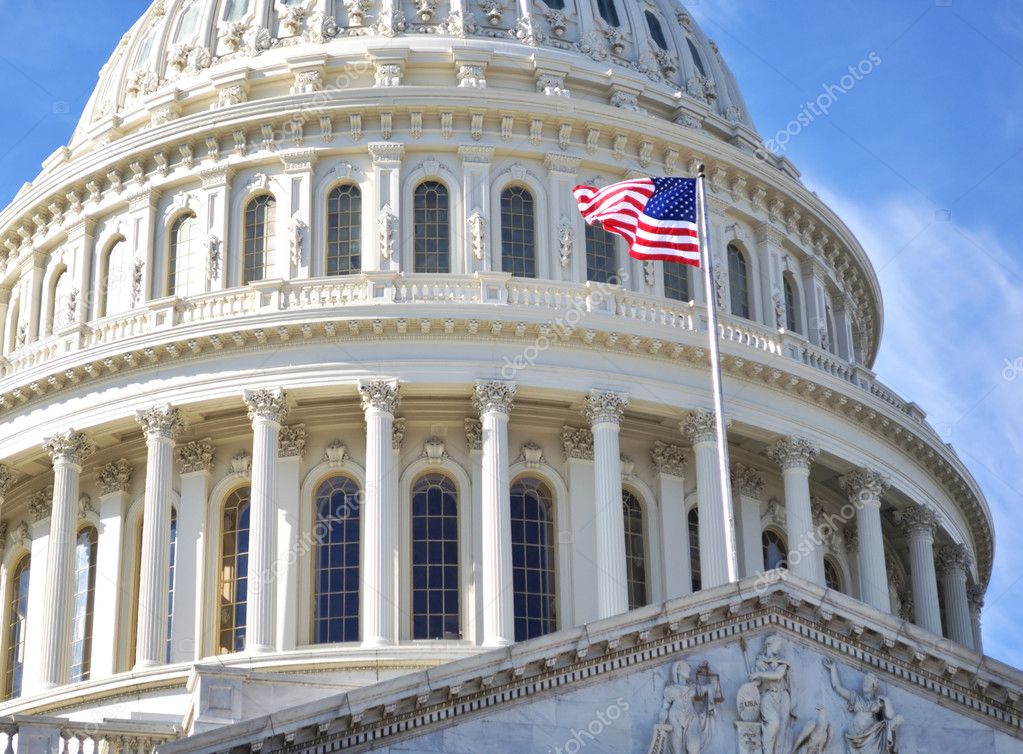
When Trump called the war in Ukraine "not ours" and openly questioned NATO commitments, two anonymous European officials told The Guardian what had previously remained behind closed doors.
"Ukraine rightfully doubts whether these American security guarantees really mean anything."
Anonymous European official, The Guardian
This is not rhetoric — it is a diagnosis of the problem underlying any future peace agreements.
Paper without a mechanism — this is Budapest-2
In 1994, Ukraine surrendered its nuclear arsenal in exchange for "assurances" about territorial integrity. The memorandum was signed by the USA, Great Britain, and Russia — without any binding enforcement mechanism. Thirty years later, this precedent is embedded in every discussion about new guarantees.
Analysts at the Royal United Services Institute (RUSI) have documented that security agreements concluded by Ukraine with 28 states as of January 2025 — including Great Britain, France, and Germany — were deliberately not ratified by parliaments to expedite signing. This means: governments can withdraw from them without legislative consequences.
What the USA is offering — and why it's not NATO
In December 2025, the Trump administration presented a package of guarantees "similar to Article 5" of the NATO Charter. According to CNN, American officials called it "the most powerful set of security protocols they had ever seen" — but immediately warned: this offer will not be on the table forever.
The Economist characterized these guarantees as "second-rate" — far from full NATO membership. Steven Wertheim of the Carnegie Endowment for International Peace went further:
"US security guarantees risk promising too much to be credible."
Steven Wertheim, Carnegie Endowment for International Peace, December 2025
His argument is specific: deterrence depends on trust, and the American consensus — from Biden to Trump — is that the USA will not go to war with Russia over Ukraine. No document changes this consensus.
Why a "neutral arbiter" is not a guarantor
Carnegie Europe analysts have documented a fundamental shift in Washington's position: the Trump administration is positioning itself as an independent mediator, not as a NATO ally. This means that any guarantees come not from a state that shares strategic interests with Ukraine, but from a party primarily interested in "making a deal."
Polish Foreign Minister Radosław Sikorski formulated it differently: Ukraine's problem is not the absence of guarantees, but that they are not honored. The Washington Post notes: at a NATO foreign ministers meeting in Brussels in December 2025, there was neither a plan nor Secretary of State Rubio in the room.
- The USA offers guarantees without an enforcement mechanism
- Bilateral agreements with 28 countries have not been ratified by parliaments
- Trump publicly distances himself from NATO and from the war itself
- The Budapest precedent: "assurances" without obligations did not work
If a peace agreement is signed without a verified enforcement mechanism — who and how will respond to the next violation? The answer to this question will determine whether new guarantees become a document of deterrence or another piece of paper for the museum of diplomatic failures.



