The Army — the Shield of Ukraine: 2025 Review and New Year's Addresses by Syrskyi and Maliuk
The Commander-in-Chief of the Ukrainian Armed Forces and the head of the SBU reviewed the year: from the declared 420,000 neutralized occupiers to Operation "Pavutyna". Why these conclusions matter for security and future peace negotiations.

By Tetiana Suchkova-Ladik
December 31, 2025 · 3 min read
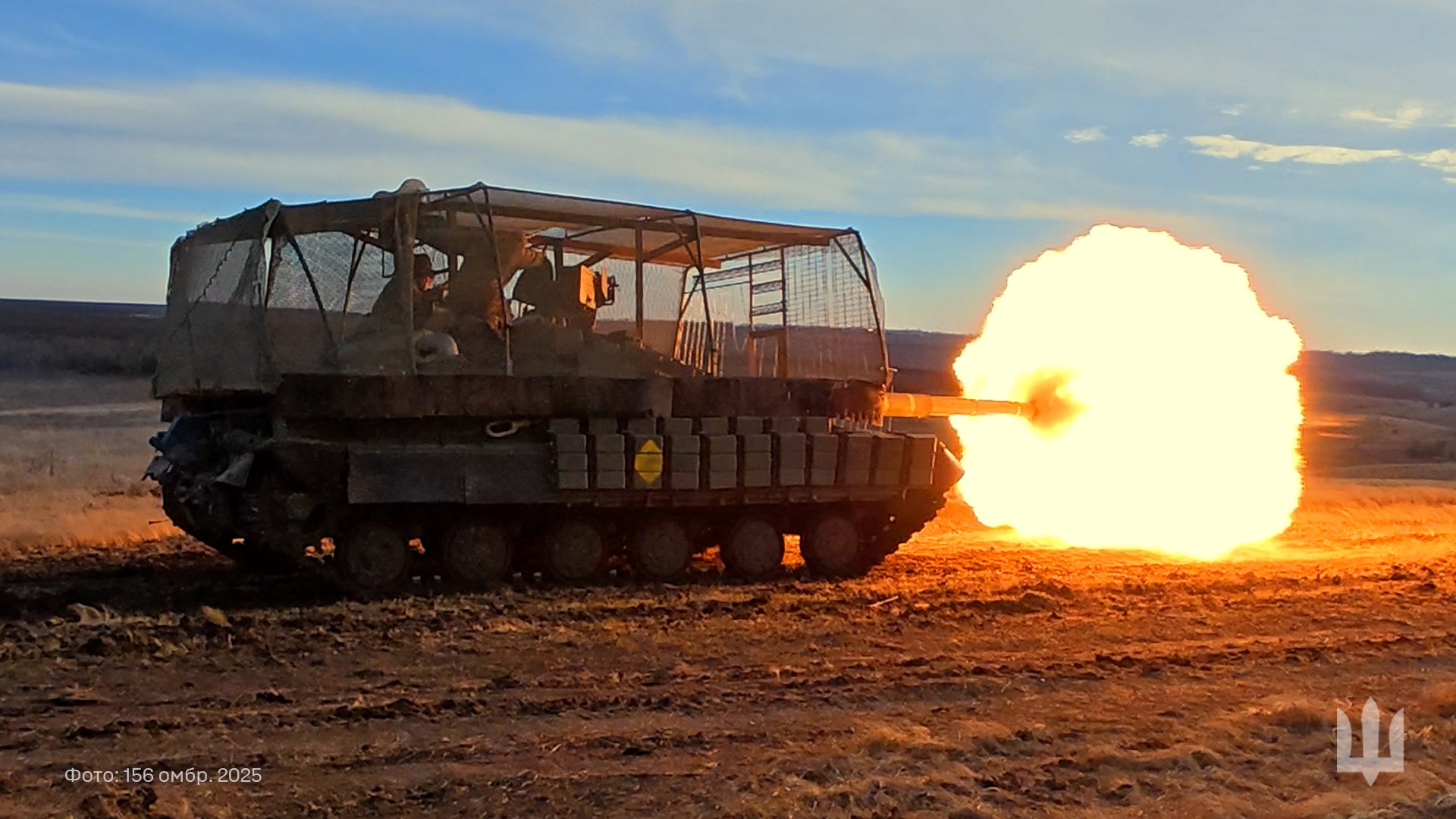
New Year messages in the context of combat results
The Commander-in-Chief of the Armed Forces of Ukraine Oleksandr Syrskyi and the head of the Security Service of Ukraine Vasyl Malyuk addressed citizens on the eve of the New Year and Christmas. Their greetings combined festive wishes with an assessment of military achievements in 2025 and an emphasis on society’s main desire — a just and lasting peace.
Numbers and arguments
Syrskyi emphasized that today Ukraine has one of the strongest and most experienced armies in the world. As an argument he cited a figure — almost 420,000 neutralized Russian occupiers in 2025 — and stated that this demonstrates the AFU’s ability to hold the line and strike where the enemy considered itself safe.
He also singled out the role of modern technologies and long-range strikes, which, he said, daily weaken the “aggressor’s war machine” and reduce Russia’s readiness to continue the war against Ukraine.
"This year we proved to the enemy and to the whole world a simple truth. Our strongest argument is the Armed Forces of Ukraine. An army that holds the line against a superior adversary and is able to hit it where it thought itself unreachable."
— Oleksandr Syrskyi, Commander-in-Chief of the AFU
Role of the SBU and key operations
SBU Head Vasyl Malyuk noted 2025 as a year of intense internal and external resistance to the aggressor. He listed a number of high-profile operations: operation "Pavutyna", the striking of 41 aircraft of Russia’s strategic aviation, the third explosion of the Kerch Bridge in occupied Crimea, and the striking of a submarine in the port of Novorossiysk. According to him, part of these successes is the result of counterintelligence and special units’ work.
Malyuk also stated that "every sixth tank hit on the front is credited to the SBU" — underscoring the security service’s role on the internal front, which concerns not only counter-sabotage but also targeted strikes on the enemy’s logistics and equipment.
"These are 12 months of desperate fighting on the line of contact, where our fighters turn the occupiers’ equipment into scrap... 365 days of resisting the invaders on the internal front. The 'rashists' wanted to break through our defenses on the battlefield and inside the state. However, we did not allow them to do so."
— Vasyl Malyuk, Head of the SBU
Political and societal context
The President of Ukraine on December 24 also congratulated citizens on Christmas and noted that the society’s most cherished wish is peace. The statements by the military command and the security service stress: peace must be just, and achieving it requires maintaining operational advantage on the battlefield and strengthening internal security.
What do these conclusions mean for Ukrainians and partners?
First, the announced achievements form not only a moral but also a strategic argument — they affect Ukraine’s negotiating position and partners’ willingness to continue support. Second, successes are measured not only by figures of destroyed equipment but also by the ability to preserve combat capability, logistics, and technological advantage.
Experts point out that to avoid losing momentum, steady supplies, training, and integration of new systems into combat units are required. Without this, even impressive operational results risk becoming a temporary factor.
Conclusion
The 2025 results announced by Syrskyi and Malyuk provide grounds to speak of a significant strengthening of defense capability. But whether this will be enough to consolidate the advantage depends on the resilience of the rear, international support, and the ability to turn tactical successes into a strategic result. The question remains open: will we be able to consolidate this dynamic in the coming year?



