Associated NATO Membership: What Merz is Proposing and Why Kyiv Hasn't Responded Yet
Berlin has proposed a concept of "associated" status for Ukraine in the Alliance. Sybiga confirmed: negotiations are ongoing, but the outcome remains open.

By Tetiana Suchkova-Ladik
May 22, 2026 · 1 min read
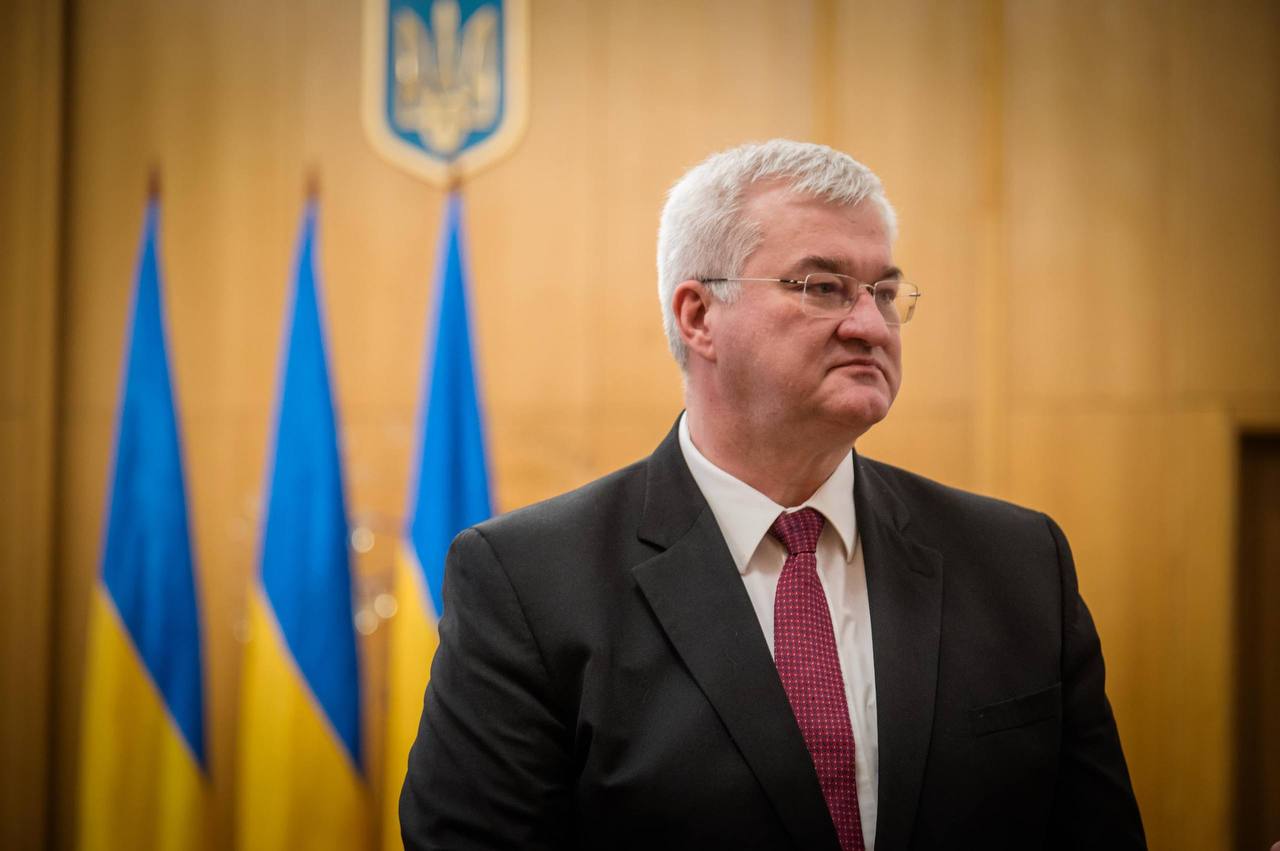
Ukraine's Foreign Minister Andrii Sybiha confirmed that discussions of German Chancellor Friedrich Merz's proposal for Ukraine's so-called "associated" membership in NATO are in an active phase. Zelensky will discuss it with allies personally in the near future.
The concept itself has no publicly fixed content so far: neither Berlin nor Brussels have disclosed what exactly "associated" status means — what security guarantees it provides, whether Article 5 is activated, and how it differs from the current candidate country status that Ukraine received in 2022.
This is the real conflict of the situation: the term sounds like a step forward, but without an obligation mechanism, it could turn out to be a step sideways. Kyiv remembers well the experience of the Budapest Memorandum — when signatures existed, but there was no enforcement mechanism.
At the same time, the proposal has internal logic for Berlin. Merz is seeking a formula that will strengthen Ukraine's position in negotiations while not provoking escalation from Moscow, which traditionally views any rapprochement of Kyiv toward the Alliance as a red line.
According to Sybiha, the Ukrainian side does not reject the idea but will not agree to vague wording. According to Reuters, the discussion extends beyond bilateral Kyiv-Berlin contacts and involves a broader circle of allies.
The question that will determine the real weight of the proposal: will the final text include a specific mechanism for responding to security breaches — or will this again be a declaration without an enforcement tool?



