Attack on Kyiv: half a million households without power and over 40% of homes affected — how infrastructure is being restored
After the overnight strikes on December 27, Kyiv was left facing widespread electricity and heating outages. What this means for the winter, what has already been done and what to expect — succinctly and with practical emphasis.

By Oleg Bazylewicz
December 27, 2025 · 2 min read
What happened
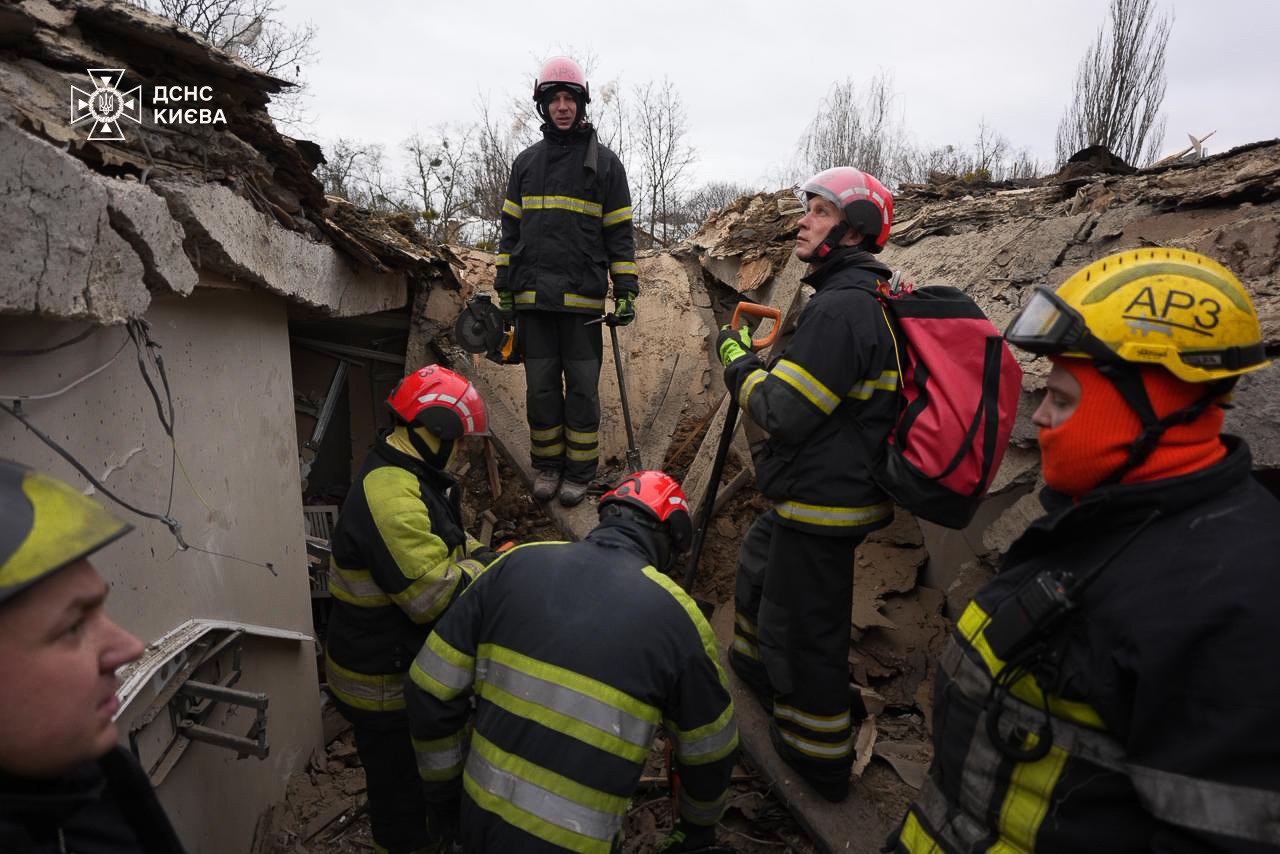
According to Vice Prime Minister for Restoration Oleksii Kuleba and the press service of DTEK, as a result of a massive attack on the night of December 27 about 500,000 families in Kyiv were left without power, and more than 40% of the capital’s residential buildings and part of the Obukhiv district are without centralized heating. One person was killed in the strikes and another 32 were injured.
Recovery operation
Specialists have already restored water supply in the city and region, alternative power sources have been partially deployed, and system restarts are underway. Energy services are working in order of priority — first critical infrastructure: hospitals, water utilities, transport hubs.
“The enemy is deliberately striking civilian infrastructure, trying to deprive people of basic living conditions during the cold winter period.”
— Oleksii Kuleba, Vice Prime Minister for Restoration of Ukraine, Minister for Development of Communities and Territories
“First of all, we are trying to restore power to transport and water utility infrastructure.”
— Press service of DTEK
What this means for Kyiv residents
In the short term — cold apartments, disruptions to transport and services, increased vulnerability of the elderly and those who rely on continuous medical equipment. Practically: follow official alert channels, conserve electricity, check on elderly neighbors and report critical needs via 101/102 or local aid headquarters.
Risks and expected timelines
Repair work is complicated by the threat of repeated drone strikes — this affects the mobilization of equipment and the safety of repair crews. Therefore restoration of power will proceed in stages: first critical infrastructure, then key residential areas. According to the services, supply pressure and network stabilization will occur gradually, but exact timelines depend on the security situation and the extent of the damage.
Analytical summary
This is not only a technical problem — it is a test of the ability of systems to respond quickly under attack on civilian infrastructure. The effectiveness of recovery will determine not only comfort during the winter days, but also confidence in the state’s and businesses’ ability to provide basic services under pressure. Whether current emergency repairs will turn into a long-term strategy for infrastructure resilience is the key question for the coming weeks.



