Attack on Greater Odesa Port: Grain Infrastructure Damaged — What This Means for Exports
The Ukrainian Sea Ports Authority (AMPU) reports a strike on a terminal and damage to a grain gallery. We examine why this matters for logistics, security and Ukraine's agricultural exports.

By Tetiana Suchkova-Ladik
March 28, 2026 · 2 min read
What happened
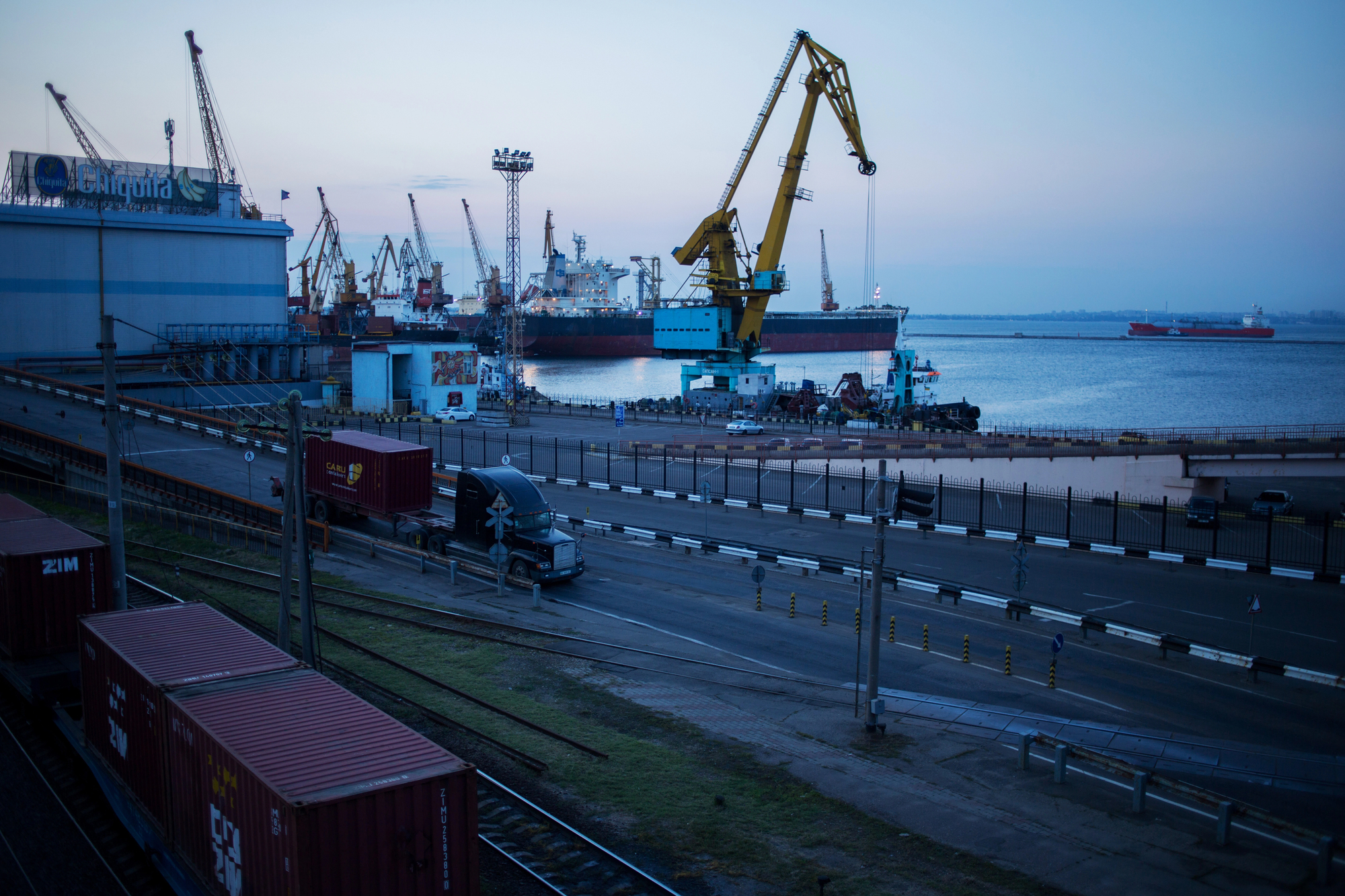
During a nighttime massive Russian drone strike one of the ports of Greater Odesa was hit — the group includes the ports of Odesa, Chornomorsk and Pivdennyi. According to the Administration of Sea Ports of Ukraine (AMPU), several impacts were recorded on the premises of the facility and an adjacent terminal.
"Several impacts were recorded on the premises of the facility and an adjacent terminal. As a result of the shelling, elements of the berth infrastructure were damaged, as well as one of the technical tanks"
— Administration of Sea Ports of Ukraine
AMPU adds that there are no casualties on the port grounds, and rescuers and emergency services are working on site — remediation and damage assessment are underway.
What exactly was damaged
"Due to a drone strike, an empty tank and a grain gallery were damaged at the port"
— Oleh Kiper, head of the Regional Military Administration
Damage to the berth infrastructure and the grain gallery is not only external destruction: the gallery is responsible for conveying grain from the elevators to ships. Even if the tank was empty, restoring the mechanics and safety of the system requires time and inspections.
Consequences for logistics and exports
Damage to such infrastructure complicates ship loading and increases logistics costs: additional measurements, repair work and possible rerouting of cargo to other terminals are required. This affects export pace, insurance premiums and international partners’ confidence in the stability of supplies.
According to preliminary media and local service reports, other impacts in Odesa resulted in human losses — two killed and 12 injured — underscoring the general threat to the city’s civilian infrastructure during such attacks.
Context and reaction
During the war, southern ports remain a strategic link for Ukraine’s agricultural exports. Each damage to infrastructure makes supply chains more vulnerable and forces the search for alternative routes. Analysts note that restoring terminal operation must be prioritized alongside strengthening air defenses around critically important facilities.
For now the port continues to operate taking the security situation into account, but full restoration of operations will require technical expertise and time.
What next
In the short term — a detailed damage assessment and emergency repairs. In the medium term — issues of insurance, logistical reconfiguration and international coordination to preserve export contracts. Whether Ukraine can compensate for such strikes by reorganizing logistics and accelerating repairs is a key question for the agricultural sector and the partners that depend on it.
It is now important that assessments and repairs are transparent and swift: this affects not only the operation of the specific terminal but also the reputation of Ukrainian exports on international markets.



