Belgium detains 'shadow fleet' tanker — a move that complicates Putin's supply lines
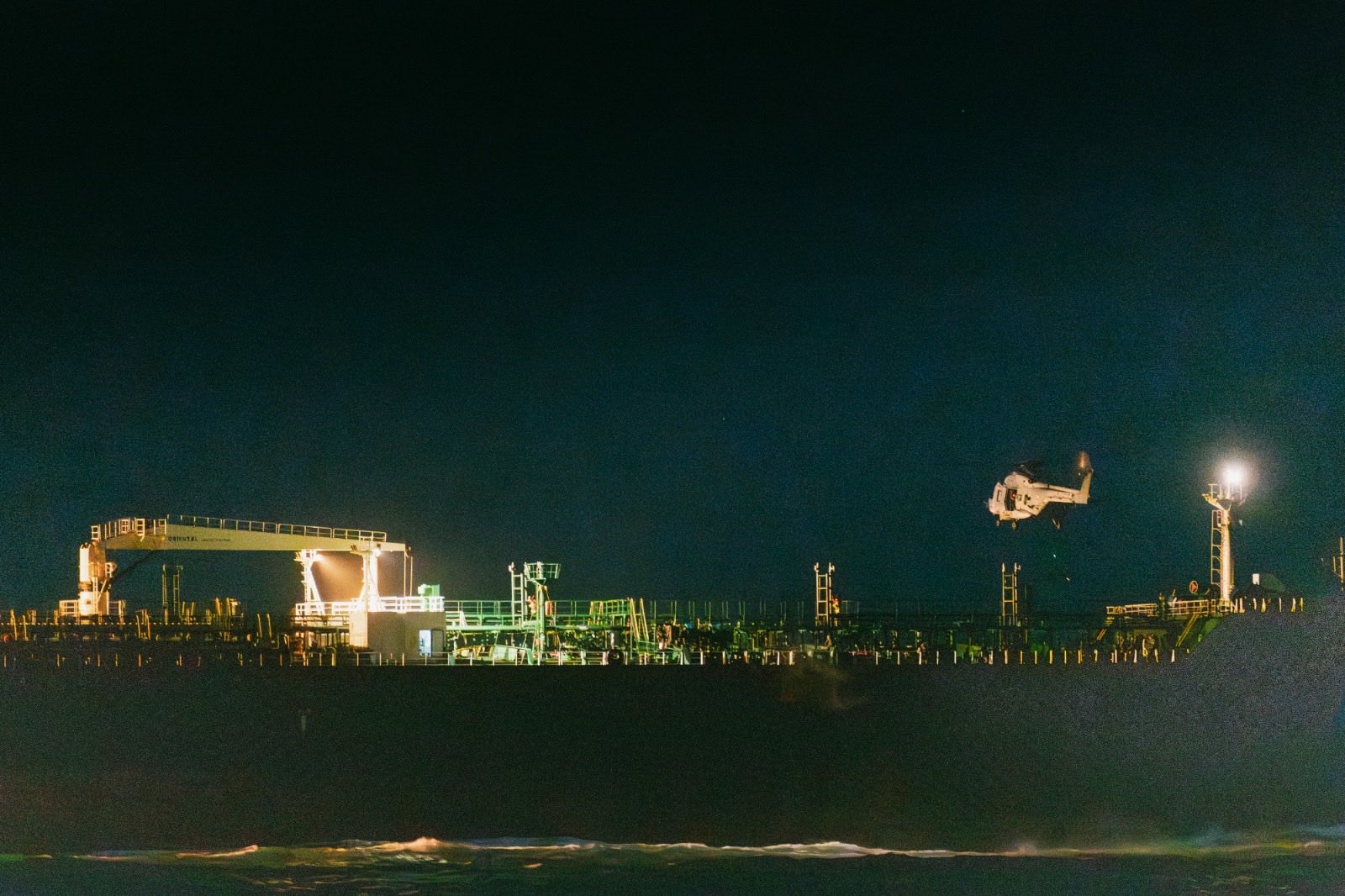
Night operation "Blue Intruder": Belgian and French forces intercepted a shadow-fleet vessel and are towing it into the port of Zeebrugge. We explain why this is important for Ukraine and what the implications are for European resilience against sanctions evasion.

By Tetiana Suchkova-Ladik
March 1, 2026 · 2 min read
Briefly
In the night of March 1, Belgium, as part of Operation “Blue Intruder”, detained an oil tanker belonging to the so‑called Russian “shadow fleet”. Belgian and French military personnel boarded the vessel; the ship is being escorted to the port of Zeebrugge, where it will be held.
Official statements
"Without the shadow fleet, the Russian dictator Vladimir Putin cannot wage war against Ukraine. Therefore Europe must destroy these ships one by one."
— Theo Francken, Belgium's Minister of Defence
"Belgium may be a small country. But we are founding parents of NATO and the EU, and we take our responsibility seriously... When it matters, we do not hide. We show up."
— Bart De Wever, Prime Minister of Belgium
Why this matters for Ukraine
The shadow fleet is not just a technical detail of oil trade; it is a mechanism for evading sanctions and a source of financing for the war. Restricting the movement of such vessels reduces Moscow’s ability to sell resources through the grey zone, cuts the war machine's revenues, and complicates supply logistics. For Ukraine, this is a direct action that hits the adversary's economic base.
Context and practical nuances
The operation comes against the backdrop of several important steps: on February 21 Ukraine introduced new sanctions against 225 captains of the “shadow fleet” and 44 Russian companies; in January France temporarily detained the tanker Grinch, but released it due to difficulties proving sanctions evasion and the costs of enforced detention.
In practice, turning isolated detentions into systemic pressure requires: legal mechanisms for seizing ships, operational coordination between port and military forces, and the political willingness of EU member states to accept the risks and costs of such actions. The Belgian operation demonstrates that part of Europe is ready to act in this way.
International impact and risks
This operation is a precedent: it shows that even small states can act as catalysts for pressure on shadow chains. At the same time, there is a risk of escalating diplomatic disputes with Russia and legal challenges in international courts. That is why coordination with partners (France, EU countries, the United States) is critically important.
What next?
If other countries follow the Belgian operation, it could develop into a synchronized European approach to dismantling the shadow fleet. If not, the detention will remain isolated, with limited impact. For Ukraine it is important that declarations of pressure are turned into legally formalized steps and practical coordination.
Conclusion. The detention in Zeebrugge is not a culmination but a test: whether Europe can systematically break the schemes for evading sanctions that fuel the war. The answer to that question will determine how effective the economic‑legal arm of pressure on Russia will be.



