"Without Ukraine, Europe Loses": What Vass's Thesis Means for the Continent's Future
# GLOBSEC Head Robert Vass Calls Ukraine a "Security Provider" for Europe. This Is Not a Compliment — It's a Diagnosis of Systemic Dependency GLOBSEC's head Robert Vass has characterized Ukraine as a security provider for Europe. However, this framing is not a tribute but rather an assessment revealing Europe's structural reliance on Ukraine's continued resistance and sacrifice.

By Tetiana Suchkova-Ladik
May 23, 2026 · 2 min read
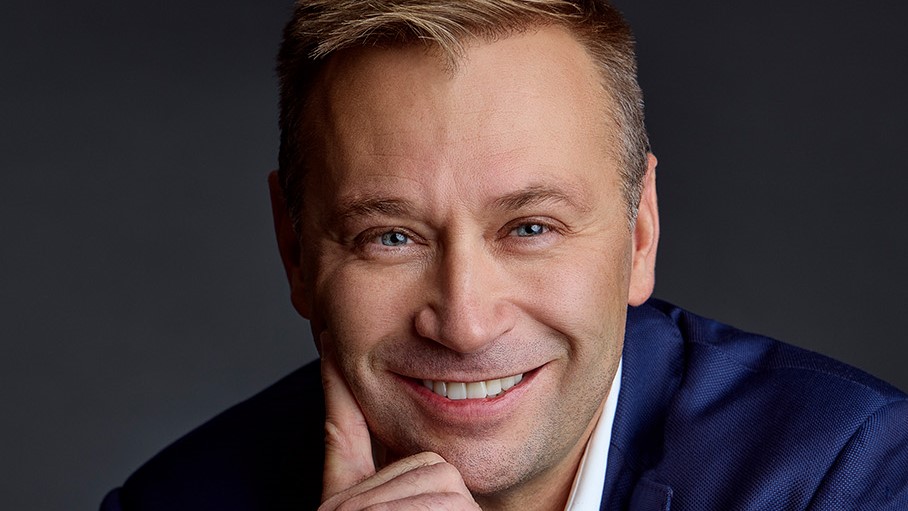
Robert Wass, president of the influential GLOBSEC security forum, formulated a thesis that sounds like an acknowledgment of what Kyiv has been saying since 2022: without Ukraine, Europe will not be strong enough. But behind this sentence lies a question that Brussels has so far avoided voicing aloud.
Security provider — not aid recipient
According to Wass, Ukraine is already performing a function that no other country on the continent is capable of replacing: it is holding back Russia's armed pressure directly on the line of contact. While Ukrainian units are restraining Russia's advance along an almost thousand-kilometer front, the Baltic states, Poland, and the rest of NATO's eastern flank have time to build up defensive infrastructure, increase ammunition production, and reformat their armies to meet the standards of real conflict.
This is a fundamental shift in framing. Weapons donors and financial supporters have become accustomed to describing relations with Ukraine in the logic of charity — "we are helping." Wass proposes a different optic: Ukraine is providing a service for which Europe is paying far less than it would cost to defend itself independently.
Where specifics lag behind rhetoric
The problem is that the recognition of Ukraine as a security provider has not yet been converted into institutional commitments. The EU accession process is moving slowly — individual negotiation chapters are opened under the pressure of political momentum, but without a clear time horizon. NATO membership is blocked by consensus, where the decisive vote remains with Washington and Berlin. Military aid depends on election cycles in donor countries.
That is: Ukraine's strategic value is recognized at the level of expert forums, but is not enshrined in law and is not supported by mechanisms that would operate independently of current political circumstances.
What "a strong enough Europe" means
Wass's formula has a reverse side as well. If Europe without Ukraine is not strong enough — then Europe itself is already aware of this. This is evident in record defense budgets: Poland is spending over 4% of GDP on defense, Germany is returning to discussions of mandatory military service, Sweden and Finland are integrating into NATO structures faster than planned five years ago.
But building up its own potential and recognizing Ukraine's role are parallel, not interchangeable processes. The continent can become stronger and simultaneously push Kyiv to the periphery of strategic planning if the hot conflict ends on terms favorable to Moscow.
The person who asks the question
Robert Wass is not a government official; he does not sign treaties and does not vote on aid packages. But GLOBSEC is a platform where positions are formed before they become official. His words carry weight precisely because they reflect the consensus of the analytical community that influences decisions in Prague, Warsaw, and Brussels.
The thesis about Ukraine as a security provider has already entered the language of European discourse. The question is different: will this recognition become the basis for concrete guarantees before Ukraine exhausts its ability to perform this role without systemic support?



