Safety Over Traffic: Ukraine Temporarily Restricts Movement of Trucks and Buses at the Border with Moldova
The State Border Guard Service of Ukraine (DPSU) has suspended border crossings for cargo and passenger transport due to worsening weather — what will change in logistics and why swift action is crucial.

By Tetiana Suchkova-Ladik
February 17, 2026 · 2 min read
What happened
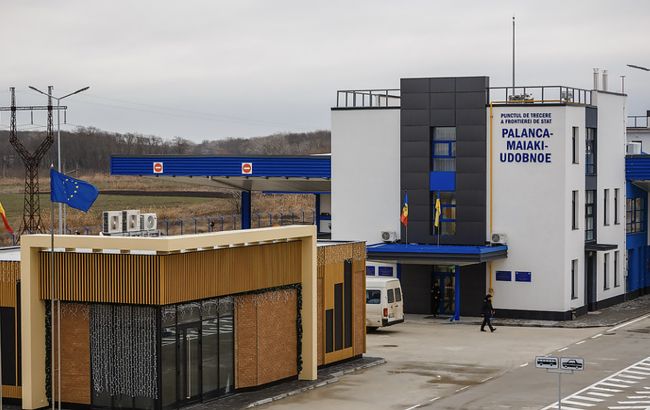
From 05:00 on 18 February, Ukraine is temporarily restricting the movement of international freight trucks and passenger transport vehicles on the section of the border with Moldova. In a statement by the State Border Guard Service of Ukraine, the main reason given was adverse weather conditions and the need to promptly address the consequences of the weather in order to ensure the safety of road users.
Where restrictions apply
The restrictions concern the movement of trucks and buses on the M-15 Odesa – Reni road (km 11+920 – km 308+000) and will lead to the temporary suspension of passage of such vehicles at a number of border crossing points with Moldova:
- Palanka — Mayaky — Udobne
- Starokozache
- Serpneve
- Maloyaroslavets
- Lisne
- Reni
- Dolynske
- Orlivka
- Vynohradivka
- Tabaky
- Novi Troyany
The State Border Guard Service also reported that it notified its Moldovan counterparts about the restrictions in order to reduce risks for drivers and passengers and to coordinate actions at the border crossing points.
"The decision was made in view of the increased danger to all road users and to ensure the timely elimination of the consequences of the bad weather — the priority remains the safety of people and preventing emergency situations."
— State Border Guard Service of Ukraine
Context and consequences
This is not an isolated case: on 16 February the service already reported movement restrictions on the border with Romania due to repairs to the bridge over the Tisza (term — until 3 April). Together, such decisions temporarily increase pressure on logistics chains, cause overload on other routes and can extend delivery times for cargo.
For citizens and businesses this means: expected delays for international bus services and transit trucks; carriers should plan alternative routes or postpone shipments, and passengers should check the current traffic status before travelling.
What’s next
How long the restrictions will last depends on how the weather develops and the pace of restoring normal conditions. In the short term the priority is to minimize risks on the roads. The mid-term question is how quickly border services and their partners can restore normal crossing procedures without compromising safety.
Follow updates from the State Border Guard Service and transport operators: coordination between services and forward-looking decisions will help reduce economic losses and ensure road safety.



