More drones and spending audits: how Fedorov’s decisions are transforming frontline logistics and defense
Systematic work on the frontline: after a trip to the Zaporizhzhia, Dnipropetrovsk and Kharkiv directions, the Ministry of Defence announced concrete steps — from regular deliveries of FPV drones and interceptors to automating requirements generation and auditing every expenditure on the battlefield.

By Tetiana Suchkova-Ladik
March 2, 2026 · 3 min read
Systematic work instead of improvisation
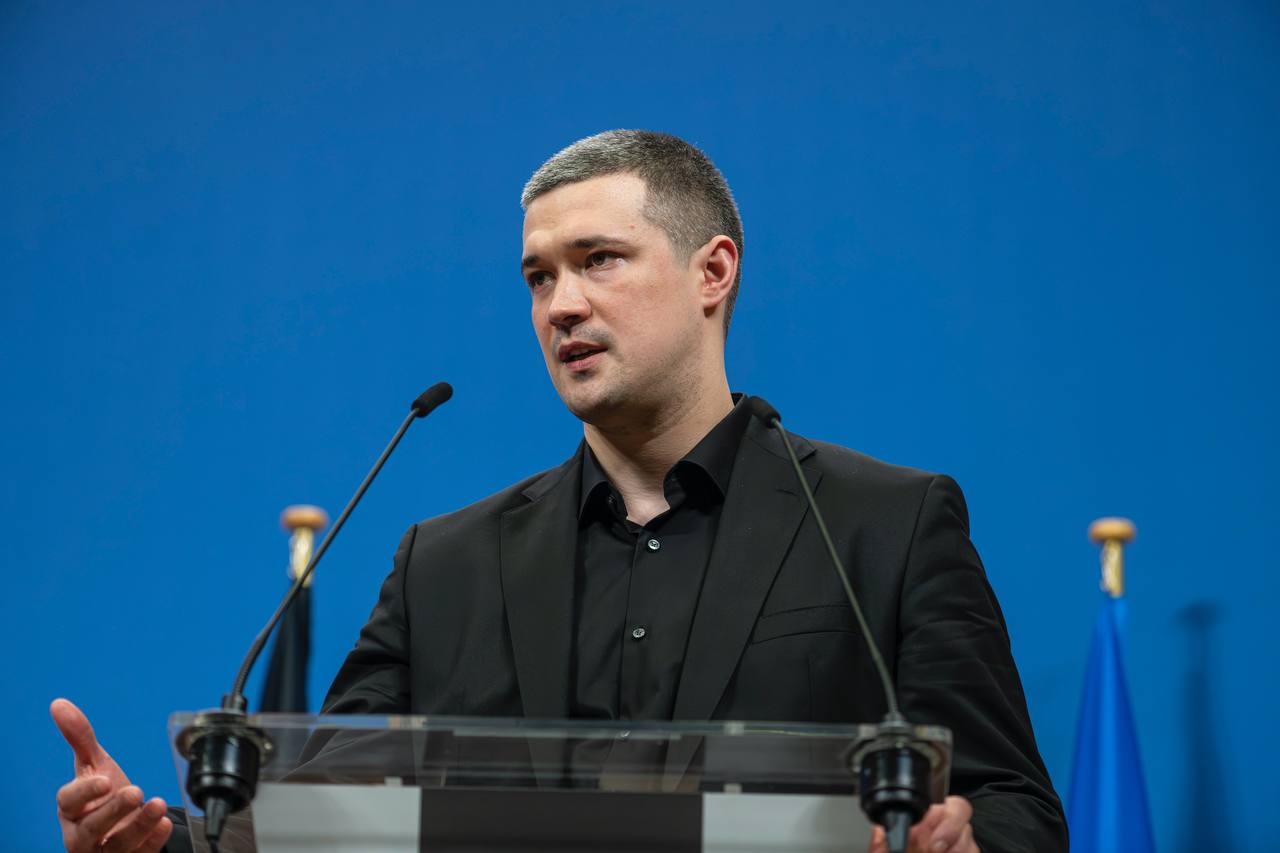
At the end of February, Defense Minister Mykhailo Fedorov held a series of meetings along the Zaporizhzhia, Dnipropetrovsk and Kharkiv directions. Working meetings took place with the "South" Operational Command, Joint Forces commander Mykhailo Drapaty and Unmanned Systems Forces commander Robert Brovdi. On the ground they worked with mechanized and air-assault brigades and air defence units — priorities are now being set not by gut feeling but by data.
"This will allow brigades to plan their defence and be confident in their resources. We're also working on centralized provision of the army with Starlink terminals and pickup trucks"
— Mykhailo Fedorov, Defense Minister
What exactly is changing
The ministry announced several practical steps: guaranteed monthly supply of brigades with drones (FPV, reconnaissance, bombers and fiber‑optic UAVs), scaling up interceptors and strike systems for operational depth, deployment of additional air-defence groups, strengthening radar coverage and expanding fortifications.
The first quarter of 2026 has already been contracted: for the first time needs were formed based on data to reduce subjective influence and corruption risks. In addition, in 2026 it is planned to double the number of ground robotic systems — part of the logistics will be transferred to robots to reduce human losses.
"Based on quality data from the front we will form real needs without a 'zoo' of ineffective solutions. Our goal is for the military to receive the best solutions, not to have to finish them with their own hands in the trenches"
— Mykhailo Fedorov, Defense Minister
Audit of expenditures and automation of needs
One of the key initiatives is an audit of every expenditure on the battlefield. This is not about a formal check, but a systemic analysis intended to identify supply 'bottlenecks' and make managerial decisions to correct them. At the same time, the approach to forming needs is being changed — from manual to automated, based on data from units.
Technological priorities: from Mavic to AI
The Defence Ministry is testing alternatives to commercial models like the Mavic — using elements of artificial intelligence to increase autonomy and effectiveness. They plan to scale these solutions in the near future. Attention is also being focused on interceptors, FPV, reconnaissance drones and strike platforms for deeper operations.
Context and limitations
On February 27, the Defense Ministry announced the creation of a system to analyze attacks and improve air defence, but emphasized a shortage of missiles to realize the system's full potential. In addition, the announced "plan of war" includes strict tactical metrics — one of the stated goals aims to increase enemy losses in operational zones, underscoring a push for systematic pressure on the adversary's rear networks.
What this means for Ukraine
The shift to data and centralization of supplies reduces the risk of equipment mismatching unit tasks and shortens adaptation time. Increasing the number of robotic systems and drones can directly reduce human losses in logistics and reconnaissance. Experts and frontline commanders have already noted that a systematic approach increases the operational resilience of units.
Conclusion
The Defense Ministry's decisions are not an instant miracle, but a chain of steps intended to make supply more transparent and the front less vulnerable. Now the key question is: how quickly will these administrative and technological initiatives turn into regular deliveries and tangible changes on the positions?



