Blackout in Berlin: 45,000 households left without power — a lesson for European energy security
More than 45,000 households and 2,200 businesses were left without power after a fire on a cable bridge. We examine what happened, the practical consequences, and why this matters for Ukraine.

By Tetiana Suchkova-Ladik
January 4, 2026 · 2 min read
Brief
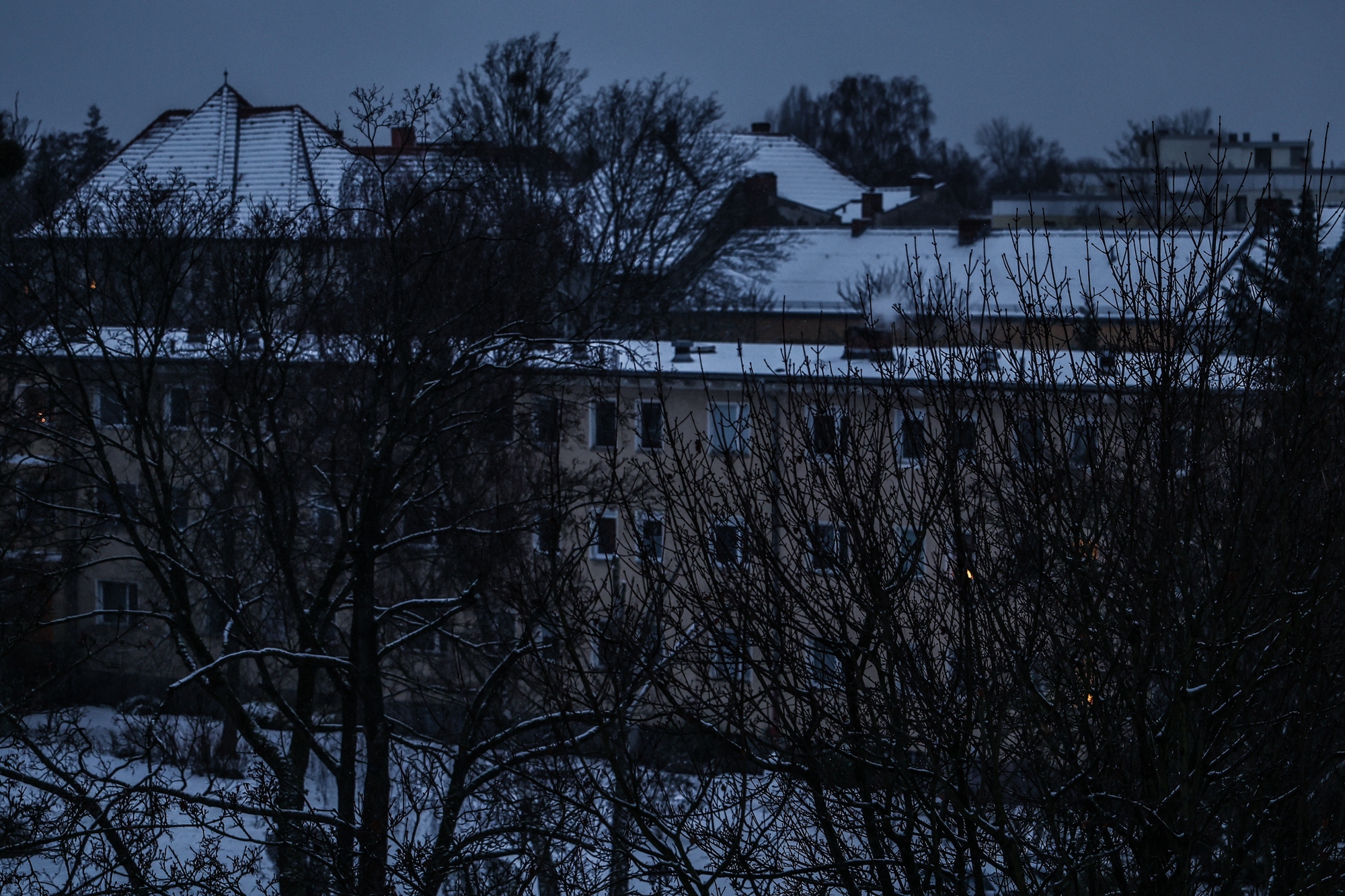
A large-scale power outage occurred in Berlin: according to Frankfurter Allgemeine Zeitung, more than 45,000 households and about 2,200 businesses were left without power. The outage affected street lighting, retail outlets, alarm systems and, partially, heating systems.
Impact on residents and businesses
The loss of power disrupted infrastructure: shops were unable to serve customers, part of the centralized heating supply was put at risk, and mobile and landline communications experienced interruptions. Local authorities advised that in urgent cases people should contact the police or the nearest fire stations.
Power restoration
According to the outlet, power has been restored to approximately 7,000 households and 150 businesses. Full restoration, services estimate, is not expected until the daytime of January 8 — underscoring how severe the damage is and how complex the repair work will be.
Cause and investigation
The cause was a blaze that damaged key power lines on a cable bridge over the Teltow Canal leading to the Lichterfelde power station. Police are treating the incident as arson; so far no individuals involved have been identified.
"The incident is being investigated as arson."
— Berlin police
Context: not the first incident
Factors behind infrastructure damage in Berlin were already discussed after a similar incident in September, when tens of thousands of homes were left without power due to a fire on high-voltage line pylons. The recurrence of such events underscores the vulnerability of certain critical nodes in the network.
Why this matters for Ukraine
European energy system resilience is not just a German problem. Energy infrastructure is vulnerable to accidental failures, acts of sabotage and extreme weather. Analysts and energy experts note that even robust systems require reserves, route diversification and rapid-response repair crews. For Ukraine, this is a reminder of the need to invest in reserves, distributed power sources and rapid service restoration during crises.
Conclusion
This blackout in Berlin is a warning to European capitals: technical failures and deliberate damage to infrastructure have systemic consequences. Now the question for politicians and network operators is whether the lessons will be turned into concrete investments and protection plans that make energy systems more resilient. For Ukraine, it is useful to observe and adapt successful approaches to protecting and restoring networks.



