"Blockade Instead of Trump Cards: Why Trump Neutralized Iran's Main Leverage — and What He's Asking For Instead"
The United States has imposed a blockade of the Strait of Hormuz following failed negotiations in Islamabad. However, behind the scenes, Washington is prepared for concessions, according to Politico, because without them there will be no deal.

By Tetiana Suchkova-Ladik
April 17, 2026 · 3 min read
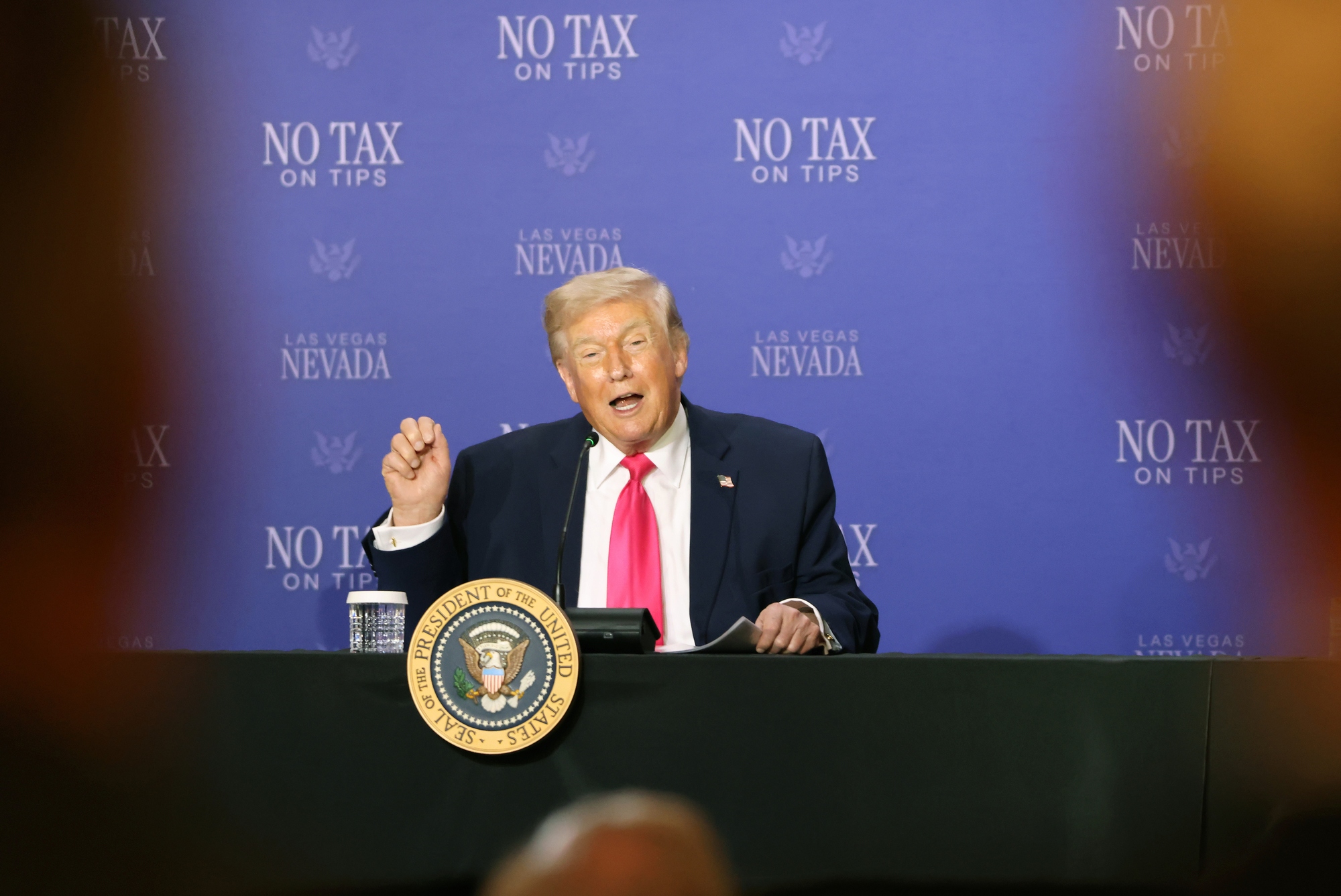
On April 21, 2026, the ceasefire regime between the United States and Iran expires. By that date, Washington must either reach an agreement or strike again. But according to sources familiar with negotiations and cited by Politico, Trump, despite all his rhetoric about "trump cards," may make real concessions — to close this war before the 2026 elections and record it as a victory.
From ultimatum to blockade
The logic of the moves is clear: after negotiations in Islamabad ended without agreement, Trump announced a blockade of vessels in the Strait of Hormuz. An official White House representative explained: the national security team developed a plan to break Iran's closure of the strait and neutralize the perception that Hormuz could serve as a distraction from the nuclear issue.
In other words, the blockade is not punishment, but a tactical move: to deprive Tehran of its main financial lever before the next round of negotiations. According to calculations by former CIA director David Petraeus, if Iran collects $2 million from each vessel, and over 100 ships pass through the strait daily — this is "a very substantial amount of hard currency" that allows Tehran to rebuild its destroyed army.
What Iran wants, and where the "red line" lies
The Iranian side presented a "five-point counter-proposal" at negotiations: cessation of US-Israeli strikes, security guarantees against future aggression, military reparations, and international recognition of Iranian sovereignty over the Strait of Hormuz. The US rejected this proposal.
Analysts at Times of Israel note a contradiction: Iran believes it can extract major concessions on the nuclear issue and Hormuz, while Trump cannot give in to a country he has been bombing for weeks — and this threatens a stalemate or new escalation.
"We cannot allow a country to blackmail or make demands on the entire world — that is exactly what they are doing"
— Donald Trump, White House, April 14, 2026
Israel and Lebanon — a new variable
Parallel to the Iran track, the Trump administration made several diplomatic moves that changed the context. On April 16, Trump held separate talks with Israeli Prime Minister Benjamin Netanyahu and Lebanese President Joseph Aoun — and announced a 10-day ceasefire between Israel and Lebanon. Trump also noted that while it would be "ideal" to complete an agreement with Iran by April 21, he is willing to extend the ceasefire if necessary.
This detail — about willingness to extend the ceasefire — contradicts the public narrative of "total victory" and represents the first publicly acknowledged flexibility by Washington.
Mediators keep the door open
Turkey, Pakistan, and Egypt are attempting to organize a new round of negotiations — mediators seek to narrow differences by the April 21 deadline. Trump stated that the next negotiations "could take place within two days" in Islamabad.
According to CNN, any Iranian agreement to remove highly enriched uranium and accept new enrichment restrictions will come only with the lifting of most sanctions — and billions of dollars will go toward rebuilding the Iranian army. This is the price Washington will either have to pay, or admit that there will be "no deal."
If the second round of negotiations does not produce results by April 21 and Trump does not extend the ceasefire — the next step, a strike on nuclear infrastructure, will become a test of whether the bluff was truly a bluff.



