Blocking Russian Music on Streaming Platforms — Language Ombudswoman Explains Why It's a Matter of Security and Culture
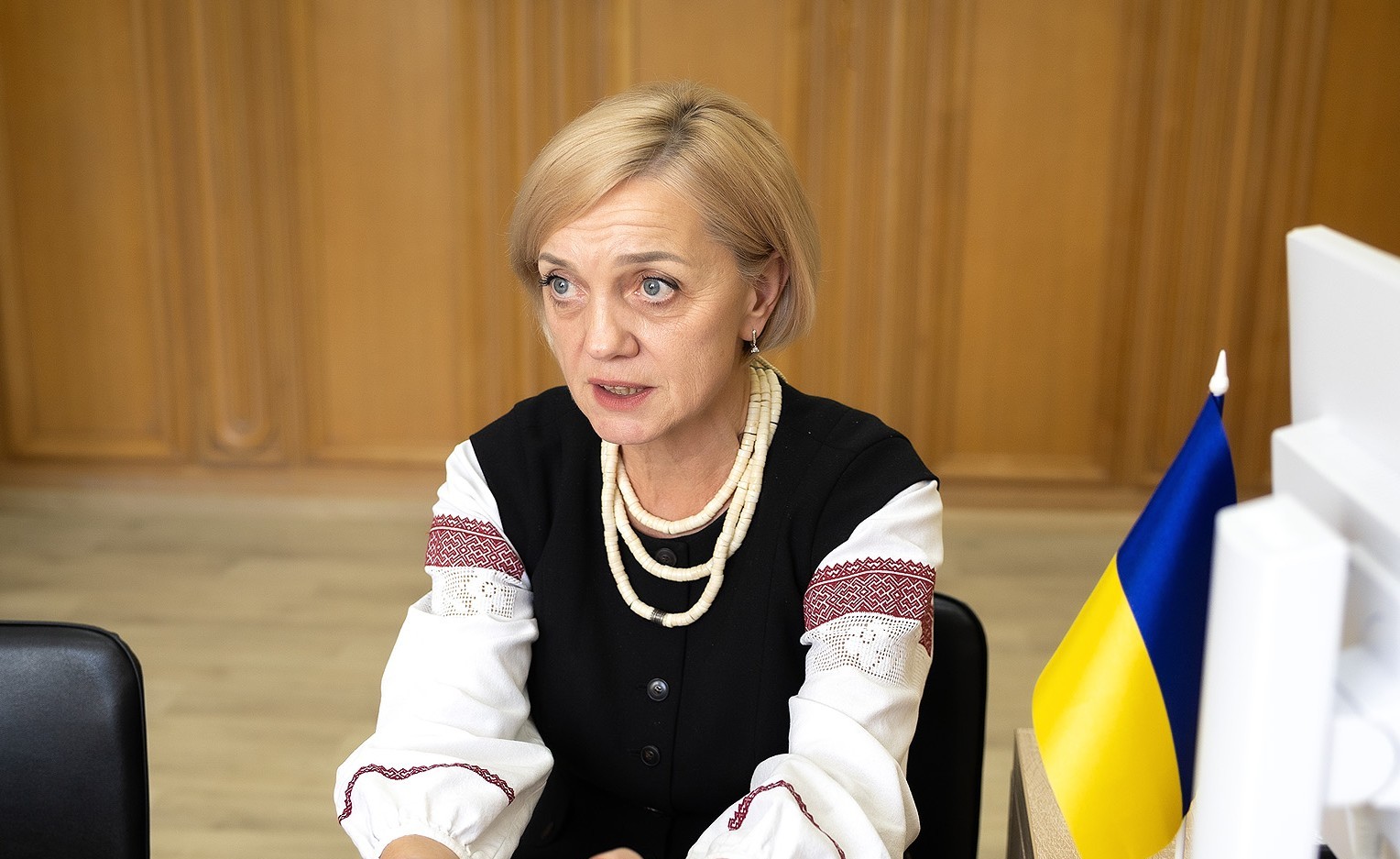
Olena Ivanovska says the National Security and Defense Council's decision regarding restrictions on Spotify and other platforms is not an act of censorship, but a step to protect the information space. We explain what will change for listeners, platforms, and Ukrainian music.

By Tetiana Suchkova-Ladik
December 16, 2025 · 2 min read
Why this matters now
The Commissioner for the Protection of the State Language, Olena Ivanovska, supports the initiative to block Russian music on streaming services and explains it not as an emotional reaction but as a matter of national security. In her view, cultural products can serve as “soft power” and be used as a tool of informational influence.
"Russian music, like films or series, is part of a hybrid war, an element of 'soft power' that works against national security"
— Olena Ivanovska, Commissioner for the Protection of the State Language
Legal and practical framework
Ivanovska refers to the sanctions mechanism of the National Security and Defense Council (NSDC) as a legally grounded way to interact with international platforms. This means that decisions can be based on current Ukrainian legislation and the state's international obligations — ranging from individual bans to technical solutions implemented by the services themselves.
On December 13, a member of parliament announced an intention to block Russian performers on Spotify, Apple Music and other platforms by decision of the NSDC. For platforms, this is a question of compliance with local law and reputational risk; for users, it could mean changes in access to content and playlists.
Consequences for Ukrainian music
Ivanovska stresses that restrictive measures must be paired with support for the national product: investments in promotion, radio rotation, educational programs and infrastructure for independent artists. Without this, the risk that the gap left by the blocking will be filled by other international formats remains real.
Media market experts note that such steps can become a marker of the state's readiness to protect the cultural space, but at the same time require clear criteria and transparent procedures to prevent abuse and minimize side effects for freedom of speech.
What next?
A decision by the NSDC opens a chain of technical and political steps: formalizing sanctions, working with platforms, monitoring implementation, and a simultaneous state policy to support Ukrainian music. The key question remains the balance between security and cultural freedoms — and the state's readiness to invest in a high-quality national product.
Summary: restrictions are not an end in themselves but a tool. Whether these measures will turn into a long-term victory for Ukrainian music will depend on how consistently the state and the industry can create alternatives and strengthen national content.



