Boycott of the 2026 Paralympics opening: eight countries and the EU oppose legitimizing Russia
Ukraine is mounting a diplomatic campaign to increase the number of countries that will boycott the opening ceremony in protest of the decision to allow Russians and Belarusians to participate under their national symbols. We examine why this is more than just a sporting confrontation — and how it could affect Italy's reputation as host.

By Tetiana Suchkova-Ladik
February 25, 2026 · 2 min read
What happened
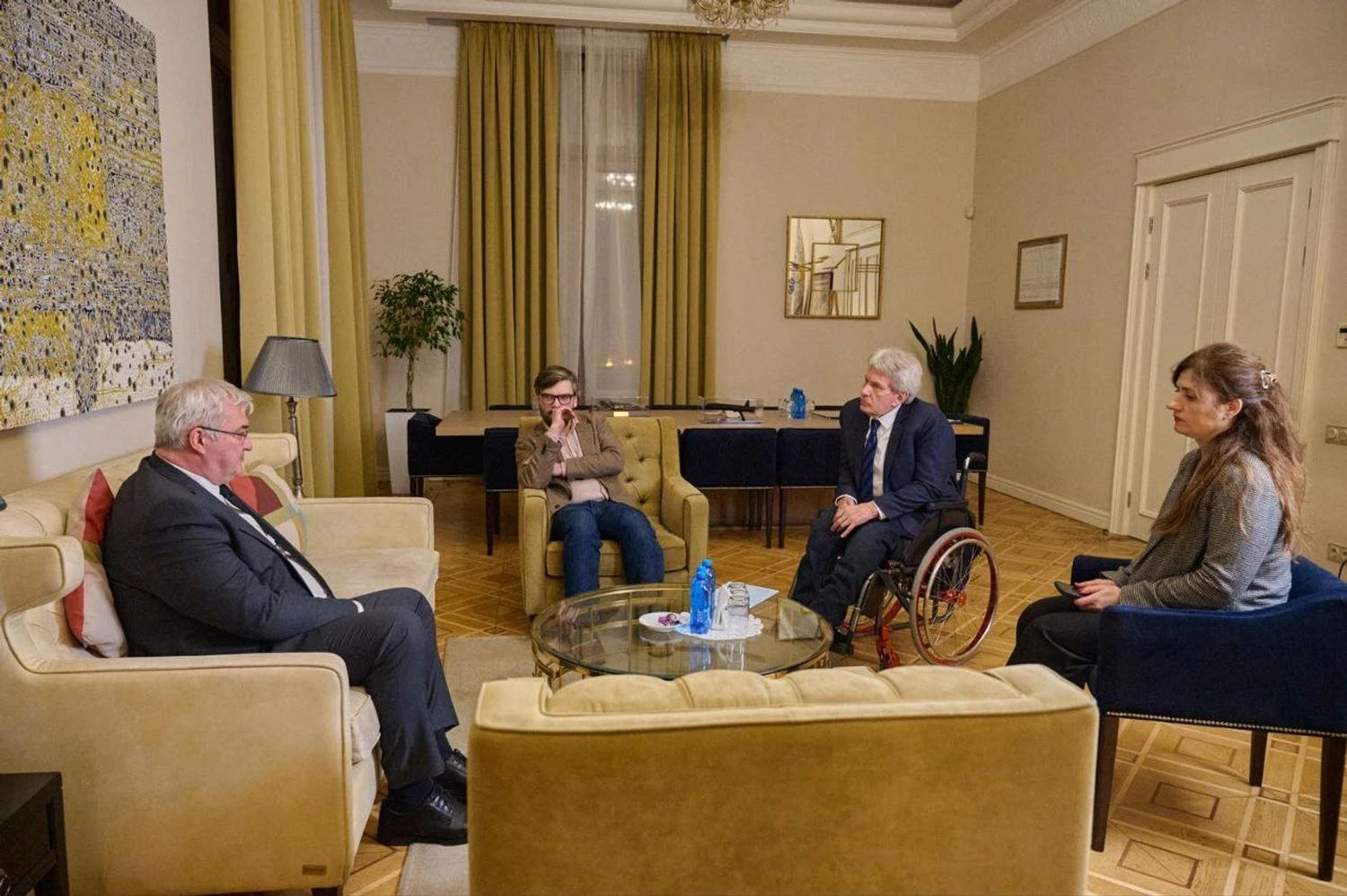
The Ministry of Foreign Affairs reports: eight states and the European Union have officially announced a boycott of the opening ceremony of the 2026 Paralympic Games. Ukrainian diplomats are working to expand that list and trigger a "domino effect", increasing diplomatic pressure in response to the admission of athletes from Russia and Belarus under their national symbols. Foreign Minister Andriy Sibiha said this at a meeting with representatives of the National Paralympic Committee (source: UNN).
Why it matters
The core grievance is not a personal boycott but a systemic effect: admission under national symbols will serve as a propaganda tool for the aggressor states and creates risks for the international-legal position regarding occupied territories. The MFA also draws attention to the fact that the International Paralympic Committee granted Russians and Belarusians 10 slots in the form of "wild cards", which alters quotas and places other athletes at a disadvantage.
"The unsportsmanlike behavior of the International Paralympic Committee remains at the center of our work. Admitting Russians and Belarusians under national symbols is a shameful decision that serves the propaganda of the aggressor states."
— Andriy Sibiha, Ukraine's Minister of Foreign Affairs
Reaction and coordination
Ukrainian diplomacy is coordinating positions with the National Paralympic Committee and partners — with particular attention to Italy as the host country. Some countries have already made public statements, others have informed of their support in working channels. Among the confirmed is Finland's decision to politically boycott the ceremony.
"We already have confirmations from eight states, as well as from the EU. The list will grow. Some partners have already made public statements, others have confirmed their support to us through working channels."
— Andriy Sibiha, Ukraine's Minister of Foreign Affairs
Consequences for sport and diplomacy
In the short term, a boycott of the ceremony is a form of political and symbolic pressure: it does not prohibit athletes from competing, but it undermines the narrative that legitimizes the aggressor. In the longer term, it is a test of international institutions' ability to uphold the principles of fair competition and not become instruments of propaganda. There is also a reputational risk for Italy as the organizer: the MFA urges the use of available instruments to prevent the display of the aggressor states' national symbols on its territory.
"As long as the sounds of Russian weapons are heard on Ukrainian soil, the anthems of Russia and Belarus have no place in the civilized world."
— Andriy Sibiha, Ukraine's Minister of Foreign Affairs
What next
The Ukrainian Paralympic team has already announced a boycott of the ceremony while reserving the right to compete. The diplomatic mobilization has two goals: to increase pressure on the IPC and to force the host country to apply mechanisms limiting the display of symbols, and to preserve international solidarity around the principles of fairness in sport.
The question remains open: whether the statements will turn into concrete steps by international organizations and Italy — and what effect that will have on the balance between sport and international responsibility. Declarations are now being tested for effectiveness.



