Combat drone near the border with Ukraine: controlled detonation in Moldova and implications for regional security
In the village of Krokmaz on the border with Ukraine, a drone carrying an explosive device was discovered — police carried out a controlled detonation. We examine why this matters for border security and what it means for neighbors.

By Tetiana Suchkova-Ladik
January 22, 2026 · 2 min read
Discovery and rapid response
On the morning of 22 January at 09:25 in the village of Krokmaz in the Ștefan Vodă district, Moldovan police discovered an unmanned aerial vehicle about 2.5 meters long, equipped with explosives. According to law enforcement, explosive ordnance disposal specialists inspected the site and decided on a controlled detonation to neutralize the warhead.
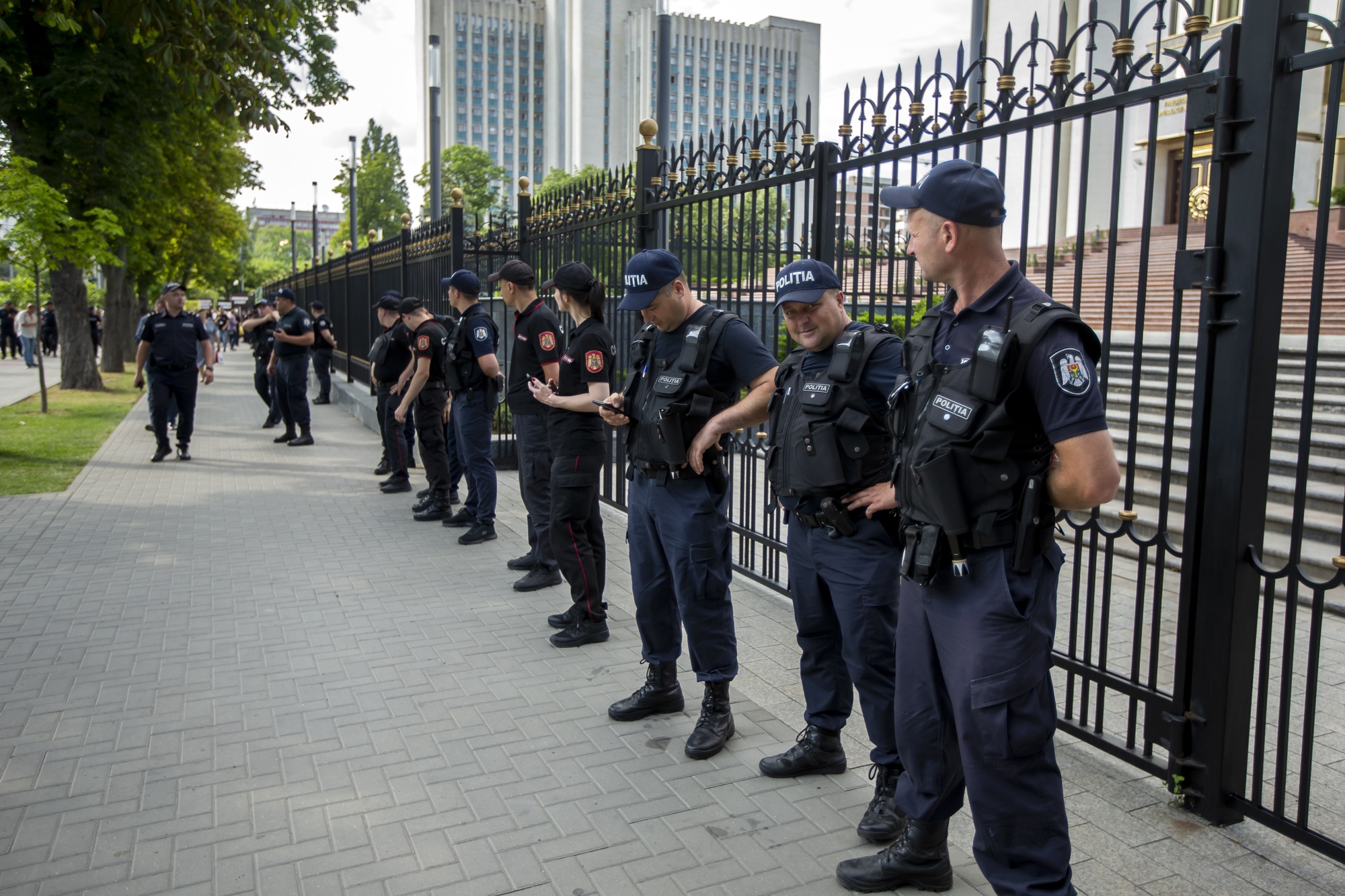
Because of the safety threat, officers organized an evacuation of residents of adjacent buildings and took measures to restrict access to the incident area. The police thanked citizens who reported the find and thereby sped up the specialists' response.
The drone contained an explosive device, so the decision to carry out a detonation on site was necessary for the safety of the population and to preserve the evidentiary base.
— Police of the Republic of Moldova
Context: a series of drone incidents
The incident fits into a number of cases involving incursions into Moldova's airspace: on 25 November 2025 several unmanned aerial vehicles, according to local media and authorities, violated the country's airspace, one of them fell onto the roof of a building; that day up to six UAVs were recorded. On 26 November the Ministry of Foreign Affairs of Moldova sent a note of protest to the ambassador of the country the authorities linked to the origin of the drones.
Why this matters for Ukraine and the region
Several key considerations:
- Risk of accidental or deliberate spillover of hostilities. Regardless of the drone's origin, such findings create a risk of escalation for border communities on both sides of the border.
- Underscores the need for a joint surveillance system. Security experts and state services in the region have repeatedly stressed that airspace control and rapid data-sharing between neighbors are an effective barrier against incidents.
- Political signal. For Moldova, which maintains neutrality while facing cross-border risks, such cases become an argument for strengthening international cooperation with security partners.
What next
Moldovan law enforcement will continue to examine the debris and determine the device's origin. This is an important moment for the Ukrainian Border Guard Service and partners: what is needed is not only reaction to isolated events, but systemic strengthening of intelligence, airspace monitoring and coordination with neighboring states.
Conclusion
The incident in Krokmaz is a signal that aerial threats can have a direct impact on the lives of border communities. Now decisive will be not only the investigation, but also concrete steps by authorities and international partners to reduce the risks.



