Britain allows Americans to strike Iranian missile depots — but draws the line at oil and power plants
London has drawn a strict line: defensive strikes – yes, attacks on civilian infrastructure – no. This boundary is based on legal logic, not diplomatic courtesy.

By Tetiana Suchkova-Ladik
April 7, 2026 · 2 min read
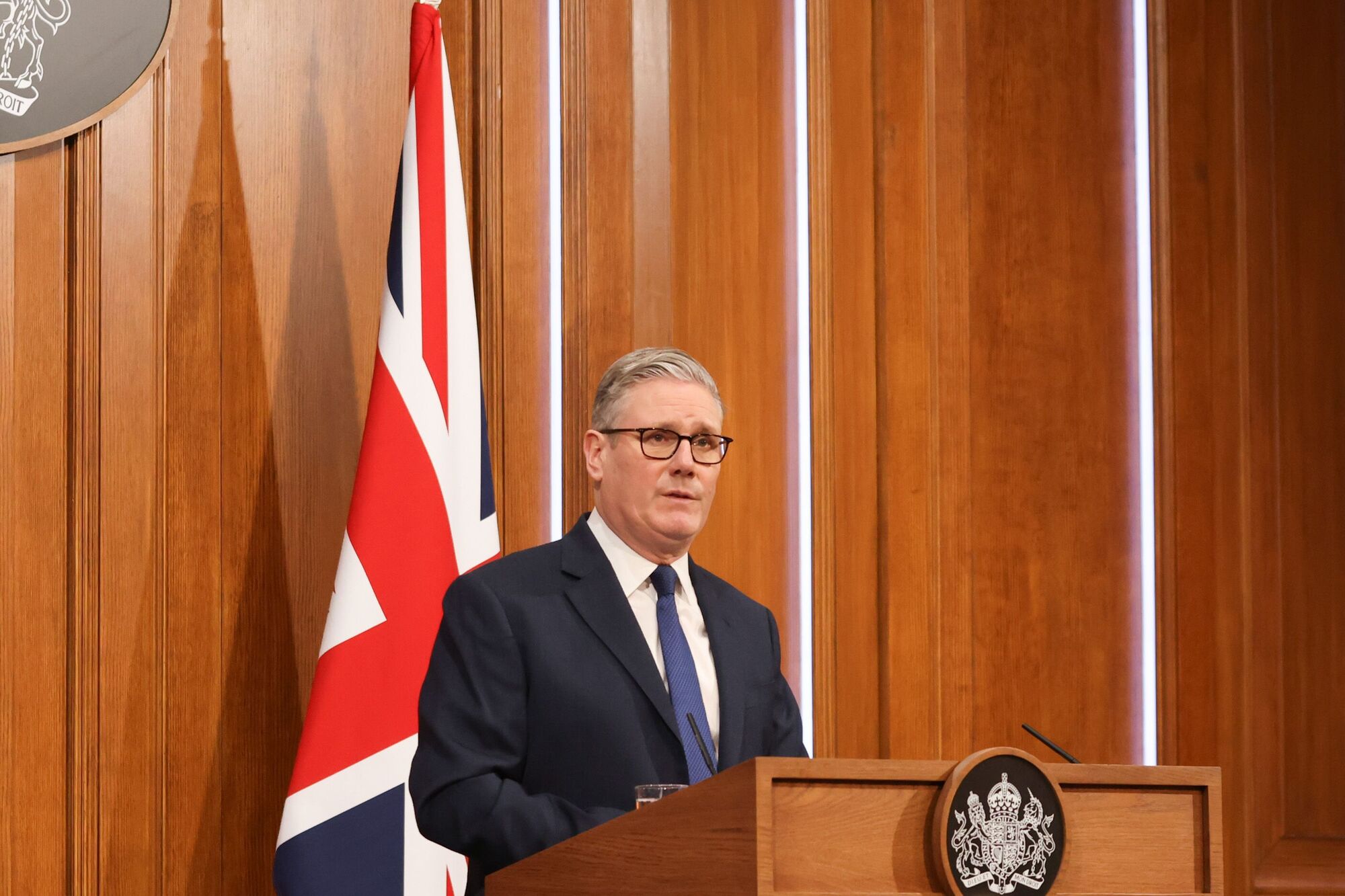
When Prime Minister Keir Starmer's spokesman Tom Wells answered questions on Tuesday about Trump's threats to strike Iran's bridges and power plants, he said nothing new. He simply recalled: this position has existed since the beginning of the conflict.
But behind this remark lies a specific architecture of permissions and prohibitions that London has been building for several months.
What Britain allows and what it doesn't
According to Bloomberg, the British government agreed to provide Americans with bases for "specific and limited defensive purposes" — strikes against Iranian launch facilities and missile storage depots. This category includes, in particular, the Diego Garcia airbase in the Indian Ocean and RAF Fairford in Gloucestershire.
But attacks on energy and civilian infrastructure — oil terminals, power plants, bridges — fall outside this permission. The position is unchanged: London refuses this regardless of what Washington claims.
Why this is a matter of law, not just diplomacy
Tim Ripley, editor of Defence Eye publication, explained London's logic: according to Ripley, British government lawyers initially concluded that U.S. and Israeli strikes against Iran do not meet the legal definition of self-defense under the UN Charter. This is why Starmer initially refused Americans access to bases altogether — until Iranian missile strikes against allied Gulf states changed the legal picture.
"The British government initially concluded that strikes against Iran do not meet the definition of self-defense under the UN Charter"
Tim Ripley, editor of Defence Eye, for Al Jazeera
Strikes on civilian infrastructure do not cross this threshold even under the updated legal analysis — hence the unwavering refusal.
The price of this boundary
London's refusal is already costing it diplomatic friction. Trump publicly criticized the British for slowness in providing bases and called NATO allies "cowards" for unwillingness to send ships to open the Strait of Hormuz. Earlier, he also used Starmer's refusal as an argument in the dispute over the Chagos Islands — where the Diego Garcia base is located.
Meanwhile, the Iranian side has already attacked British facilities: a drone fell on the runway of RAF Akrotiri in Cyprus, two others were intercepted. After this, Starmer personally confirmed to the President of Cyprus: RAF Akrotiri is not open to Americans for strikes against Iranian targets.
What's next
The British position rests on a legal foundation — and it determines its strength. If Iran delivers a direct strike against British facilities or citizens on a scale that London's lawyers qualify as an armed attack, the logic of "limited defensive permission" could expand — and then the line between "missile depots" and "power plants" would no longer be so inviolable.



