Britain allocates over £500 million to bolster Ukraine's air defences — 1,000 missiles from Belfast and rapid deliveries via PURL
London is investing more than half a million pounds in air defence: we explain how a package of missiles and a contribution to the PURL programme will speed up deliveries and affect the protection of cities and critical infrastructure.

By Tetiana Suchkova-Ladik
February 12, 2026 · 2 min read
What was announced
The United Kingdom announced a package of assistance to Ukraine worth more than £500 million to bolster air defence. Source — Sky News. The package consists of two key parts: a £150 million contribution to the PURL program for purchasing American surface-to-air missiles and a contract worth about £390 million for the delivery of 1,000 light multirole missiles manufactured in Belfast (approximately $530 million in conversion).
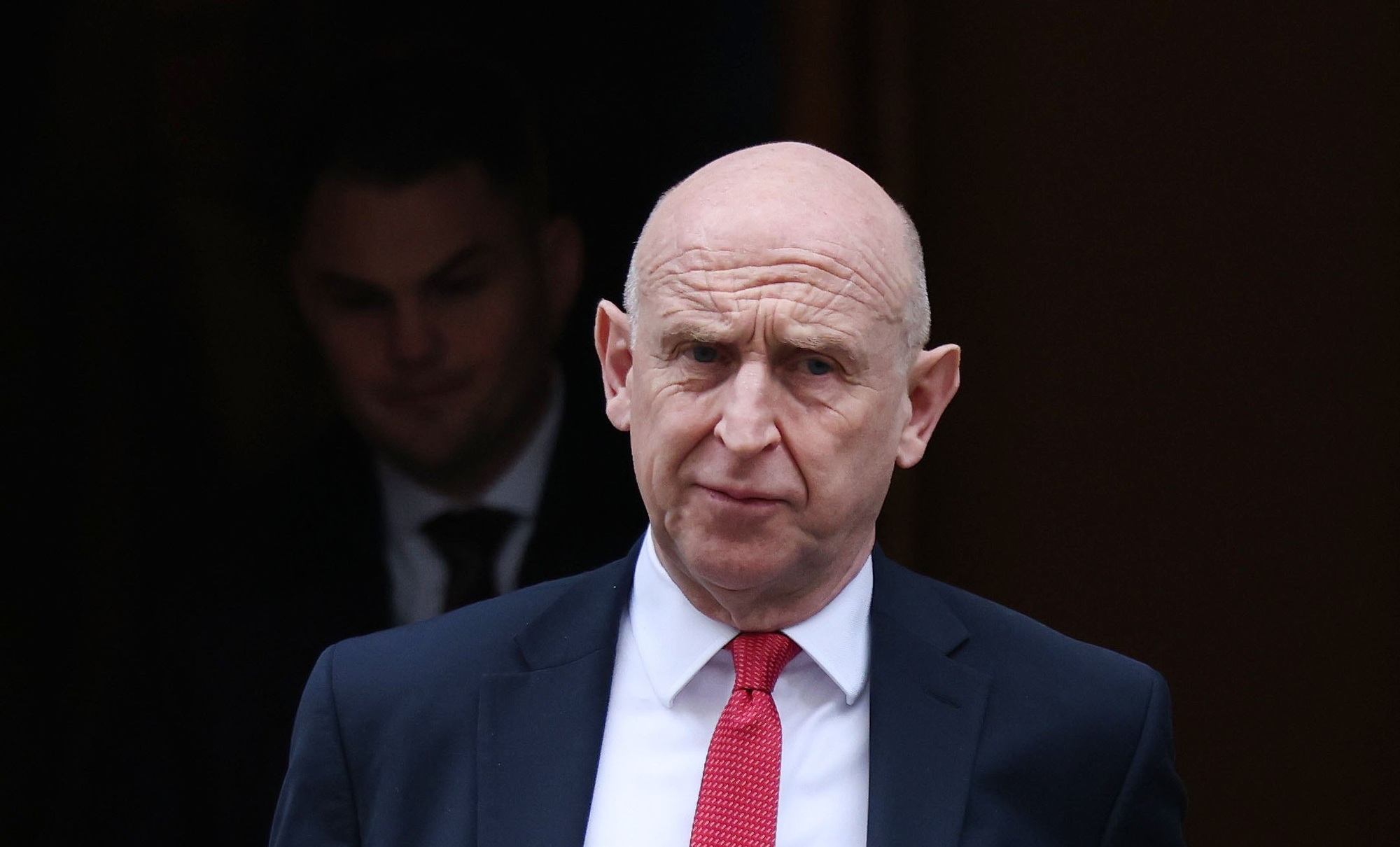
"London will for the first time contribute £150 million to the PURL program — this should ensure the rapid delivery of air-defence missiles to Kyiv."
— statement by the UK Defence Secretary (in the Sky News report)
What Ukraine will receive
The package combines two objectives: to accelerate the arrival of American missiles through the PURL mechanism and to build up a local stock of light multirole missiles from UK production. Together this provides a short-term solution (rapid deliveries via PURL) and a medium-term one — regular shipments from Belfast.
Why this matters now
Systemic work behind the scenes: on the threshold of the fifth year of the full-scale invasion, a shortage of air-defence munitions has remained a critical factor in the vulnerability of Ukrainian cities and infrastructure during mass attacks. The UK investment simultaneously reduces wait times for American missiles and ramps up a European production line — this lowers the risks of logistical pauses and gives greater predictability to supplies.
International context
London's package echoes previous commitments by partners: for example, on 3 February 2026 it was reported that Sweden and Denmark will jointly purchase and deliver air-defence systems to Ukraine worth about $290 million. Such coordination reflects a shift in approach: more countries are investing in air-defence resilience rather than only in individual systems.
Risks and expectations
Risks are related to logistics, timing, and integrating the new missiles into existing systems. Analysts note that the PURL mechanism speeds up the process but requires clear coordination among manufacturers, governments and the military so that deliveries can be rapidly employed at the front.
What’s next
The announcement was made during a meeting of the Ukraine Defence Contact Group ("Ramstein") in Brussels, where ministers and experts coordinate next steps. The main task now is to turn declarations into signed contracts and clear delivery schedules so that the added resources are used where they are needed today.
Brief conclusion: this is not a dramatic breakthrough, but an important step in synchronization — combining rapid deliveries via PURL and regular shipments from the UK reduces timing and logistical risks for Ukrainian air defences. The question for partners now is: how quickly will these promises turn into missiles in the hands of the units defending civilian centres?



