Budanov and Yermak conducted parallel negotiations with Americans — and only one of them knew what Washington thought about him
Bloomberg reveals the mechanics of power shifts in the Presidential Office: while Yermak controlled the official channel of communication with the US, Budanov built his own — and reported to Zelensky how allies actually assessed the previous negotiator.

By Tetiana Suchkova-Ladik
April 14, 2026 · 2 min read
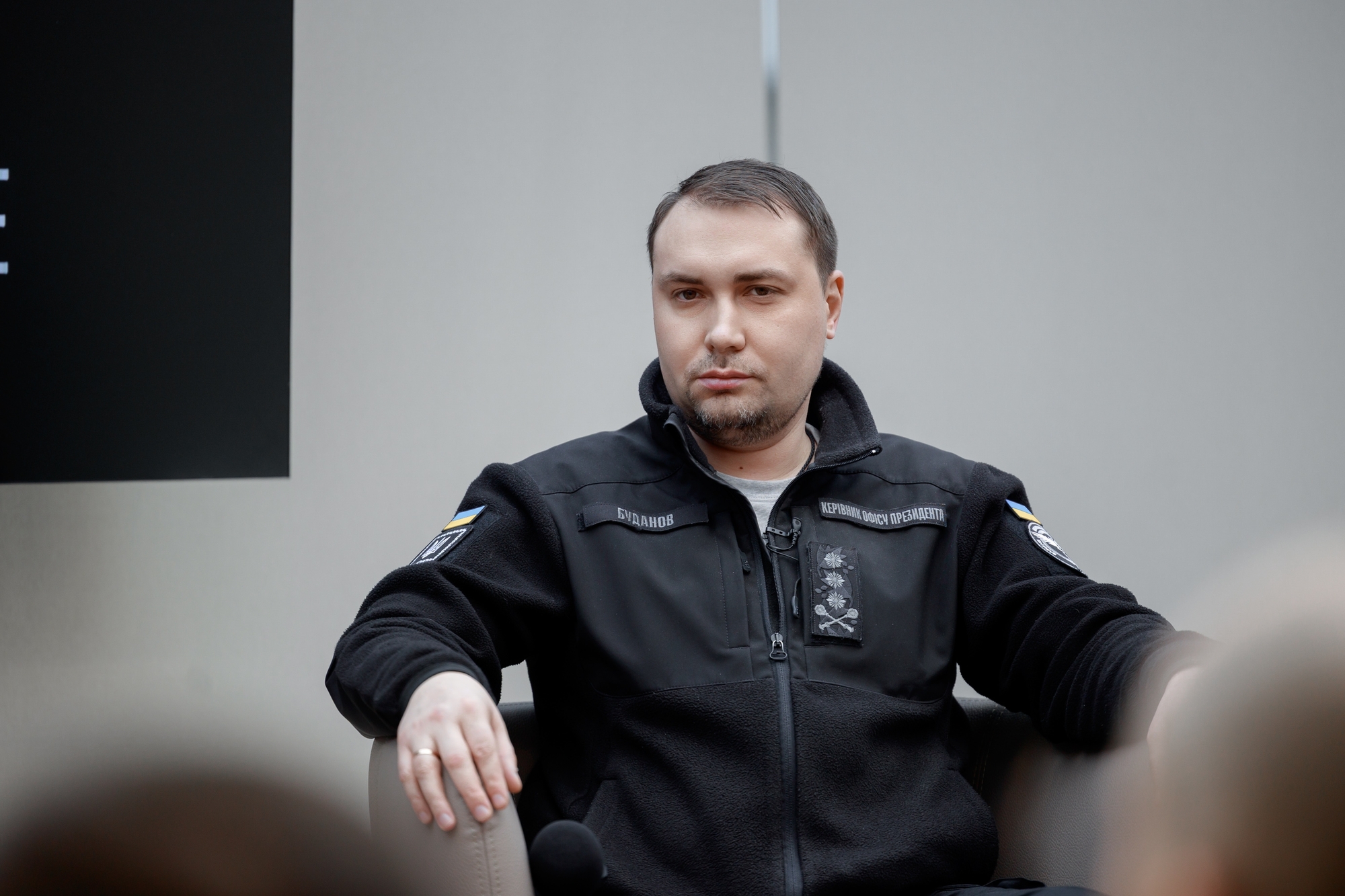
On April 4, 2026, Bloomberg published an extensive article about Kyrylo Budanov — the new head of the Presidential Office and Ukraine's chief negotiator. According to the agency, he is "sharp, straightforward and somewhat sarcastic" in negotiations — and these very qualities, according to sources, have made him a more effective figure than his predecessor Andriy Yermak.
Two channels — one president
While still heading the GUR, Budanov maintained unofficial contacts with Trump's special envoy Keith Kellogg and Vice President JD Vance's team — parallel to Yermak's official communications. According to Ukrainian Pravda citing sources, Yermak attempted to block these contacts — both directly and through the president.
But it was Budanov who systematically informed Zelenskyy how American partners actually viewed Yermak: they assessed his negotiating style and doubted his ability to do such work. This parallel channel proved decisive — after the corruption scandal in the "Midas" case and the NABU raids in November 2025, Yermak resigned.
A pragmatist amid the ruins of "victory plans"
The negotiating team, formed on January 23, 2026, consists almost entirely of "old" players — only Kyrylo Budanov's close associates David Arakhamia and GUR Deputy Chief Vadym Skibytskyi were added to the Yermak delegation. The Economist in February 2026 documented a split: Budanov's faction advocates for a quick deal under US auspices, Yermak's faction — significantly less optimistic about concessions.
"They all understand that the war must end. That is why they are conducting negotiations. I do not think it will take much time."
Kyrylo Budanov — Bloomberg, April 4, 2026
At the same time, Budanov acknowledged: both sides still adhere to "maximalist" positions. He formulated the stimulus for Russia in pragmatic terms: "Unlike us, they are spending their own money." No specific mechanism for bringing positions closer was mentioned in the public part of the interview.
What Moscow is saying
Bloomberg sources close to the Kremlin assess the situation differently: there is almost no real progress, negotiations have reached a stalemate primarily due to security guarantees for Kyiv. According to them, the only outcome of this year's negotiations is that the sides have outlined positions that are unacceptable to each other. A settlement, in their view, requires a coordinated position between the US and Europe — which does not yet exist.
Next step: Witkoff and Kushner in Kyiv
Budanov announced to Bloomberg that shortly after Easter, a visit by an American delegation led by Special Representative Steve Witkoff and Jared Kushner is expected in Kyiv — this will be their first trip to Ukraine. The delegation may include Senator Lindsey Graham. Previously, Witkoff and Kushner visited Moscow several times to negotiate with Putin.
If after this visit the American side does not record a noticeable convergence of positions — an open question remains whether the Trump administration will keep Ukraine as a priority on the peace track, or switch to bilateral deals with Moscow without Kyiv at the table.



