Budanov on possible summit between Zelensky, Trump and Putin: Russia has not yet agreed — what it means for Ukraine
Head of the Presidential Office explains why a tripartite meeting remains necessary, but whether it will take place depends on Moscow's positions and concrete security guarantees.

By Tetiana Suchkova-Ladik
March 1, 2026 · 2 min read
In brief
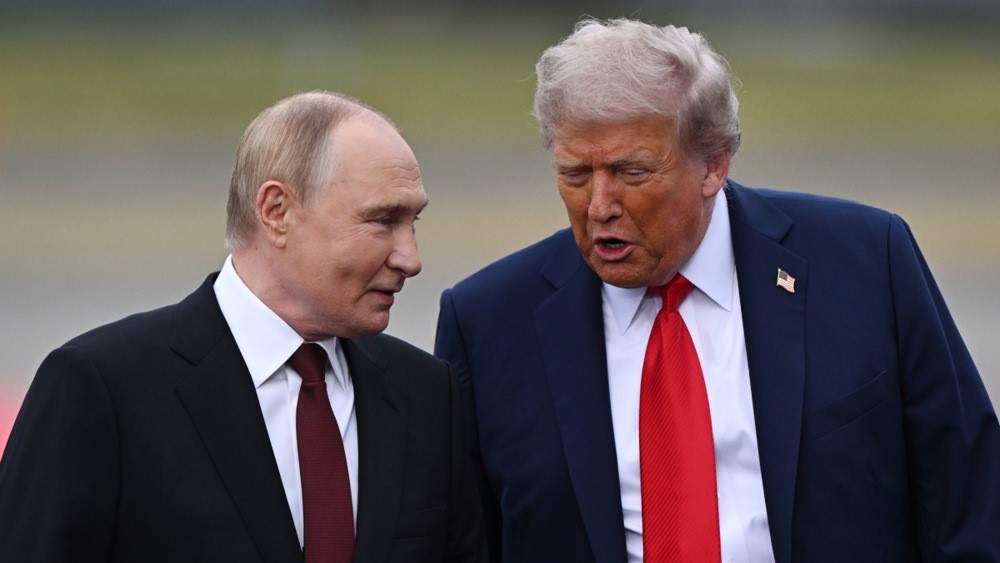
Head of the President's Office Kyrylo Budanov confirmed in an interview with Ukrainian TV channels that discussions of a summit of the leaders of Ukraine, the US and Russia were on the negotiating table, but Moscow, as of now, did not agree. At the same time, the official does not rule out that the situation may change.
"Possible — that doesn't mean it [the summit] will happen"
— Kyrylo Budanov, head of the President's Office
Why it matters
A trilateral meeting is not an end in itself. For Ukraine it is a chance to set out clear ceasefire mechanisms, security guarantees and a recovery roadmap. At the same time, there is a risk of legitimizing Russian aggression without strict conditions and oversight by international partners.
What is known about timing and positions
The US special envoy made a remark on 19 February about the possibility of a summit within three weeks; after a phone call on 26 February, Zelensky said that the US supports such talks, and the UAE was named as a possible venue in early March. Budanov stressed that this is the current status: opinions are changing quickly.
"But this is as of now. Everybody's views are changing quite quickly these days... We will all be looking for ways for this to happen"
— Kyrylo Budanov, head of the President's Office
Consequences and scenarios
If Moscow agrees — the key question for Ukraine will be not so much the format as the substance: what the timelines will be, verification mechanisms and guarantors of the agreements' implementation. If it refuses — the strategy remains continued international pressure and strengthening defensive positions.
Analysts note: the summit could become a tool to achieve peace, but only with transparent guarantees and the participation of reliable partners in overseeing implementation of the agreements.
Conclusion
Today the key issue is not the headline of a summit, but whether diplomatic signals will be turned into concrete guarantees for Ukraine's security. Whether our partners can provide such conditions — the real benefit of future talks will depend on that.
"We will not back away from it"
— Kyrylo Budanov, head of the President's Office



