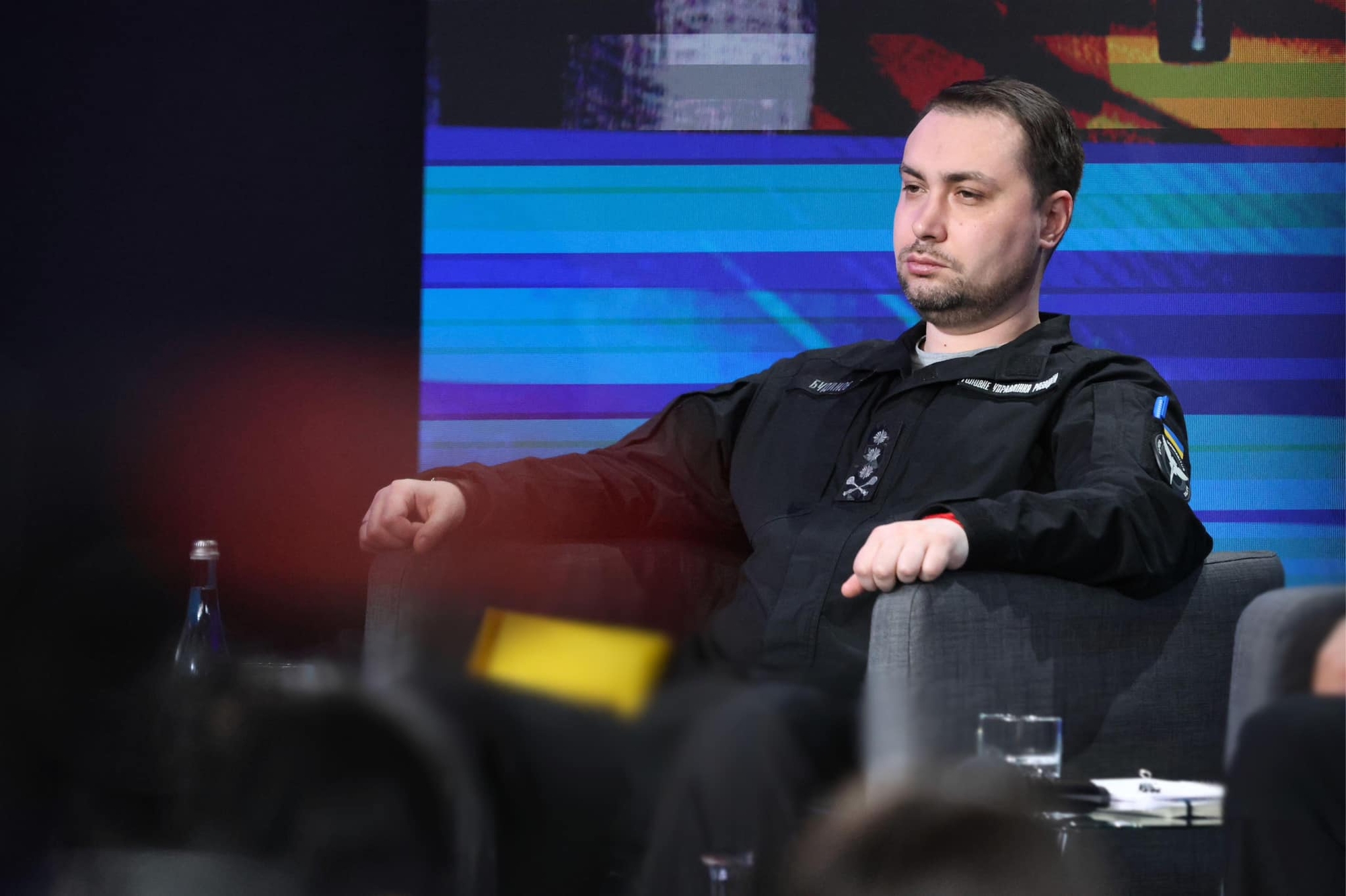
Budanov in Davos: "Cautious optimism" — when peace can become a reality and who it depends on
The head of the Presidential Office said at an economic forum that Ukraine is moving toward a decisive end to the war, but success depends on the Kremlin and on the consistent support of partners. We explain why this matters now.

By Tetiana Suchkova-Ladik
January 20, 2026 · 2 min read
Briefly — the main points
At the World Economic Forum in Davos, head of the Office of the President Kyrylo Budanov expressed cautious optimism about the possibility of ending Russia's war against Ukraine. This is not a promise of instant peace, but a signal that diplomatic, military, and technical efforts are creating the preconditions for a decisive resolution.
"I want to hope that we are still on the path to a decisive resolution of our war... We are moving."
— Kyrylo Budanov, head of the Office of the President
Why this matters
The term 'cautious optimism' works as a proxy for two messages at once: Kyiv is demonstrating readiness for a constructive approach, but emphasizes that any decision will depend on external factors. First, on sustained support from the US and allies; second, on the Kremlin's position — which often determines whether talks will be real or a sham.
Context of events
Events in Davos also add weight to Budanov's words: on January 18 it was reported that Ukraine and the US had agreed to continue talks at the forum, and on January 20, after a four-year boycott, Russia's special envoy arrived at the forum. This creates a new diplomatic space where both risks and windows of opportunity are possible.
- January 18 — report of an agreement between Ukraine and the US to continue talks in Davos.
- January 20 — arrival of Russia's special envoy at the forum after a four-year boycott.
What this means for Ukraine and for the reader
If the diplomatic process is backed by real changes on the battlefield and technological support from partners, the likelihood of a decisive resolution increases. For Ukrainians, this means that security, economic reconstruction, and the return of territory remain key priorities and require synchronized work by the authorities and the international community.
"We know who we're dealing with. Cautious optimism — that's the word that best describes the situation."
— Kyrylo Budanov, head of the Office of the President
In the short term, everything depends on the Kremlin's reactions and the pace of support from international partners. Whether they will turn cautious optimism into concrete steps is a question that remains unanswered, but one on which the country's security and economic recovery will depend.



