Budapest Without Orban: Why Kyiv and Hungary Are Opening Doors to Each Other Right Now
The first full-fledged Ukrainian-Hungarian consultations in years have begun not as a result of diplomatic progress, but due to the change of power in Budapest — and the unblocking of European integration depends on whether the new Foreign Ministry's promises will be fulfilled.

By Tetiana Suchkova-Ladik
May 20, 2026 · 2 min read
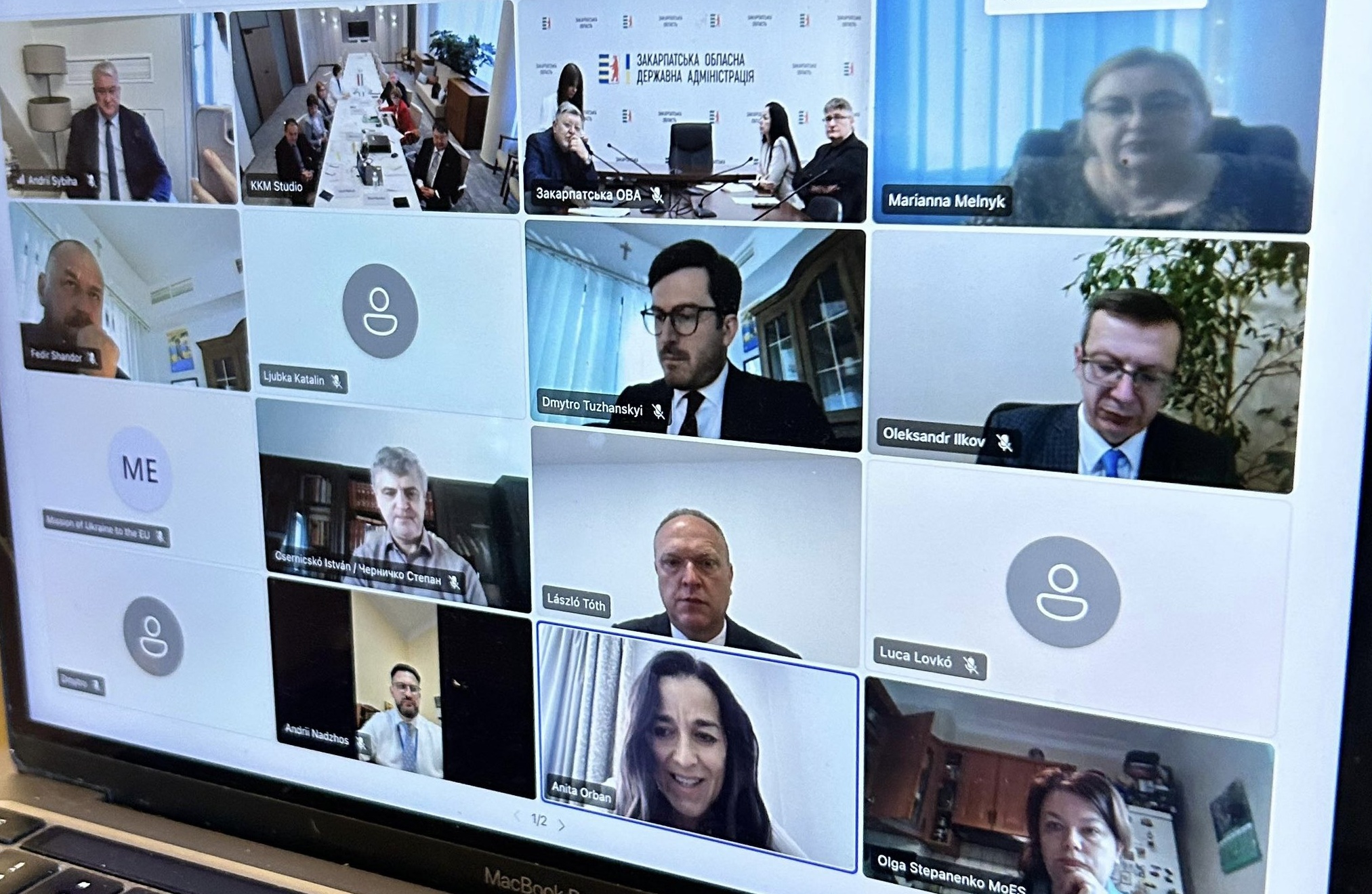
On May 20, Ukraine and Hungary held the first round of consultations at the expert level — online, but with opening remarks from both foreign ministers. For those who have followed bilateral relations in recent years, the fact of the conversation itself is news.
What Changed in Budapest
The key change is not in Kyiv. Anita Orban (no family relations to the former prime minister) took over Hungary's Foreign Ministry following Viktor Orban's election defeat. According to RBC-Ukraine citing Bloomberg, Peter Madar's new government promised to stop blocking EU decisions for political pressure — and return Hungary's access to tens of billions of euros in frozen EU funding.
This very blockade cost Ukraine months in the queue for European integration. As "European Pravda" explains, the path to the EU stalled due to Hungary's refusal to approve a joint negotiating position — a document requiring unanimous support from all 27 members. Ukraine completed screenings by the end of 2025, but no clusters have been opened yet.
Three Questions from Sybiga — and One Hidden
According to Andrii Sybiga, in his opening remarks he focused on three topics: bilateral relations, national minority rights, and Ukraine's accession to the EU. Alongside him at the consultations is Vice Prime Minister for European Integration Taras Kachka, emphasizing that for Kyiv this conversation is primarily about membership, not just Transcarpathia.
"We are united by our will to solve problems and overcome challenges"
Andrii Sybiga, Minister of Foreign Affairs of Ukraine, May 20
The rights of the Hungarian minority is not simply a humanitarian issue. New Prime Minister Madar has effectively endorsed a list of 11 demands that Orban's government passed to Kyiv back in 2024: a significant portion concerns language rights and education in Hungarian. Without progress on this track, the new Budapest is unlikely to lift its block on the EU negotiating position.
Next Step — Already May 21
Sybiga announced a personal meeting with Anita Orban at the NATO ministerial level in Sweden. The format is significant: the first bilateral meeting will take place not in Kyiv or Budapest, but on the neutral ground of the Alliance — a signal of cautious but real warming.
- Block on the EU negotiating position — still not formally lifted
- Budapest's 11 demands on minorities — the new government has not withdrawn them
- Frozen EU funds for Hungary — Madar's main incentive for reaching agreement with Brussels and Kyiv
If Budapest truly lifts its veto on the negotiating position by the end of Poland's EU presidency (June 2025), Ukraine will be able to formally open the first clusters of accession negotiations. If not — it will become clear that the new Hungarian government is negotiating just as harshly as the old one, simply with a different price on the issue.



