Butusov: 'busification' can be overcome through corps and brigades — what will change in mobilization
Systematic work that isn't always visible in the news but is felt at the front: why transferring mobilization under the control of military units could reduce fragmentation, conserve resources, and restore citizens' trust.

By Tetiana Suchkova-Ladik
March 10, 2026 · 3 min read
Key point
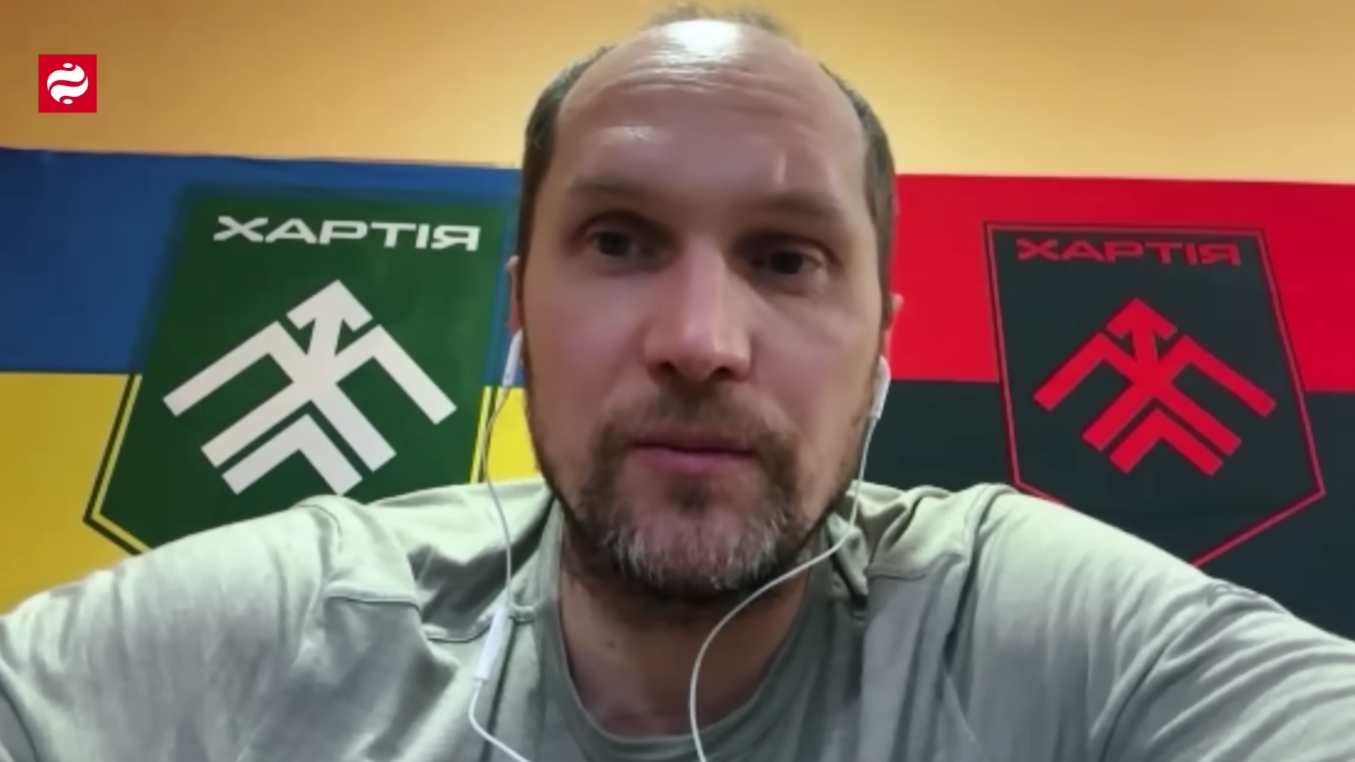
Yuriy Butusov, a serviceman of the National Guard of Ukraine brigade "Khartiya" and a military journalist, in an interview with LIGA.net proposed shifting the focus of mobilization from territorial staffing centers (TSCs) to corps and brigades. This is not rhetoric, but a pragmatic response to a systemic problem that is currently costing people and time.
What Butusov proposes
The idea is simple: planned replenishment should be carried out through the units that are directly interested in quality staffing — corps, brigades, training units. They should have links to the local community, access to the relevant databases and bear personal responsibility for the results, rather than passing "fragments" of the process between agencies.
"You shouldn't look for people on the streets, you should turn to people at their place of work, at their place of residence — and not come to grab them on the spot. You need to talk with people, find out all the circumstances locally, not later"
— Yuriy Butusov, serviceman of the NGU brigade "Khartiya" and military journalist
Key elements of the proposal are unified reporting at the level of a company or battalion commander, access for military units to databases for full accounting, and a targeted information campaign conducted by deployed representatives of the units.
"A full accounting across all databases is needed"
— Yuriy Butusov, same statement
Why this matters for the country and for you
The current model creates fragmentation of responsibility: TSCs report plan fulfillment, but some conscripts turn out to be unfit or have legal grounds for deferment. This creates additional strain on training centers, leads to the loss of human resources and an increase in unauthorized absences from service. For citizens this is a risk of unfounded violations of rights or, conversely, a feeling that their needs are not being heard.
This issue takes on particular weight against assessments of the situation at the front: in the same interview Butusov warned of a possible escalation of combat activity by the Russian Federation (RF) in the near future — therefore, time for reorganization and improving the quality of mobilization is limited.
Practical steps for implementation
- Agree on the legislative and procedural grounds for granting units access to the databases needed for full accounting.
- Establish a clear line of responsibility: reporting should be at the level of the company/battalion commander, not dispersed among agencies.
- Ensure the preparation and personnel capacity of units to conduct information campaigns and community work — this will reduce resistance and the number of conflicts during conscription.
- Implement mechanisms for human rights oversight and transparency so that the coercive aspect of mobilization does not turn into violations of citizens' guarantees.
Risks and obstacles
Implementation will require coordination between ministries, changes in access to information systems and additional resources for training and logistics. Without this, the change of format risks remaining a declaration: agencies will keep their own plans and reporting, and fragmentation will continue.
Conclusion
Butusov's proposal is not an attempt to oversimplify the problem, but to offer a concrete institutional response to losses in human capital and trust. If the state provides the legal basis, technical integration and personal responsibility of commanders, mobilization can become more effective and humane. And in conditions of potential escalation at the front — this is a matter of operational security, not just bureaucracy.
Source: interview with Yuriy Butusov for LIGA.net.



