Caffa detained in the Baltic Sea: predominantly Russian crew and suspicions of stolen Ukrainian grain
A Swedish operation targeting the sanctioned vessel Caffa has uncovered another link in the "shadow fleet." We unpack what happened, what evidence exists, and why this matters for Ukraine's security and the fight against theft of our grain.

By Tetiana Suchkova-Ladik
March 7, 2026 · 2 min read
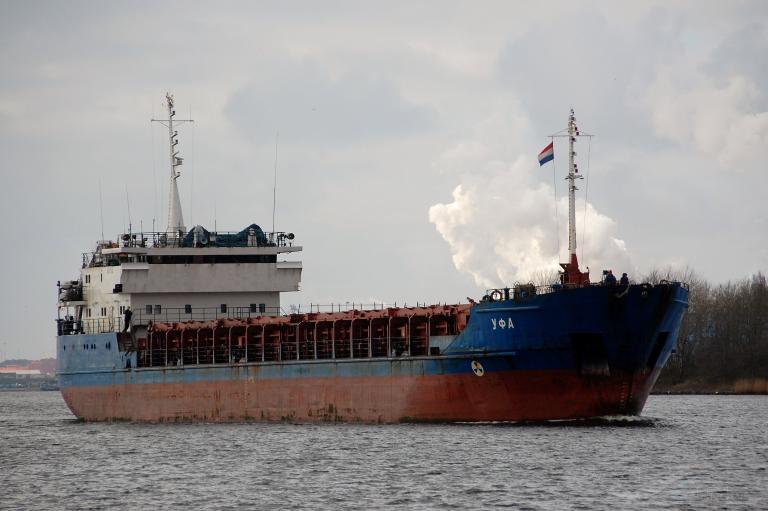
What happened
On March 6 Sweden took control of the vessel Caffa in the Baltic Sea. According to the Swedish police and the newspaper Aftonbladet, 11 crew members were on board, the majority of them Russian citizens. According to law enforcement, the vessel had been monitored for a long time by the coast guard, and the operation to take control included landings from helicopters while the ship was heading into Swedish waters en route to Saint Petersburg, said Johan Andersson, deputy head of the National Operational Department of the police.
Suspicions and official information
Swedish officials do not confirm all details definitively, but according to the deputy head of the operational department of the coast guard, there is evidence that the vessel was sailing under a false flag and is listed on Ukraine’s sanctions list as one that may be carrying Ukrainian grain stolen from Ukraine.
"We established that Caffa was sailing under a false flag. We also have information that this vessel is included on Ukraine's sanctions list, which states that it is transporting grain stolen from Ukraine"
— Daniel Stenling, deputy head of the Operational Department of the Swedish Coast Guard
What the Swedes are already doing
An investigation has been opened into violations of the Maritime Code related to the unseaworthiness of the vessel. One person has already been notified of suspicion; the suspect's citizenship has not yet been disclosed. The operation on board may continue for several days, and the Swedes do not rule out moving the ship to port for further examination.
Why this matters for Ukraine
First, this is a direct story about resources that have economic and strategic significance for the country: mass removals of grain during wartime are not only economic damage but also undermine the state's financial capacity. Second, the Caffa case is further confirmation of the so‑called shadow fleet, which uses false flags and complex routes to circumvent sanctions and transport restrictions.
Analysts and the media, including an investigation by LIGA.net after the January 2026 seizure of the vessel Marinera by the U.S., point to a growing number of such operations and to increased international coordination in detecting and blocking them.
What's next — consequences and forecasts
Likely consequences: strengthened port and waterfront inspections in the Baltic region, more thorough tracking of vessels that have changed flags and routes, and legal procedures to confiscate cargo and vessels if signs of smuggling or sanctions violations are confirmed.
For Ukraine it is important that partners are ready to act at sea — these are not only isolated incidents but part of a broader response to attempts to expropriate our resources. Whether international pressure will be sufficient to systematically stop the "shadow fleet" and return what was stolen is a question that requires active diplomacy and evidentiary work by Ukrainian law enforcement and customs.
Summary
The detention of Caffa is a signal that mechanisms for controlling maritime transportation are being enforced more strictly, but complete success requires coordination: evidence, legal processes, and the political will of partners. Whether this becomes another step toward systematically neutralizing schemes involving stolen grain depends on how swiftly and transparently international institutions and Ukrainian bodies act.



