CAS rejects Heraskevych's appeal — remembrance clashes with Olympic rules
A Ukrainian skeleton racer appealed a disqualification over a "remembrance helmet." Sports arbitration found restrictions on expression in the field of play lawful — we examine why this matters for Ukraine and for athletes' rights.

By Tetiana Suchkova-Ladik
February 13, 2026 · 2 min read
What CAS Decided
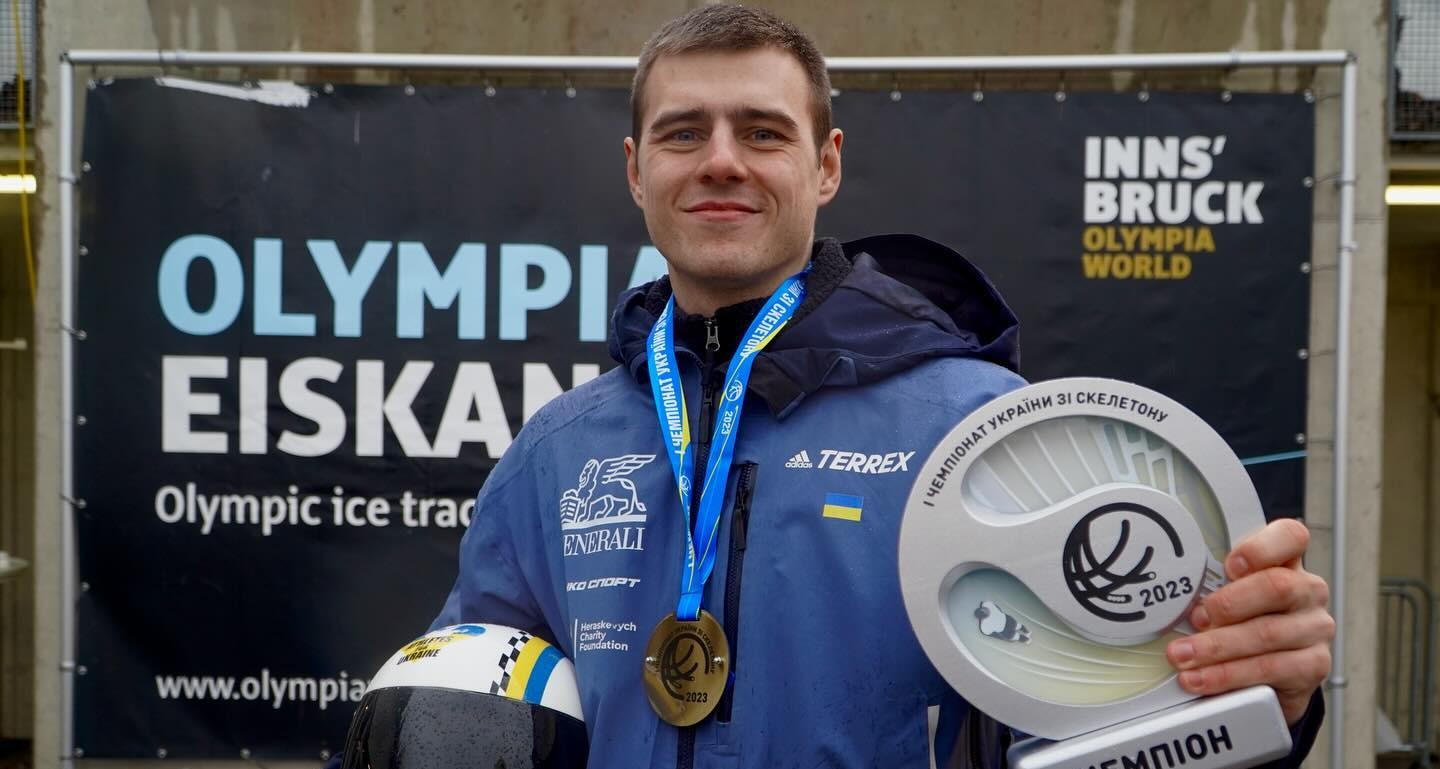
The Court of Arbitration for Sport (CAS) rejected Vladyslav Heraskevych’s appeal against the International Olympic Committee (IOC) and the IBSF. The decision, issued at 17:15 local time (18:15 Kyiv time), upheld the refusal to overturn the disqualification and to restore the athlete’s accreditation.
“We confirm that freedom of expression is allowed at the Olympics, but not in the field of play. The arbitrator heard the arguments of both sides and issued a decision in accordance with the IOC guidelines.”
— Matthew Reed, Secretary General of CAS
Why the Appeal Was Dismissed
In the arbitrator’s ruling it was important to note: freedom of speech is a fundamental right, but its exercise can be restricted on the “field of play”. CAS’s reasoning was based on the principle of proportionality: the restrictions were deemed reasonable and justified because there were alternative venues to honor the memory — mixed zones, press conferences, social media, or wearing the helmet during training runs.
“She fully sympathizes with Mr. Heraskevych’s commemoration and his attempt to draw attention to the grief and devastation suffered by the Ukrainian people and Ukrainian athletes as a result of the war.”
— Text of the CAS decision (sole arbitrator)
Timeline in a Few Sentences
On 9 February Heraskevych reported a ban on using a helmet bearing images of deceased athletes. The NOC of Ukraine appealed to the IOC asking to allow the helmet. On 10 February the IOC allowed only a black armband during competition. On 12 February the athlete was disqualified before the first run; CAS has now dismissed his claim, while noting that the revocation of accreditation was unfair and the accreditation has been reinstated.
What This Means for Ukraine and for Sport
This case goes beyond a single helmet. For Ukrainians the issue is primarily about the right to publicly honor the dead and to preserve the narrative about the aggression that took the lives of compatriots. For international sport it is about the limits of politics and memory in the sporting arena.
The CAS ruling confirms the authority of the IOC guidelines and signals: if the aim is to draw attention to a tragedy, it can be done, but not during the immediate performance. This creates a task for the NOC of Ukraine, civic organizations and international partners — to push for clearer separation between the right to commemorate and the rules of competition so that such conflicts do not recur.
Summary
The CAS decision preserves a balance between freedom of expression and regulation of the “field of play,” but it does not remove the political weight of this incident. The question now is whether Ukrainian institutions can turn symbolic resistance into a lasting practice of commemoration — outside the competition arena, but not without resonance.
“The court heard the arguments and examined the Guidelines on the Expression of Views by Athletes... the restrictions are reasonable and proportionate, taking into account other opportunities to draw attention.”
— CAS decision



