CBS: Shortage of interceptor missiles in the Persian Gulf — and why it matters for Ukraine
CBS reports a shortage of interceptors in the Gulf countries — this is not just a regional problem. For Ukraine, the risks are tied to the diversion of scarce munitions and a worsening competition for air-defense supplies.

By Tetiana Suchkova-Ladik
March 11, 2026 · 2 min read
Briefly — what happened and why it matters
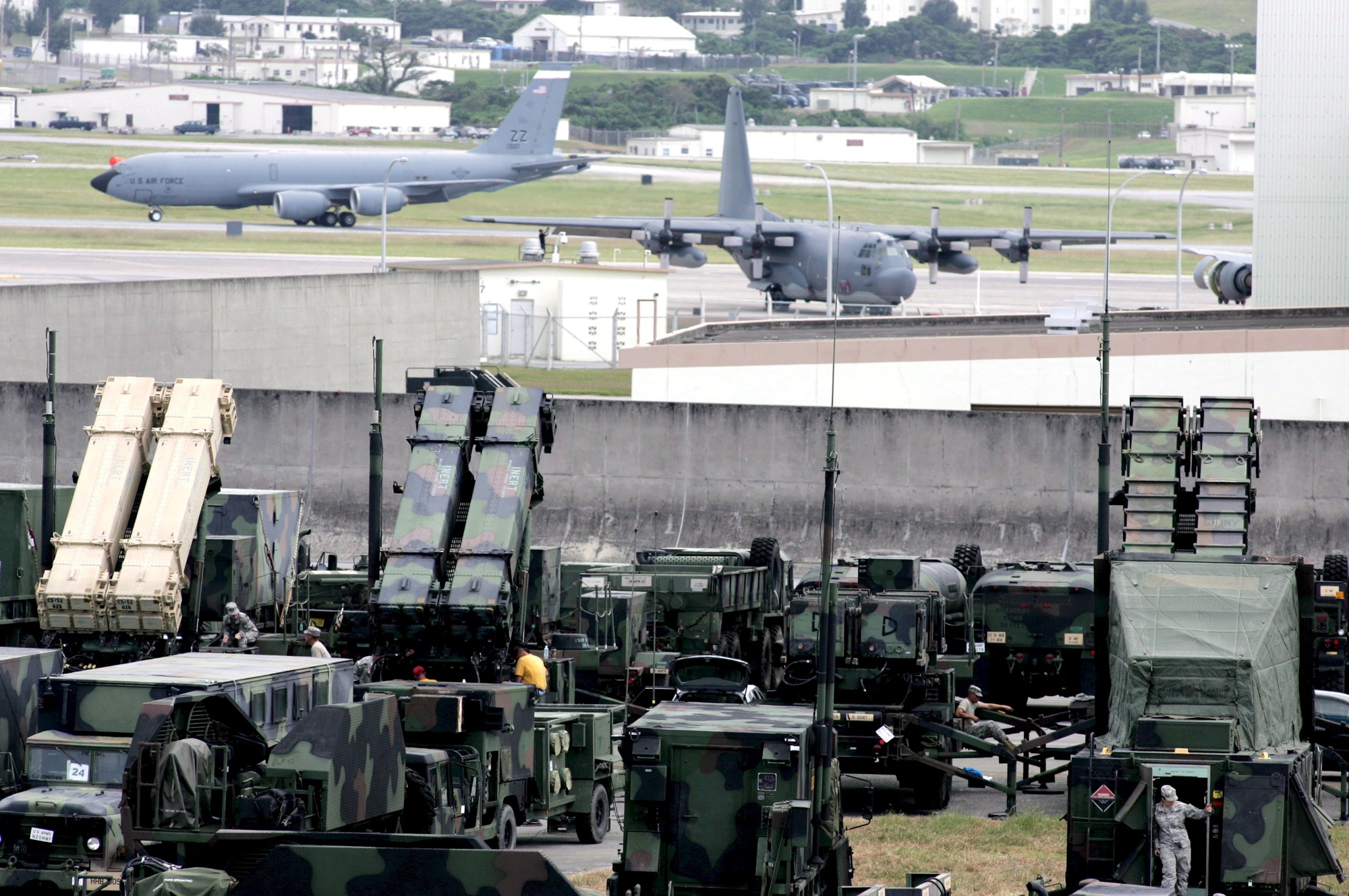
According to CBS News, governments of Persian Gulf countries told the United States they are running low on interceptors for air-defense systems and asked to accelerate deliveries. Washington is already looking into the issue, but the pace of shipments does not meet the urgent needs of the region.
Why this matters for Ukraine: in the event of escalation, Washington and its allies could redirect limited stocks of interceptors to the Middle East, increasing competition for the same types of munitions that our defense requires.
How the U.S. is responding
According to CBS, the Pentagon is setting up a task force to coordinate deliveries. Asked about the US readiness to assist regional allies, the Pentagon chief replied:
"Very ready — we're planning it"
— Pete Hegset, head of the Pentagon
At the same time, the statement emphasized that U.S. forces remain the priority: replenishment of stocks for partners can occur through transfers, but only after the needs of American units and bases are met.
Regional data — scale of munition use
Official reports from Gulf states record hundreds of intercepted targets since the start of the conflict: according to the UAE Ministry of Defense — at least 262 ballistic missiles detected, 241 neutralized; Bahrain's Ministry of Defense reports intercepting more than 100 missiles and about 177 UAVs. Kuwait and Qatar also regularly report dozens or hundreds of interceptions in the first days of the escalation.
These figures mean intensive use of interceptors: as President Zelensky noted, several days of Iranian attacks could have used "around 800+" Patriot interceptors — more than Ukraine needs for several months. The President's Office stated that over the course of the full-scale war the country has received about 600 Patriot missiles from partners.
What this means in practice
The risks are simple but significant. First, an interceptor shortage in the Gulf creates political and logistical pressure on the U.S. and partners — decisions on supply priorities will be made with regard to the security of their own bases and regional alliances. Second, for Ukraine this means increased competition for limited air-defense resources and the need to seek alternatives: from diplomatic pressure on partners to diversifying sources of supply and developing its own air-defense capabilities.
Analysts note that the situation underscores one of the key lessons of war — ammunition and logistics matter more than striking statements. For Kyiv, this is an argument for systematic diplomacy and accelerating agreements that turn declarations into concrete deliveries.
Conclusion
While American and regional officials coordinate responses, Ukraine should work on several tracks simultaneously: intensify diplomatic requests, diversify suppliers, and increase its own air-defense resilience. This is not a dramatic plot — these are the realities of modern war logistics, where "who gets interceptors today" determines the level of security tomorrow.



