CBS: Trump Pledged to Back Israeli Strikes on Iran’s Missile Program — What It Means for the Middle East
CBS and Reuters report that during a meeting with Netanyahu, Donald Trump said he is prepared to support an Israeli operation if talks with Iran fail. We explain which options the Pentagon is considering, what technical and diplomatic obstacles stand in the way, and why this matters for regional security.

By Tetiana Suchkova-Ladik
February 16, 2026 · 2 min read
What it's about
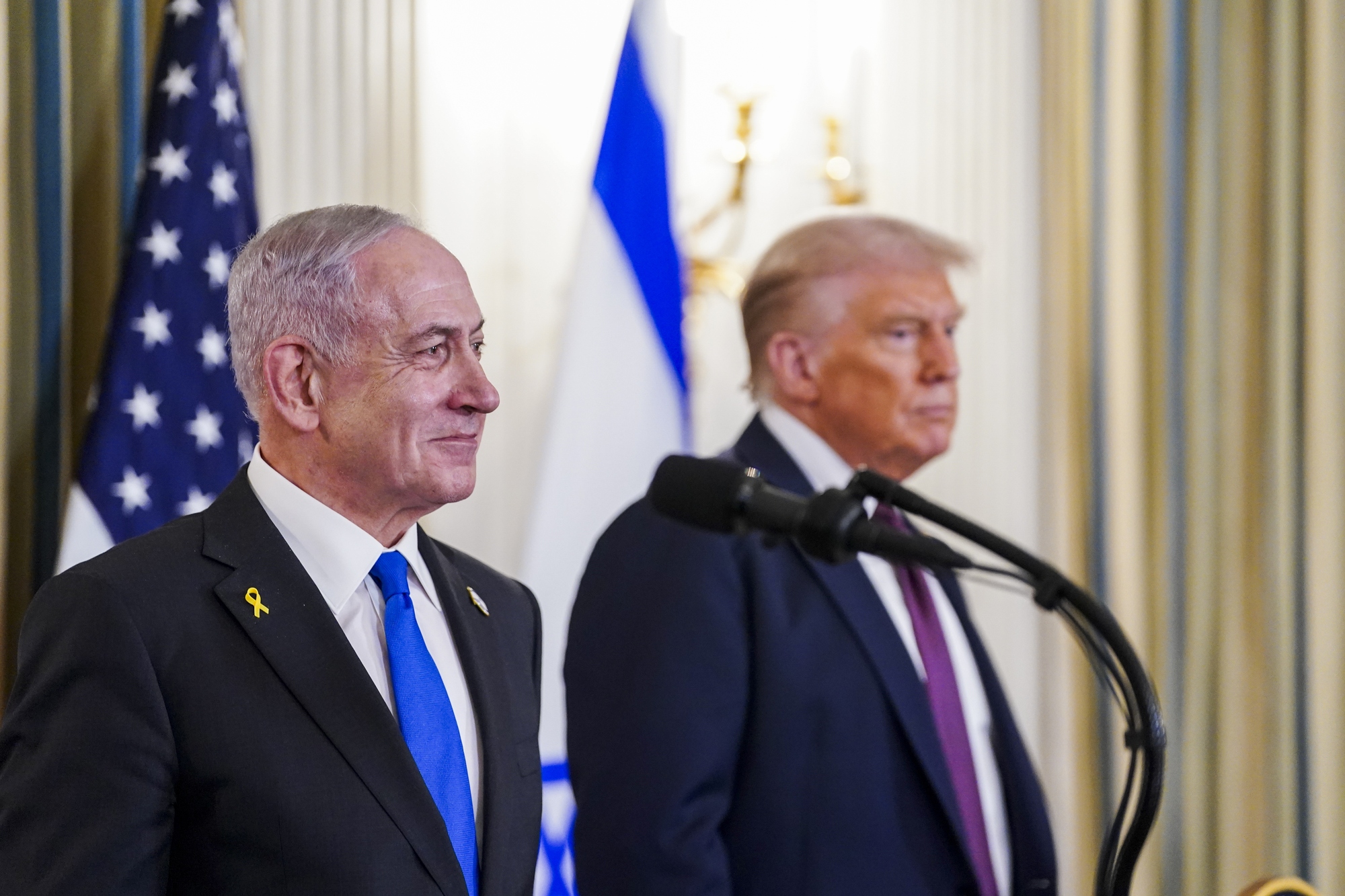
According to CBS News, U.S. President Donald Trump during a December meeting with Israeli Prime Minister Benjamin Netanyahu said he would back Israeli strikes on Iran’s ballistic missile program if no agreement is reached between Washington and Tehran. The information is based on accounts from several unnamed sources familiar with the matter.
"If an agreement between Washington and Tehran cannot be reached, I will support Israel's strikes on Iran's missile program"
— CBS News (citing unnamed officials)
What the Pentagon is discussing
U.S. military and intelligence are holding internal consultations on possible forms of support: from aerial refueling for Israeli aircraft to arranging flight routes through the airspace of third countries. At the same time, a number of states — Jordan, Saudi Arabia and the UAE — have publicly said they will not allow the use of their skies for strikes on Iran.
In parallel, the U.S. military presence in the region is being reinforced: reports mention the deployment of the aircraft carrier USS Gerald R. Ford to the Middle East. According to sources and Reuters, U.S. forces are also preparing for scenarios that could require prolonged operations lasting weeks.
Why it matters
There are four key reasons why a U.S. decision would have wider effects:
- Deterrence and reinforcing allies. U.S. support could provide Israel with operational capabilities and political cover for complex strikes.
- Diplomatic pressure on negotiations. Such a U.S. stance shifts the balance of leverage in Geneva, where another round of talks with Iran is planned.
- Logistics and regional constraints. Without permission for overflight or logistical support, an operation would become significantly more difficult and risky.
- Risks of escalation. Even limited strikes could provoke a response from Iran or proxy forces in the region, leading to broader hostilities.
What sources and experts say
The reporting is based on material from CBS News and Reuters, as well as comments from U.S. officials. Analysts note that readiness to provide military support often has a dual effect — it can deter but also accelerate the slide toward real confrontations if diplomacy fails.
Brief conclusion — what’s next
The decision to directly support Israeli strikes will depend on three variables: the outcome of talks in Geneva, the willingness of regional states to provide logistical corridors, and the final political decision in Washington. For the international community, the key question for now is whether diplomacy can neutralize the risks created by the combination of tough rhetoric and an increased military presence.
So far there is a mix of verbal backing and practical discussions, but the ultimate choice — between strikes and a deal — has not yet been made. Whether the show of resolve turns into an actual operation will depend on whether the technical and political means to implement it can be found.



