2026 World Cup threatened by boycott: how Trump's threats over Mexico are changing the rules of the game
Following statements about possible U.S. military operations on Mexican territory, the international community has begun talking about boycotting the joint 2026 championship. We examine why this matters for fans' safety, FIFA's reputation and international diplomacy.

By Tetiana Suchkova-Ladik
January 10, 2026 · 2 min read
Briefly
Donald Trump's statements about possible "land attacks" in Mexico have prompted parts of the public and opinion leaders to call for a boycott of the 2026 FIFA World Cup, which the United States, Canada and Mexico are to host jointly. This conflict is not just about sport: questions of sovereignty, spectator safety and trust in the tournament organiser are at stake.
What exactly did Trump say and why it matters
According to Newsweek and UNN, Trump said the United States is prepared to "attack on land" in Mexico in the fight against drug cartels. For a co-host of the 2026 World Cup such wording is a direct challenge: military actions on a host country's territory undermine not only diplomatic relations but also the ability to guarantee the safety of fans and teams.
"The US could start attacking on land in Mexico"
— Donald Trump, President of the United States (according to Newsweek, UNN)
Reaction from the public and opinion leaders
A number of public figures and activists have already cancelled trips or openly called for a boycott. Among those who cancelled tickets or supported the boycott are diplomats and activists who cited risks related to security and the US's strict immigration policy.
"Because of ICE's actions and the overall US policy, it has become dangerous to visit"
— Mohamad Safa, diplomat, director of Patriotic Vision (according to media reports)
Analysts compare this wave of protests to the situation around the 2022 World Cup in Qatar, but the difference is clear: this time it's about a direct threat to the sovereignty of one of the co-organisers.
FIFA's position and risks for the tournament
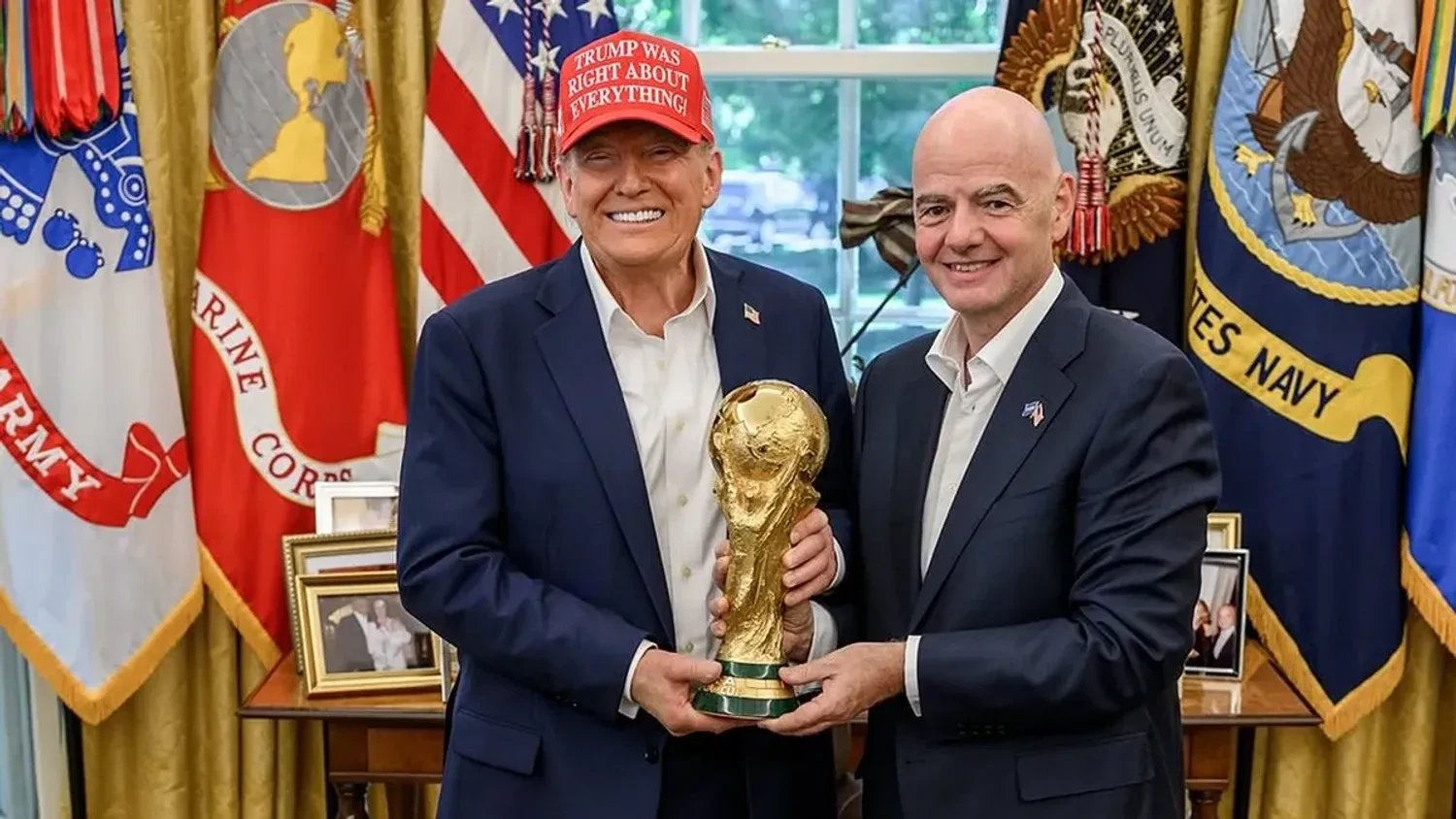
FIFA has come under public pressure: on the one hand the organisation announced an increase in the prize fund and measures to attract fans; on the other, demand is growing for a response regarding the hosts' security and policies. Infantino, according to reports, is showing loyalty to the US administration, which heightens doubts within the fan community about the organisation's neutrality.
What this means for spectators and for Ukraine
First, there's a real risk of travel disruptions and rising security costs. Second, international sporting events have previously served as a platform for diplomatic pressure — today's precedent could affect how a host state protects its guests and participants. For Ukraine this matters: upholding the norms of international law and respect for sovereignty are key elements that build trust between states, including in sporting projects.
Possible scenarios
Experts identify several paths: from localized protests and withdrawals by individual delegations to international pressure on FIFA to reconsider the host status. Each scenario carries financial and reputational consequences for organisers and sponsors.
Conclusion
While attention is focused on the headlines, the consequences of this crisis will be determined by decisions behind closed doors — at FIFA, in diplomatic offices and among sponsors. It's important to watch three markers: Mexico's official position regarding security on its territory, FIFA's response to statements about military operations, and the scale of withdrawals from participation. This will determine whether the 2026 World Cup remains a sporting event that unites, or turns into a geopolitical arena.



