Why an outright ban on Russian in schools could create new lines of division — the Ministry of Education's stance
The deputy minister of education emphasizes: bans rarely unite. Support and gradual Ukrainization are about security and statehood, not repression. We explain why radical measures can work against their objective.

By Tetiana Suchkova-Ladik
February 25, 2026 · 2 min read
Context: language as a matter of security and statehood
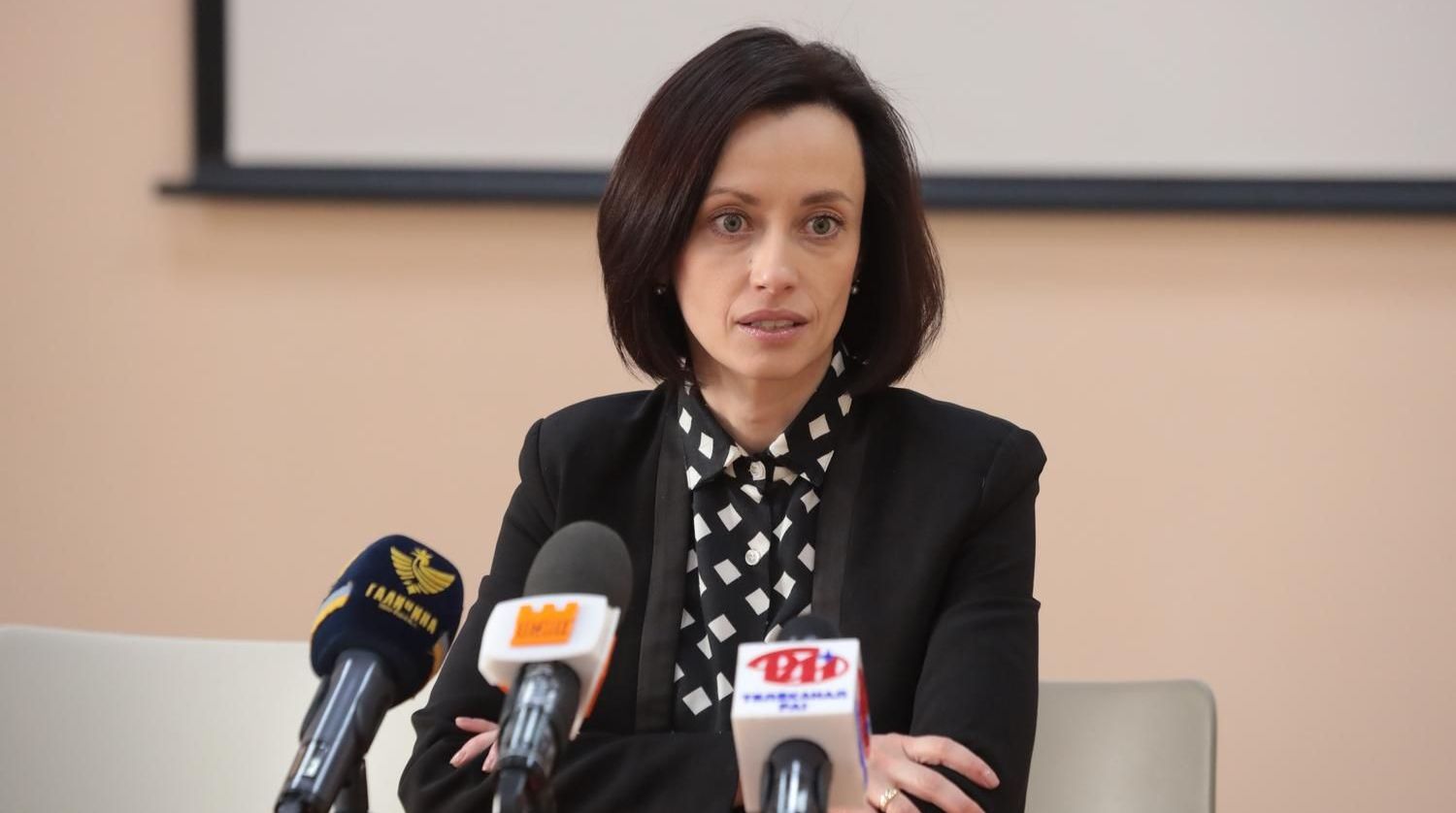
Instead of a total ban on the Russian language in schools, the Ministry of Education proposes a consistent strategy to establish Ukrainian. This is not only a cultural issue — this is a matter of statehood and security, reminds Deputy Minister of Education and Science Nadiya Kuzmychova. What should everyone who cares about the next generation know?
Risks of radical bans
Kuzmychova warns: a total ban can create new lines of division and, in the long term, weaken rather than strengthen the position of the Ukrainian language. Radical decisions often provoke rejection, reinforce similar reactions within families and communities, and complicate children's integration into the educational environment.
"Our task is not to create new lines of division, but to steadily and confidently strengthen the position of Ukrainian as the sole language of education, supporting children in their transition to it"
— Nadiya Kuzmychova, Deputy Minister of Education and Science
Why a gradual approach works better
Language policy based on support and the creation of a comfortable environment has a higher likelihood of sustainable success. This means updated textbooks, professional support for teachers, programs for parents and extracurricular initiatives that make Ukrainian natural and practical for children, rather than an imposed norm.
What experts and international experience say
The expert community and international recommendations on language policy indicate that policies combining educational transformation with social support yield longer-lasting results than bans. This strengthens the state's position without increasing internal tensions.
Minister of Education Oksen Lisovyi also emphasized that part of the problem is adult education: if society does not grasp the cause-and-effect relationships, work with parents and communities should become a priority.
Conclusion — a practical forecast
If the state chooses a strategy of supporting the Ukrainian language through education, resources and communication, the Ukrainization of the school environment will be a sustainable process. If, however, the path of total bans is chosen, the risk of political and social alienation increases — and then the goal will be under threat. A question for leadership and society: do we seek unity through strengthening, or do we risk division through bans?



