CNN: U.S. could agree with Russia that Ukraine will not join NATO without Kyiv's legal renunciation
According to CNN, Washington is considering the option of a separate agreement with Moscow that would effectively block Ukraine’s accession to NATO, but would not require Kyiv to formally renounce that course.

By Tetiana Suchkova-Ladik
December 1, 2025 · 2 min read
Possible "workaround" scenario on NATO
The United States is studying an option for an agreement with Russia that would effectively strip Ukraine of the prospect of NATO membership without requiring a legal formalization of such a renunciation. CNN reports this citing interlocutors familiar with the course of the negotiations.
According to them, one of the most difficult issues in the peace plan remains Russia's demand that Ukraine officially renounce the constitutionally enshrined course toward membership in the Alliance.
Discussions between Kyiv and Washington
CNN sources say that a scenario has been considered between U.S. and Ukrainian negotiators under which Kyiv would in practice be deprived of the possibility of joining NATO. In that case, key agreements would be concluded directly between Alliance member states and Moscow.
"Ukraine will not be pushed to officially, in the legal sense, abandon this aspiration. But if the U.S. has matters to discuss with Russia on a bilateral level, or if Moscow needs guarantees from NATO, that will not mean drawing Ukraine into the decision-making,"
– one of the CNN interlocutors said.
Reaction within NATO and Ukraine's position
According to the source, such an option could prove unpopular among some NATO member states. No final decision on the matter has yet been made. It is reported that the final word should belong to Ukrainian President Volodymyr Zelensky, although the interlocutor did not provide details of this role.
He characterized the possible arrangements as a "creative solution" that would allow bypassing Kyiv's "red lines" regarding NATO.
Context: talks in Florida
On November 30, a meeting between Ukrainian and American delegations on the peace plan took place in Florida. An Axios interlocutor said that the U.S. seeks to resolve disagreements on territorial issues and security guarantees.
A WSJ source added that the parties are to discuss the timetable for elections in Ukraine, a possible "exchange of territories" and other sensitive points.
Statements after the talks
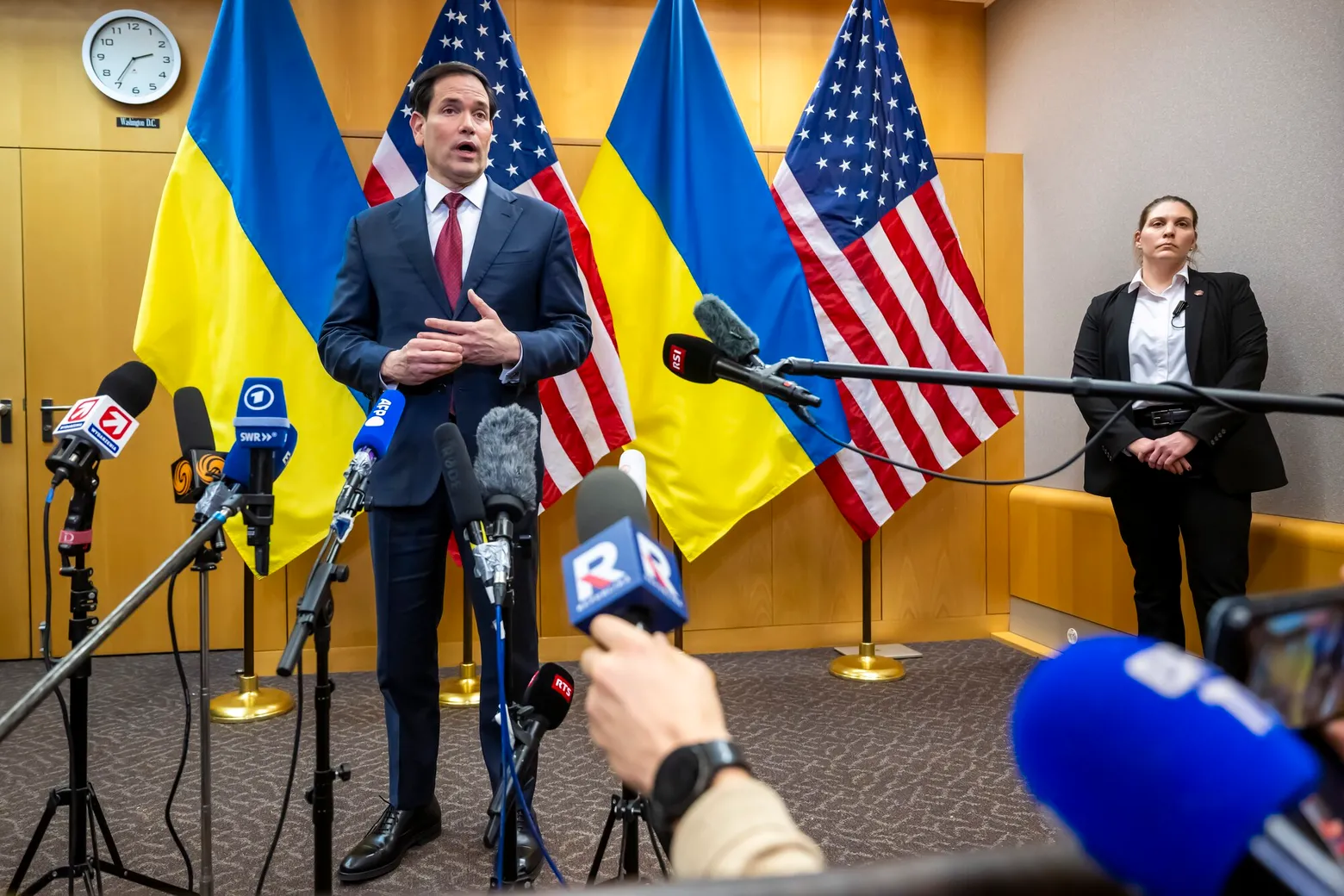
Secretary of the National Security and Defense Council Rustem Umerov said after the meeting that the U.S. shares Ukraine's key goals. State Secretary Marco Rubio noted that the negotiations were not final, but acknowledged progress in the dialogue.



