Strait of Hormuz deadline expires Tuesday: Iran rejects ceasefire, Trump threatens power plants
# Tehran Rejects 45-Day Ceasefire Proposal, Demands Permanent Security Guarantees — Brent Crude Trading at $109 as Diesel Prices in Ukraine Surge 34% Tehran has rejected a proposed 45-day ceasefire, insisting on permanent security guarantees instead. Meanwhile, Brent crude oil is trading at $109 per barrel, with diesel prices in Ukraine surging 34%.

By Tetiana Suchkova-Ladik
April 6, 2026 · 3 min read
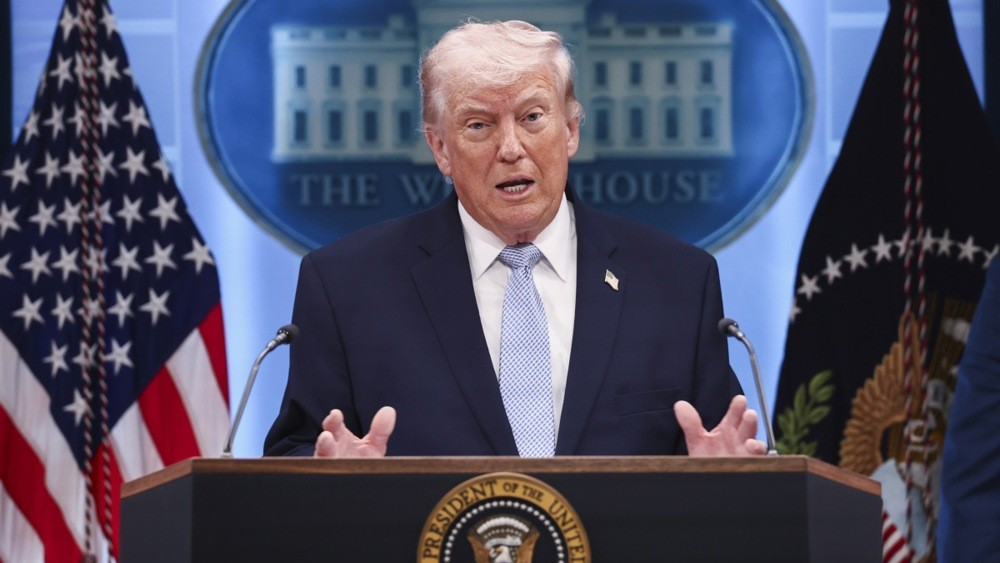
US President Donald Trump has set another deadline for Iran: open the Strait of Hormuz by Tuesday at 8 p.m. Washington time, or face strikes on power plants and bridges. This is not the first ultimatum — the previous 10-day deadline expires Monday, and Trump has de facto extended it by one day.
What's at stake and for whom
The Strait of Hormuz has been effectively closed since late February 2026 — following the start of a joint US-Israeli military air operation against Iran. In peacetime, approximately 20% of global oil exports and a fifth of global LNG supplies pass through it. There are virtually no alternative routes for gas.
According to Euronews, Brent oil prices have risen approximately 50% since the start of the conflict — to $109 per barrel in early Monday trading. JPMorgan warns of the risk of further increases to $150. Bloomberg analysts characterize the crisis as the largest energy shock since the 1970s.
Ukraine has found itself in the top ten countries by diesel price increases: diesel fuel prices have risen by 33.9%. The Cabinet of Ministers has launched the "National Cashback" program — 15% compensation for diesel, up to 1,000 hryvnia per person per month.
What exactly did Trump promise
"Tuesday will be Power Plant Day and Bridge Day — all in one, in Iran. Open the strait, or you'll live in hell — JUST WATCH!"
Donald Trump, Truth Social
In an interview with Axios, Trump said the US is "conducting deep negotiations" and there is "a good chance" of a deal by Tuesday. At the same time, he added: "If they don't make a deal and fast — I'll blow everything up there". Senator Lindsey Graham publicly confirmed that Trump is serious.
Tehran's position
On Monday, Iran officially rejected a proposal for a 45-day ceasefire that was transmitted through Egypt, Pakistan, and Turkey. The head of Iran's diplomatic mission in Cairo, Mojtaba Ferdousi Pour, told AP: "We only agree to an end to the war with guarantees that we won't be attacked again".
Iran's Foreign Ministry spokesman Ismail Baghaei characterized Washington's approach this way: "Negotiations are completely incompatible with ultimatums, crimes, and threats of war crimes". Israel, meanwhile, struck a petrochemical plant at the South Pars field.
The mediators — Egypt, Pakistan, Turkey — report that negotiations have not stopped: "We are still talking to both sides." However, they themselves assess the chances of a partial deal before the deadline as minimal.
Why this is not just rhetoric
Trump has already given orders for strikes during previous rounds of negotiations — this is what Tehran cites, refusing a temporary ceasefire. Former Iranian Foreign Minister Ali Akbar Velayati warned Arab countries: if the US strikes power plants, the entire region will "plunge into darkness."
- G7 stated its readiness to take "any necessary measures" to stabilize energy supplies
- The IEA has already released 400 million barrels of strategic reserves — with no visible effect on prices
- The EU estimates additional costs for importing energy carriers at €13 billion
- Saudi Arabia is overloading an alternative oil pipeline to the Red Sea
If by Tuesday's deadline an agreement is not signed with a clear verification mechanism for opening the strait — rather than just a statement of intent — Trump's next step will determine whether the conflict remains regional or transforms into a full-scale humanitarian catastrophe for Iranian cities.



